Science laboratory apparatus for safer and more reliable lab work
This article explains how to view science laboratory apparatus as a connected system of measurement tools, containment controls, sample-handling devices and records.…
Practical laboratory knowledge for instruments, analytical workflows, sample integrity, calibration, and safe operation.
 Sample Preparation
A practical guide to EBSD sample preparation, covering surface requirements, polishing routes, method selection, and troubleshooting. It explains how to reduce deformation, relief, contamination, and charging before EBSD mapping.
 Laboratory Safety
Science laboratory safety signs are part of everyday lab risk communication. They link chemical labels, access warnings, emergency…
 Core Instrumentation
This article explains how to view science laboratory apparatus as a connected system of measurement tools, containment controls,…
Core Instrumentation
This article explains how to view science laboratory apparatus as a connected system of measurement tools, containment controls, sample-handling devices and records.…
 Core Instrumentation
A practical guide to selecting chemical lab equipment by matching hazards, measurements, ventilation, storage, utilities, calibration, and maintenance needs.
 Core Instrumentation
A practical comparison of HPLC and GC chromatography for laboratories choosing methods, instruments, detectors and validation strategies. It explains where each technique…
 Core Instrumentation
A single beam spectrophotometer has a simple one-path layout, but each optical and electronic component affects absorbance accuracy. This guide explains the…
 Core Instrumentation
Autoclave sterilizers are not one-size-fits-all instruments. This guide explains how load type, cycle design, validation needs and records should shape selection.
 Core Instrumentation
Hematology analyzers are central to CBC testing, but reliable results depend on matching instrument capability with workload, verification, QC, and smear review…
 Analytical Methods
Hyphenated analytical techniques combine complementary laboratory methods to improve identification, quantitation and confidence in complex samples. This guide explains common pairings, validation…
 Analytical Methods
This guide groups common analytical chemistry instruments by measurement purpose, from chromatography and spectroscopy to electrochemistry, sample preparation, and validation support.
 Analytical Methods
This workflow-based analytical laboratory equipment list covers sample preparation, weighing, chromatography, spectroscopy, quality control, data handling, and lab safety.
 Analytical Methods
A practical guide to analyzing laboratory case studies without overstating the data. It covers case boundaries, triangulation, validation context, uncertainty and defensible…
 Analytical Methods
A practical guide to analytical balance calibration, including preparation, test sequence, acceptance criteria, documentation, and routine checks.
 Analytical Methods
Choosing analytical lab instruments is more than a purchasing decision. It affects method performance, quality control, data integrity, and whether results can…
 Sample Preparation
A practical guide to EBSD sample preparation, covering surface requirements, polishing routes, method selection, and troubleshooting. It explains how to reduce deformation,…
 Sample Preparation
FFPE sample preparation determines whether preserved tissue can support histology, PCR, sequencing or expression analysis. This guide explains the pre-analytical and laboratory…
 Sample Preparation
qPCR results depend on sample handling, extraction quality, inhibitor control, and the instrument run itself. This article reviews the preparation decisions that…
 Sample Preparation
A practical guide to SAXS sample preparation for proteins, nanoparticles, polymers, powders and films, covering buffer matching, concentration control, aggregation, handling artifacts…
 Sample Preparation
This guide explains how ICP-MS sample preparation choices affect contamination, recovery, matrix effects, and defensible trace metal results across common sample types.
 Sample Preparation
FTIR spectra depend on how the sample is presented to the infrared beam. This guide compares ATR, transmission, KBr pellets, liquids, films,…
Laboratory Safety
Science laboratory safety signs are part of everyday lab risk communication. They link chemical labels, access warnings, emergency equipment markers, PPE requirements,…
 Laboratory Safety
This article explains how laboratories can organize HSE laboratory safety around chemical hygiene, task-level risk assessment, hazard communication, biosafety, waste control and…
 Laboratory Safety
Use these 10 laboratory safety rules as a practical checklist for safer daily lab work. The guide connects routine lab habits with…
 Laboratory Safety
A practical guide to chemistry laboratory safety, covering regulatory expectations, hazard controls, daily work practices, waste handling, training, and audit priorities.
 Laboratory Safety
Laboratory glasses can protect against impact and low-splash tasks, but they are not a universal substitute for splash goggles. This guide explains…
 Laboratory Safety
A practical laboratory safety checklist helps supervisors turn chemical hygiene, PPE, ventilation, waste, training, and emergency readiness into repeatable checks.
 Calibration and Metrology
Fluke metrology usually refers to the Fluke Calibration ecosystem used in electrical, temperature, pressure, process and RF calibration work. This article explains…
 Calibration and Metrology
A practical calibration and metrology guide to science laboratory tools and equipment, covering risk-based checks, records, intervals, and common failure points.
 Calibration and Metrology
A practical guide to metrology lab equipment, covering core instrument categories, traceability, uncertainty, environmental control, calibration intervals, and audit-ready documentation.
 Calibration and Metrology
A practical guide to the Fluke Calibration 9142 Field Metrology Well, including specifications, field applications, model options, limitations, and calibration planning considerations.
 Calibration and Metrology
A practical guide to selecting and using a Fluke metrology well, including model families, uncertainty drivers, calibration workflow, and common dry-block mistakes.
 Calibration and Metrology
Compares how a spectrofluorometer and spectrophotometer work, where each instrument fits, and which calibration and verification checks support reliable data.
 Service and Validation
A practical guide to common laboratory tools and equipment, organized by function, risk, and validation needs for reliable daily lab work.
 Service and Validation
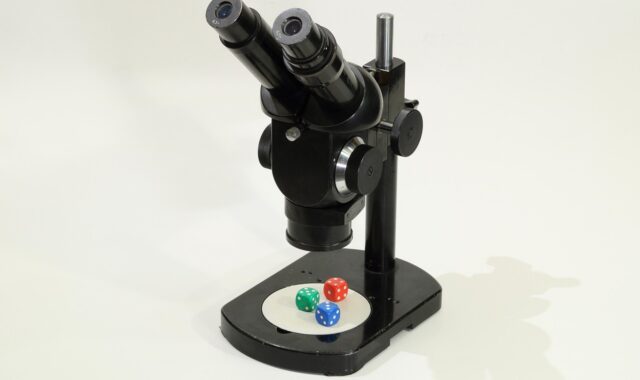
Laboratory instruments and equipment affect data quality, staff safety, compliance, and operating cost. This article explains how laboratories can classify, select, verify,…
 Service and Validation
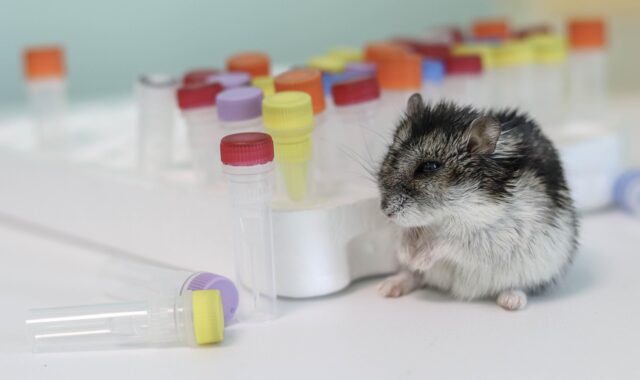
Reliable laboratory results depend on maintained instruments and controlled reagents. This article connects equipment service, chemical control, validation, and documentation in one…
 Service and Validation
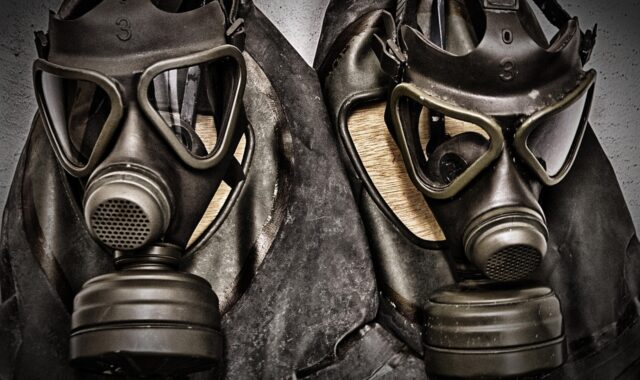
Learn how common laboratory apparatus and equipment are grouped by measurement, preparation, containment, analysis and safety, with practical notes on selection, calibration…
 Service and Validation
Autoclaves and hot air ovens both use heat, but the controlled variables and validation evidence are different. This article explains how to…
 Service and Validation
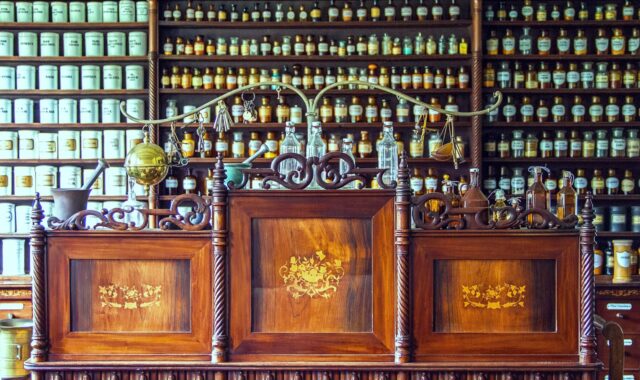
This guide explains how to select, verify, use, clean and store laboratory glassware and apparatus with safety, measurement reliability and practical lab…