Instrument and equipment in laboratory work for reliable results
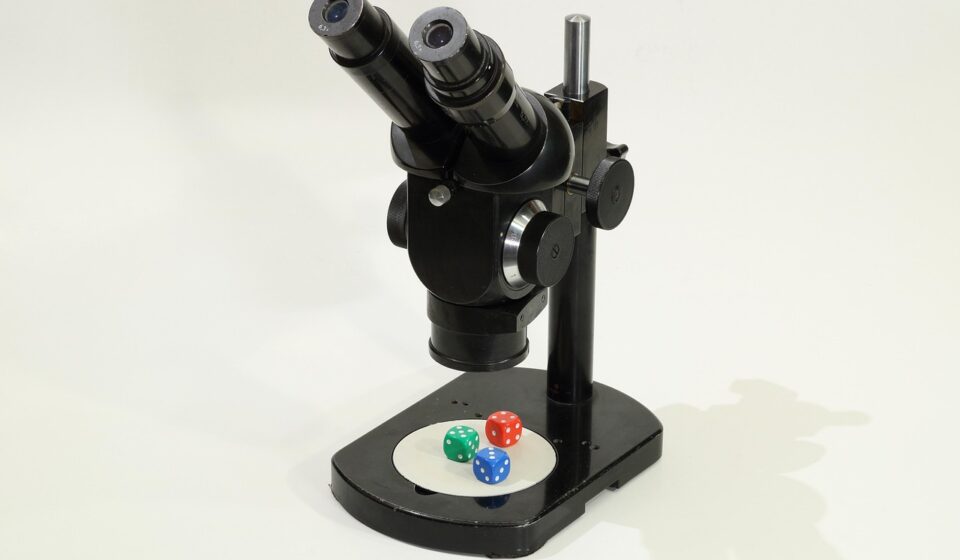
Managing instrument and equipment in laboratory work is part of quality control, safety management, and day-to-day productivity. A balance, centrifuge, incubator, biosafety cabinet, HPLC system, refrigerator, or autoclave can affect results before a sample reaches the final report. Reliable laboratories therefore treat equipment as a controlled system: each item is selected for a defined purpose, installed correctly, qualified or verified before use, maintained on schedule, calibrated when measurement accuracy matters, and supported by complete records. The same principle applies in academic, industrial, clinical, environmental, food, pharmaceutical, and research laboratories, although the exact requirements depend on the method, risk level, and regulatory setting. For related topics, see our service and validation section.
What laboratory equipment management must cover
A laboratory equipment program should answer six practical questions. What is the equipment intended to do? What could go wrong if it performs poorly? How will the laboratory confirm it is suitable before use? What routine checks are needed? What records prove the checks were done? What happens when the equipment is repaired, moved, upgraded, or retired?
This life cycle view is more useful than a simple asset list. Standards and guidance commonly used in laboratories, including ISO/IEC 17025:2017, WHO laboratory quality management guidance, OSHA laboratory safety materials, CDC biosafety guidance, and FDA current good manufacturing practice requirements for regulated drug manufacturing, all point to the same operational idea: equipment must be fit for purpose, controlled, maintained, and documented. These references do not apply in the same way to every laboratory, but they provide a practical framework for equipment decisions.
A common weakness is treating equipment control as maintenance only. Maintenance matters, but it is just one layer. A high-value instrument may be clean and serviced yet still be unsuitable for a method if its range, resolution, software configuration, environmental limits, accessories, or calibration status do not match the work. At the same time, a simple thermometer or pipette can create significant risk if it is used for a critical measurement without traceable calibration or routine verification.
Common categories of laboratory instruments and equipment
Laboratory equipment can be grouped by function. This helps teams assign appropriate controls instead of applying the same checklist to every item.
| Category | Examples | Main risk if poorly controlled | Typical controls |
|---|---|---|---|
| Measuring instruments | Balances, pipettes, pH meters, thermometers, conductivity meters | Incorrect quantitative results | Calibration, verification, tolerance limits, user checks |
| Analytical systems | HPLC, GC, spectrophotometers, mass spectrometers, PCR systems | Invalid method performance or unreliable data | Installation checks, qualification, system suitability, software control, maintenance |
| Sample preparation equipment | Centrifuges, shakers, grinders, mixers, water baths | Sample loss, contamination, poor reproducibility, physical hazards | Speed or temperature checks, cleaning, rotor inspection, operating limits |
| Controlled environment equipment | Incubators, ovens, refrigerators, freezers, stability chambers | Temperature excursions, degraded samples, failed studies | Temperature mapping where needed, alarms, logs, probes, backup plans |
| Safety and containment equipment | Fume hoods, biosafety cabinets, eyewash stations, safety showers, autoclaves | Exposure, release, injury, ineffective decontamination | Certification, inspection, airflow checks, biological or chemical indicators, staff training |
| Utility and support equipment | Water purification units, gas systems, vacuum pumps, UPS units | Hidden process failures affecting instruments or samples | Consumable replacement, pressure checks, water quality checks, preventive maintenance |
This classification is not rigid. A refrigerator may be a low-risk storage unit in one laboratory and a critical controlled-temperature device in another. The right level of control depends on the role the equipment plays in the test, process, or safety barrier.
From purchase to qualification and acceptance
Equipment control starts before purchase. A laboratory should define the intended use, measurement range, throughput, sample type, compatibility requirements, environmental conditions, software and data needs, maintenance demands, staff competence requirements, and expected life-cycle cost. Purchase price alone can be misleading because consumables, service contracts, calibration, downtime, software licenses, spare parts, and utilities may drive the real cost of ownership.
Before ordering, the laboratory should also consider space, ventilation, electrical supply, bench strength, noise, heat output, vibration, gases, drainage, waste streams, and safety controls. These practical details can determine whether an instrument performs as specified. A high-sensitivity balance may need a stable surface and controlled airflow; an analytical instrument may require gas purity and stable temperature; a freezer may need alarm response procedures and backup storage.
Define user requirements
User requirements should be written in plain operational language. Instead of stating that an instrument must be high quality, the requirement should define the measurement range, acceptable tolerance, sample volume, method compatibility, data output, cleaning constraints, and service expectations. This reduces the chance of buying equipment that looks suitable in a brochure but does not support the method.
Check installation and acceptance
When equipment arrives, acceptance should cover identification, condition on receipt, accessories, manuals, software version, utilities, environmental conditions, and safety checks. For complex systems, laboratories often use installation qualification, operational qualification, and performance qualification concepts. The terminology may differ by sector, but the purpose is consistent: confirm that the equipment was installed as intended, operates within defined limits, and performs acceptably for the laboratory’s actual work.
Acceptance should be documented before routine use. If an instrument is used before qualification or verification is complete, the laboratory should justify and control that temporary use. In regulated or accredited settings, undocumented assumptions about readiness are a common source of nonconformities.
Calibration, verification, and traceability
Calibration and verification are related, but they are not the same. Calibration establishes the relationship between an instrument’s indication and a recognized reference under defined conditions. Verification checks whether the equipment meets specified acceptance criteria for its intended use. A laboratory may need both.
For measurement-critical equipment, calibration should be linked to metrological traceability where applicable. NIST describes traceability as involving an unbroken chain of calibrations, each contributing uncertainty, connected to a recognized reference. In practical terms, a laboratory should know who calibrated the item, what standards were used, what uncertainty was reported, whether results were within tolerance, and when the next action is due.
Not every item requires external calibration at the same interval. The appropriate interval depends on manufacturer recommendations, historical performance, frequency of use, severity of use, method requirements, risk to results, and applicable regulations or accreditation rules. A pipette used daily for critical quantitative work may need more frequent checks than one used occasionally for noncritical preparation. A temperature probe used to release stability data may require tighter controls than a general room thermometer.
Set acceptance criteria before the check
Acceptance criteria should be defined before calibration or verification is performed. Without predefined tolerances, results can be interpreted subjectively. Criteria may come from the method, manufacturer specifications, regulatory requirements, uncertainty budgets, internal validation data, or risk assessment. When a device fails, the laboratory should assess whether previous results may have been affected, not simply repair the device and continue.
Label status clearly
Status labeling helps prevent misuse. Labels can show equipment ID, calibration due date, out-of-service status, restricted-use status, or for-reference-only status. The label should match the official record. For software-controlled systems, visible physical labels should be supported by electronic records so users can confirm the current configuration and authorization status.
Safety, containment, and everyday use
Equipment safety is not limited to obvious hazards. Centrifuges can create mechanical and aerosol risks; ovens and autoclaves can create burn and pressure risks; cryogenic freezers can create cold and oxygen-displacement hazards; lasers, UV lamps, compressed gases, and electrical systems each require specific controls. Safety procedures should be integrated into the equipment file and training, not stored separately where users may miss them. See also: analytical methods.
OSHA’s laboratory standard for hazardous chemicals and its nonmandatory laboratory hygiene guidance emphasize that laboratory safety depends on procedures, protective equipment, training, and regular inspection. For biological laboratories, the CDC and NIH Biosafety in Microbiological and Biomedical Laboratories guidance describes biosafety as a combination of practices, safety equipment, and facility safeguards. The BMBL is advisory rather than a regulation, but it is widely used as a biosafety reference in the United States.
Containment equipment deserves close attention. A chemical fume hood, biosafety cabinet, glove box, or local exhaust device is protective only when it is correctly selected, installed, certified or tested as appropriate, and used properly. Clutter inside a hood, blocked airflow, incorrect sash height, poor biosafety cabinet placement, or missed inspection of seals and filters can reduce protection even when the equipment appears functional.
Everyday use controls should be simple enough to follow. Good examples include pre-use balance checks, centrifuge rotor inspection, incubator temperature review, water bath level checks, freezer alarm review, pH meter slope checks, pipette leak checks, and cleaning logs for shared instruments. The goal is not paperwork for its own sake; the goal is early detection of drift, damage, contamination, or misuse.
Records, software, and data integrity
Records turn equipment control from memory into evidence. A useful equipment record normally includes a unique identifier, location, manufacturer, model, serial number, responsible owner, intended use, manuals or controlled instructions, service history, calibration and verification records, maintenance schedule, repair records, qualification evidence, software version where relevant, and retirement or transfer information.
For computerized or automated equipment, the record should also address user access, audit trails where available, backup and recovery, data transfer, time settings, method files, calculation settings, firmware or software changes, and cybersecurity risks. In FDA-regulated drug manufacturing, 21 CFR 211.68 specifically addresses automatic, mechanical, and electronic equipment and requires routine calibration, inspection, or checks according to a written program, with records maintained. It also requires appropriate controls over computer or related systems used for regulated records.
Change control is critical. A repaired detector, replaced rotor, new firmware version, changed method template, moved freezer, or recalibrated sensor can affect performance. The laboratory should define which changes require requalification, revalidation, method verification, staff retraining, or impact assessment. Small changes can have large consequences when they affect measurement, containment, or data processing.
A practical checklist for equipment control
The following checklist can help laboratories review whether their instrument and equipment controls are complete enough for routine operation, audits, and continuous improvement.
- Maintain a current master equipment list with unique identifiers and locations.
- Define intended use and risk level for each critical item.
- Confirm that user requirements are documented before purchase of major equipment.
- Record receipt, installation, qualification, verification, and release for use.
- Set calibration and verification intervals based on risk, history, use, and requirements.
- Define acceptance criteria before checks are performed.
- Label status clearly and remove failed or overdue equipment from use.
- Keep preventive maintenance schedules and service records up to date.
- Train users on operation, cleaning, safety, shutdown, and abnormal conditions.
- Review alarms, excursions, breakdowns, and repeated failures for trends.
- Control software versions, user access, method files, and data backup.
- Assess the impact of repairs, moves, upgrades, and out-of-tolerance findings.
- Plan for backup equipment, spare parts, emergency storage, and service delays.
- Retire or decommission equipment with documented data transfer, cleaning, and disposal steps.
The checklist should be adapted rather than copied blindly. A small teaching laboratory, an ISO/IEC 17025 testing laboratory, a clinical laboratory, and a pharmaceutical quality control laboratory will not need identical forms. The shared principle is risk-based control: more evidence is needed where equipment failure can affect safety, reported results, product quality, or regulatory decisions.
Frequently asked questions
What is the difference between laboratory instruments and laboratory equipment?
The terms often overlap. Instrument usually refers to devices that measure, analyze, or generate data, such as balances, spectrophotometers, chromatographs, and pH meters. Equipment is broader and can include instruments, safety devices, sample preparation tools, storage units, utilities, and support systems. In quality management, both should be controlled according to their impact on results and safety.
How often should laboratory equipment be calibrated?
There is no universal interval for all equipment. Calibration frequency should consider the method, manufacturer recommendations, historical drift, frequency of use, environmental stress, risk to results, and applicable accreditation or regulatory requirements. Intervals should be reviewed when equipment fails, is repaired, is moved, shows drift, or is used in a more critical application.
Does every item need qualification?
No. The level of qualification or verification should match risk and intended use. A complex analytical system used for regulated testing may need formal installation, operational, and performance qualification. A simple timer or stir plate may only need identification, inspection, and functional checks. The important point is to justify the level of control.
What should happen when equipment is found out of tolerance?
The laboratory should stop or restrict use, label the item clearly, investigate the cause, repair or recalibrate it, and assess whether previous results were affected. The impact assessment should consider when the problem likely began, which tests or samples used the equipment, whether quality controls detected the issue, and whether clients, regulators, or internal decision makers need notification.
Why is equipment documentation so important?
Documentation proves that the laboratory knew the equipment’s status at the time of use. It supports audit readiness, troubleshooting, trend analysis, training, data integrity, and defensible results. Without records, even well-maintained equipment can be difficult to defend during an investigation, accreditation assessment, customer review, or regulatory inspection.