Chemistry laboratory safety requirements and practical controls for safer work
What chemistry laboratory safety needs to achieve
Chemistry laboratory safety is a working system, not a single rule, poster, or item of personal protective equipment. The system should identify chemical and physical hazards before work starts, control exposure while the work is being performed, and confirm over time that people, equipment, labels, waste practices, and emergency procedures remain dependable.
For U.S. workplaces, the foundation is typically OSHA’s Laboratory Standard for hazardous chemicals in laboratories, supported by hazard communication requirements, safety data sheets, training, and site-specific procedures. In practical terms, a safer chemistry lab needs a current chemical hygiene plan, competent supervision, functioning engineering controls, suitable PPE, clear storage and labeling, disciplined waste handling, and a work culture in which unsafe conditions are stopped or corrected rather than normalized.
This article focuses on practical controls for teaching, research, quality control, and small-scale industrial laboratories. For more related topics, see the laboratory safety section.
The regulatory baseline for U.S. chemistry labs
Many chemistry laboratories in the United States fall under OSHA’s Occupational Exposure to Hazardous Chemicals in Laboratories standard, commonly called the Laboratory Standard. The standard centers on a written Chemical Hygiene Plan, often shortened to CHP. The plan should not sit unchanged in a binder. It should describe standard operating procedures, exposure control criteria, fume hood and protective equipment requirements, training, approval procedures for higher-risk work, medical consultation provisions, and the people responsible for implementation.
OSHA requires the Chemical Hygiene Plan to be reviewed and evaluated at least annually and updated as necessary. Annual review is the minimum baseline. Laboratories with frequent changes should review relevant parts of the plan whenever new chemicals, equipment, reactions, scale changes, or waste streams are introduced.
| Safety element | What the lab should verify | Practical evidence |
|---|---|---|
| Chemical hygiene plan | The plan reflects the actual work being performed | Annual review record, updated SOPs, assigned chemical hygiene officer |
| Hazard information | Workers can access current SDSs and understand labels | SDS system, container labels, hazard communication training |
| Exposure controls | Controls match the hazard and route of exposure | Fume hood checks, glove selection records, task risk assessments |
| Training | Training is specific to the chemicals, procedures, and emergencies in the lab | Training roster, competency checks, refresher notes |
| Medical consultation | Exposure incidents trigger the required follow-up process | Incident reports, exposure monitoring records, referral procedures |
Hazard communication also matters. OSHA published a final rule updating the Hazard Communication Standard on May 20, 2024, with an effective date of July 19, 2024. As of October 2026, substance-related transition deadlines for manufacturers, importers, distributors, and necessary employer updates have passed, while mixture-related deadlines continue into 2027 and 2028. Laboratories should therefore expect some supplier labels and SDSs to change over time, especially for mixtures, and should have a process for reviewing new hazard information when it arrives.
Build controls around hazards, not habits
A common weakness in chemistry laboratory safety programs is starting with PPE instead of first asking whether the hazard can be removed, reduced, enclosed, or otherwise controlled. NIOSH’s hierarchy of controls ranks elimination and substitution as the most effective approaches, followed by engineering controls, administrative controls, and PPE. In a chemistry lab, safer design choices should come before relying on goggles and gloves to make up for preventable exposure.
Chemical inventory and pre-work review
Sound safety decisions start with a realistic inventory. Labs should know which chemicals they have, where they are stored, how old they are, and which materials require special controls. Particular attention should be given to peroxide-formers, pyrophorics, water-reactive materials, strong oxidizers, corrosives, compressed gases, acutely toxic substances, controlled substances, and chemicals with poor stability or unknown identity.
Before a new experiment or procedure begins, the responsible person should review the SDS, expected reaction hazards, incompatibilities, required ventilation, PPE, waste pathway, emergency response actions, and whether prior approval is needed. Scale is a key condition. A reaction that is manageable at a few milligrams may present heat release, pressure, fire, or toxic gas hazards when performed at a larger scale.
Engineering controls
Engineering controls are often the most important day-to-day protection in chemistry laboratories. Chemical fume hoods, local exhaust, gloveboxes, shields, ventilated storage, and interlocked equipment reduce exposure at the source when they are selected, used, and maintained correctly. A fume hood should not be treated as storage space, and airflow should not be blocked by clutter or oversized equipment. Workers should keep materials well inside the hood, use the sash at the indicated operating height, and close the sash when active manipulation is not taking place.
Engineering controls also need verification. A hood sticker from years ago does not prove current performance. Labs should maintain routine checks, respond to alarms, remove equipment that disrupts airflow, and stop work when a critical control is not functioning.
Core practices for daily work
Daily work practices turn written policy into real protection. The controls below are basic, but they fail when people treat them as optional or too familiar to review.
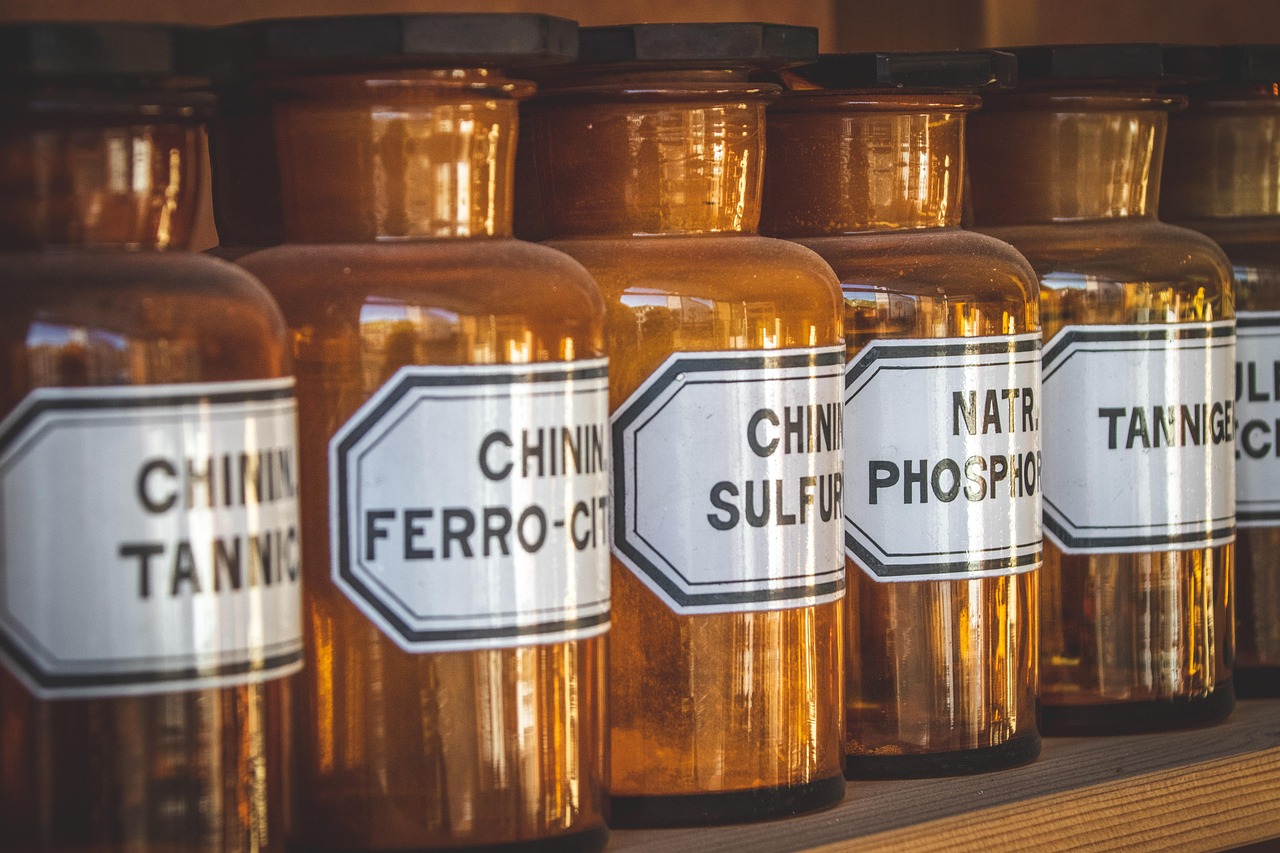
- Label every container clearly. Secondary containers, prepared solutions, reaction mixtures, and waste containers should show enough information for another trained person to understand the contents and hazards. Unlabeled containers should not be ignored or casually returned to storage.
- Segregate incompatible chemicals. Flammables, oxidizers, acids, bases, water-reactives, toxics, and compressed gases need storage arrangements that prevent foreseeable reactions during leaks, breakage, fire, or emergency response.
- Select gloves by chemical compatibility. A glove that resists one solvent may fail quickly against another. Glove material, thickness, breakthrough time, splash versus immersion risk, and dexterity all matter.
- Use eye and face protection appropriate to the task. Safety glasses may be insufficient for splash hazards. Chemical splash goggles and a face shield may be needed when handling corrosives, cryogens, pressurized systems, or larger volumes.
- Keep benches and aisles clear. Housekeeping is an exposure control. Clutter increases spill, fire, trip, cross-contamination, and emergency access risks.
- Control ignition sources. Flammable liquids, vapors, hot surfaces, static discharge, and open flames should be evaluated together, not separately.
- Manage unattended operations. Reactions, ovens, pumps, water lines, and gas flows left running should have authorization, signage, containment, shutoff plans, and emergency contact information.
- Secure compressed gas cylinders. Cylinders should be restrained, capped when not in use or during movement, matched with compatible regulators, and kept away from conditions that could damage valves or cause instability.
Waste, emergency response, and exposure follow-up
Chemical waste should be planned before work starts, not treated as an afterthought at the end of an experiment. Waste containers need compatible materials, closures, labels, segregation, and secondary containment where appropriate. Mixing incompatible waste streams can create heat, pressure, toxic gases, fire, or container failure. Laboratories should also avoid allowing old, unknown, or abandoned chemicals to accumulate, because unidentified materials are harder and more expensive to manage safely.
Academic laboratories that meet eligibility requirements may operate under EPA’s alternative hazardous waste standards for academic laboratories, known as Subpart K, if their institution has opted into that framework. Other laboratories may follow different generator requirements under federal and state rules. The practical lesson is the same: the lab needs a documented waste pathway, trained personnel, timely removal, and coordination with environmental health and safety or qualified waste professionals. See also: analytical methods.
Emergency planning should be specific rather than generic. A small solvent spill, a corrosive splash, a pyrophoric fire, a compressed gas leak, and a possible inhalation exposure require different responses. Labs should define what workers may clean up themselves, when to evacuate, who to call, where spill kits and eyewashes are located, and how to preserve information for medical evaluation. Exposure incidents should trigger timely reporting, medical consultation when required, and a review of what failed in the work system.
Training and safety culture that actually changes behavior
Training is effective only when it changes decisions at the bench. A slide deck once a year cannot replace task-specific instruction, supervised practice, and clear expectations from principal investigators, supervisors, instructors, and managers. The American Chemical Society and the National Academies have both emphasized that strong laboratory safety depends on culture as well as written procedures. Culture shows up in ordinary choices: whether people question unclear instructions, report near misses, keep hoods uncluttered, label samples before leaving, and stop work when controls are missing.
Useful training should answer three questions for every significant task: What can go wrong, how is it controlled, and what should I do if control is lost? New workers should not be expected to infer these answers from general experience. Even experienced chemists need orientation to local equipment, emergency systems, waste rules, approval procedures, and unusual hazards.
- Make training role-specific. A first-year student, synthesis chemist, facilities technician, and waste handler do not need identical training in identical depth.
- Use near misses as learning material. A reported small spill, mislabeled bottle, hood alarm, or incompatible storage error can reveal system weaknesses before an injury occurs.
- Document competency, not just attendance. For high-risk work, the lab should verify that the person can perform the procedure safely under supervision before working independently.
A practical audit checklist for chemistry laboratory safety
A useful audit does more than ask whether a policy exists. It compares the written safety system with actual lab conditions. The checklist below gives safety leaders, instructors, and lab managers a concise way to find gaps that matter.
| Audit question | Why it matters | Red flag |
|---|---|---|
| Does the chemical inventory match what is physically present? | Unknown or outdated chemicals increase storage, exposure, and disposal risk | Unlisted bottles, expired peroxide-formers, unknown samples |
| Are SDSs and hazard labels accessible and understood? | Hazard information must be available before and during work | Workers cannot locate SDSs or explain label warnings |
| Are fume hoods functioning and used correctly? | Ventilation failure can turn routine work into inhalation exposure | Blocked baffles, storage clutter, ignored alarms, raised sash |
| Do SOPs cover high-hazard operations? | General rules rarely control specialized risks | No written procedure for pyrophorics, pressure reactions, toxic gases, or scale-up |
| Is PPE selected for the chemical and task? | Generic PPE may fail against specific hazards | One glove type used for all solvents and corrosives |
| Are waste containers compatible, closed, labeled, and removed on schedule? | Poor waste control can create fire, pressure, exposure, and regulatory problems | Open funnels, vague labels, mixed incompatible waste |
| Are emergency systems visible and usable? | Seconds matter during splashes, fires, and exposure events | Blocked eyewash, expired spill materials, unclear evacuation route |
The best audits lead to assigned actions, deadlines, and verification. A finding such as “improve labeling” is too vague. A stronger corrective action states exactly which containers, labels, procedure, owner, and completion date are involved.
Frequently asked questions
Does every chemistry lab need a chemical hygiene plan?
In U.S. workplaces where OSHA’s Laboratory Standard applies and hazardous chemicals are used in laboratory operations, the employer must develop and carry out a written Chemical Hygiene Plan. Laboratories outside that scope may still need equivalent written procedures under institutional, state, accreditation, or other regulatory requirements.
Is PPE enough for chemistry laboratory safety?
No. PPE is important, but it is the last layer in the hierarchy of controls. Safer chemical choices, smaller quantities, closed systems, fume hoods, shields, training, and approval procedures should be considered before relying on gloves, goggles, and lab coats alone.
How often should a chemistry lab review its safety procedures?
The Chemical Hygiene Plan must be reviewed at least annually where OSHA’s Laboratory Standard applies. Individual SOPs should also be reviewed when chemicals, scale, equipment, personnel, incident history, or hazard information changes.
What should a lab do with an unlabeled chemical container?
An unlabeled container should be treated as a safety issue, not a housekeeping nuisance. The lab should isolate it if needed, avoid opening or mixing it casually, consult knowledgeable personnel, review records, and use the institution’s process for unknown chemical evaluation and disposal.
What did the 2024 OSHA hazard communication update mean for labs?
The 2024 update aligned OSHA’s Hazard Communication Standard primarily with GHS Revision 7 and changed several classification, labeling, and SDS-related provisions. For laboratories, the practical impact is to monitor incoming SDSs and labels, update workplace labeling or training when new hazards are identified, and pay attention to transition dates for substances and mixtures.