Laboratory safety checklist for daily, monthly, and annual lab reviews
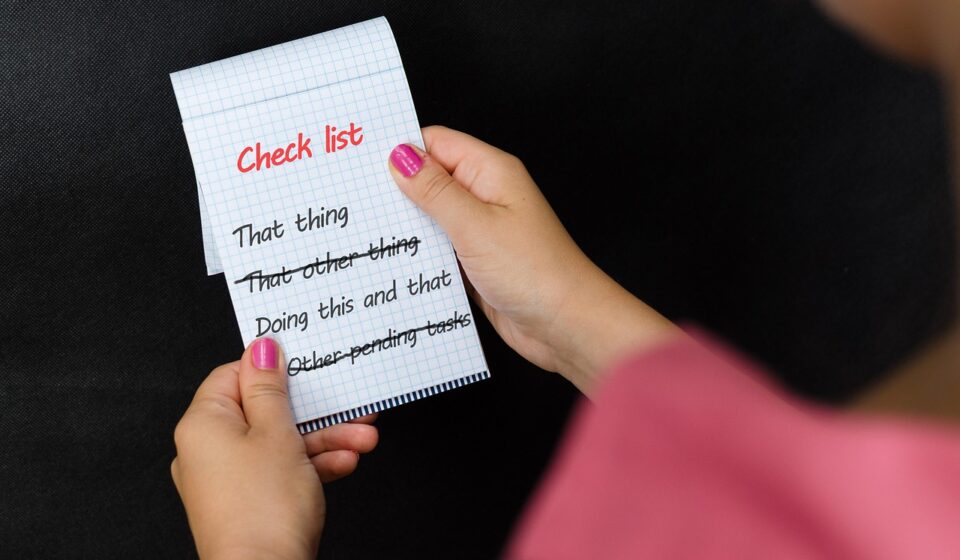
How to use this laboratory safety checklist
A laboratory safety checklist should do more than confirm that benches are tidy. It should help supervisors verify that people, procedures, equipment, chemicals, and emergency controls are ready before work starts. For U.S. laboratories using hazardous chemicals, OSHA’s Laboratory Standard centers the safety program on a written Chemical Hygiene Plan, while OSHA’s Hazard Communication Standard addresses labels, safety data sheets, and employee training. In practice, the checklist should keep attention on the highest-risk items, record what was inspected, assign corrective actions, and be updated when the work changes. This article provides a working framework for daily, weekly, monthly, annual, and change-triggered reviews, with references to OSHA, CDC/NIOSH, EPA, and National Academies guidance. (osha.gov)
Use this guide as a starting point, not as a substitute for site-specific requirements. A teaching laboratory, analytical chemistry lab, biomedical lab, quality control lab, and pilot-scale research space may share many controls, but each checklist should reflect the hazards actually present. For more safety topics and related updates, visit the laboratory safety section.

Start with scope, responsibility, and risk
Before adding inspection boxes, define the scope of the review. A general checklist should identify the room or suite, date, inspector, lab owner, type of work observed, open corrective actions, and whether the work has changed since the previous review. If a new chemical, organism, instrument, reaction scale, gas cylinder, pressure system, or waste stream has been introduced, the checklist should trigger a risk assessment instead of treating the change as routine.
NIOSH describes the hierarchy of controls as the preferred order for reducing workplace hazards: elimination, substitution, engineering controls, administrative controls, and personal protective equipment. That order is important in laboratories. Goggles, gloves, and coats are essential, but they should not be the only barrier between workers and a serious exposure. A strong checklist therefore asks first whether the hazard can be removed, reduced, enclosed, ventilated, or controlled by procedure before it confirms PPE. (cdc.gov)
Checklist setup items
- Identify the laboratory area, supervisor, inspector, and review frequency.
- List the main hazard groups present, such as flammables, corrosives, toxics, compressed gases, cryogens, sharps, biological materials, lasers, or electrical equipment.
- Confirm that the current Chemical Hygiene Plan, biosafety manual, SOPs, and emergency procedures are available to workers.
- Record whether new materials, procedures, equipment, or staff require additional review.
- Assign corrective actions with an owner and due date, rather than recording only pass or fail.
Daily laboratory safety checklist
Daily checks should focus on conditions that change quickly and can affect worker safety right away. These are the items that are easy to miss during busy work: unlabeled containers, cluttered benches, blocked exits, open waste containers, missing PPE, incorrect sash height, and equipment left running without proper controls.
| Area | Daily check | Acceptable evidence |
|---|---|---|
| Access and housekeeping | Walkways, exits, eyewash paths, showers, electrical panels, and fire equipment are not blocked. | Clear access, with no stored boxes or carts in emergency routes. |
| PPE | Required eye protection, coats, gloves, face shields, respiratory protection where applicable, and closed-toe footwear are available and used correctly. | PPE matches the task and hazard assessment; damaged PPE is removed. |
| Chemical containers | All primary and secondary containers are labeled, closed when not in use, and compatible with their contents. | Labels identify contents and hazards; no unknowns or deteriorated containers are present. |
| Fume hoods | Hoods used for hazardous chemical work are operating, not overloaded, and not used as general storage. | Sash is positioned as required; airflow indicator or local check is acceptable; clutter is minimized. |
| Work surfaces | Benches are clean, dry, and free of unnecessary chemicals, sharps, broken glass, or trip hazards. | Only active materials for the task are present. |
| Waste | Chemical, biological, sharps, glass, and general waste are segregated and closed as required. | Waste containers are compatible, labeled, not leaking, and not overfilled. |
| Emergency readiness | Spill kits, first aid supplies, emergency contacts, alarms, and evacuation routes are known and accessible. | Workers can state what to do for a spill, splash, fire, injury, or exposure. |
For fume hoods, OSHA guidance emphasizes proper operation and maintenance when hoods are used, and its non-mandatory laboratory recommendations identify hoods as important engineering controls for chemical exposure. The checklist should therefore verify more than the presence of a hood. It should confirm whether the hood is appropriate for the task, whether airflow is indicated, whether the sash is being used correctly, and whether materials stored in the hood are disrupting work space or airflow. (osha.gov)
Weekly and monthly laboratory safety checks
Weekly and monthly checks should go deeper than a daily walk-through. These reviews are useful for conditions that deteriorate gradually, including chemical inventory accuracy, storage compatibility, expired peroxide formers, unlabeled samples, eyewash access, incomplete waste logs, equipment maintenance, and training gaps for new staff.
Recommended weekly checks
- Confirm that eyewash stations, emergency showers, spill kits, fire extinguishers, fire alarms, exits, and first aid supplies remain visible and reachable.
- Review open waste containers and accumulation areas for labeling, compatibility, closure, leaks, secondary containment, and pickup status.
- Check shared refrigerators, freezers, incubators, ovens, and storage cabinets for unknowns, food or drink violations, and incompatible materials.
- Inspect compressed gas cylinders for correct restraint, valve protection when not in use, compatible regulators, and clear separation of empty and full cylinders.
- Review unattended operations for written authorization, posted contact details, secondary containment, temperature control, and shutdown plans.
Recommended monthly checks
- Verify that the chemical inventory matches the containers actually present in the lab.
- Review safety data sheet access for new or changed chemicals.
- Inspect flammable, corrosive, oxidizer, toxic, and reactive storage areas for segregation and container condition.
- Review training records for new staff, visiting researchers, students, and temporary personnel.
- Check electrical cords, power strips, hot plates, centrifuges, vacuum lines, pressure equipment, and guards for damage or improper use.
- Review incidents, near misses, spills, and corrective actions from the previous month.
Laboratories that handle biological materials should add biosafety-specific questions. CDC and NIH’s Biosafety in Microbiological and Biomedical Laboratories guidance emphasizes protocol-driven risk assessment rather than one-size-fits-all controls. For a checklist, that means confirming that practices, safety equipment, and facility safeguards match the agent, procedure, volume, route of exposure, and worker competency. (cdc.gov)
Annual and change-triggered review items
An annual review should test whether the safety system still fits the work being performed. Copying last year’s inspection form is not enough. The lab should review the Chemical Hygiene Plan, SOPs, training, emergency procedures, inventory, waste streams, exposure controls, ventilation records, and incident trends. Any major change should trigger the same type of review immediately, even if the annual audit is months away.
Chemical hygiene and hazard communication
Under OSHA’s Laboratory Standard, employers using hazardous chemicals in laboratories must develop and carry out a written Chemical Hygiene Plan. OSHA also requires safety data sheets received with incoming hazardous chemicals to be maintained and readily accessible to laboratory employees. In the checklist, these requirements should be written as verifiable items: a current plan exists, staff know where it is, SOPs match actual work, and SDS access works during both normal and emergency conditions. (osha.gov)
Hazard communication deserves close attention in 2026. OSHA’s 2024 Hazard Communication update became effective on July 19, 2024, and OSHA issued an extension of compliance dates on January 15, 2026. For substances, chemical manufacturers, importers, and distributors had a May 19, 2026 compliance date, while employers must update affected workplace labels, written hazard communication programs, and additional training as necessary by November 20, 2026. Mixture-related dates extend later, so laboratories should track substances and mixtures separately rather than treating every SDS update as one event. (osha.gov)
Waste and environmental controls
EPA regulates hazardous waste under the Resource Conservation and Recovery Act framework, and generator requirements can depend on facility status, waste type, quantity, and state rules. A laboratory checklist should not replace waste determinations. It should confirm that waste is identified, segregated, compatible with its container, closed when required, stored in appropriate secondary containment, and removed through approved internal procedures. (epa.gov) See also: analytical methods.
Emergency preparedness
Emergency preparedness checks should be practical. Workers should know the fastest route to alarms, exits, eyewash, shower, fire extinguishers, spill supplies, first aid, and communication points. OSHA laboratory guidance highlights knowing the location of emergency equipment such as fire extinguishers, exits, emergency shower and eyewash, telephones, and first aid kits. A checklist should verify that people can act quickly, not merely that equipment appears on a floor plan. (osha.gov)
A practical checklist template for supervisors
The following template can be adapted for a weekly inspection, monthly review, or internal audit. It gives supervisors a concise way to document status and follow-up without turning the inspection into a box-ticking exercise.
| Checklist section | Pass criteria | Frequency | Corrective action if not met |
|---|---|---|---|
| Lab entry and postings | Emergency contacts, hazard signs, access rules, and required PPE are visible and current. | Daily or weekly | Update posting and notify lab personnel. |
| Training and authorization | Only trained and authorized personnel perform restricted work. | Monthly and after staffing changes | Stop restricted work until training is completed. |
| Chemical inventory and SDS | Inventory is current and SDS access is available for hazardous chemicals. | Monthly or quarterly | Update inventory, remove unknowns, obtain SDS. |
| Engineering controls | Fume hoods, biosafety cabinets, guards, shields, ventilation, and containment devices are suitable and functioning. | Daily visual check; periodic formal review | Tag out or restrict work until evaluated. |
| PPE | PPE is task-specific, available, clean, undamaged, and used correctly. | Daily | Replace PPE and retrain if use is inconsistent. |
| Storage compatibility | Incompatible chemicals, gases, and wastes are separated; containers are intact and closed. | Weekly or monthly | Segregate immediately and review storage map. |
| Waste management | Waste is labeled, compatible, closed, not leaking, and removed through approved channels. | Weekly | Correct container or label and request pickup. |
| Emergency equipment | Eyewash, shower, extinguishers, alarms, spill kits, and exits are accessible. | Daily visual check; periodic documented test where required | Clear obstruction, replace supplies, report failed equipment. |
| Incident follow-up | Spills, exposures, injuries, near misses, and equipment failures are reported and closed out. | Monthly | Assign root-cause review and track actions. |
Common gaps a checklist should catch
The most useful checklist catches weak signals before they become incidents. A clean laboratory can still have serious safety gaps if procedures are outdated, inventory is inaccurate, or controls no longer match the work. Supervisors should pay particular attention to these recurring problems:
- PPE treated as the main control. PPE is important, but the checklist should first ask whether hazards can be eliminated, substituted, enclosed, ventilated, shielded, or procedurally controlled.
- Fume hoods used as storage cabinets. Storage inside hoods can reduce usable work space and may interfere with airflow; only materials needed for active work should be present unless the hood or connected cabinet is specifically designed and approved for storage.
- Secondary containers without usable labels. Small bottles, wash bottles, and temporary containers are common sources of confusion when labels are missing, faded, abbreviated, or detached.
- Waste containers that look like process containers. Waste needs clear labeling, compatible containers, closure, segregation, and secondary containment where needed.
- Old chemicals with uncertain condition. Unknowns, expired reactive chemicals, degraded caps, crystallization, and damaged containers require prompt review under local procedures.
- Training records that do not match actual work. A person trained for general lab entry may not be trained for pyrophorics, high-pressure reactions, biological agents, lasers, cryogens, or hazardous waste duties.
- Change without review. A new scale, solvent, temperature, pressure, organism, apparatus, or overnight run can invalidate an old risk assessment.
Frequently asked questions
What should be included in a laboratory safety checklist?
A laboratory safety checklist should include housekeeping, emergency access, PPE, chemical labels, SDS access, fume hoods, storage compatibility, waste, equipment condition, training, incident follow-up, and required plan reviews. It should also include space for corrective actions, responsible persons, and due dates.
How often should a lab safety checklist be completed?
High-risk and fast-changing items should be checked daily. Storage, inventory, waste, equipment, and training items are often reviewed weekly or monthly. Full program reviews should occur annually and whenever work changes significantly.
Is a checklist the same as a Chemical Hygiene Plan?
No. A checklist is an inspection and verification tool. A Chemical Hygiene Plan is the written program that describes procedures, equipment, PPE, and work practices for protecting laboratory employees from chemical health hazards. The checklist should help verify that the plan is being followed.
Who should sign a laboratory safety checklist?
The person who performs the inspection should sign or electronically approve the checklist. For unresolved findings, the responsible supervisor, lab manager, principal investigator, safety officer, or facility representative should also be assigned as the corrective-action owner.
Should small laboratories use the same checklist as large laboratories?
They can share a basic structure, but the content should be scaled to the work. A small lab still needs labels, SDS access, emergency readiness, waste controls, and training, but it may not need every section used by a large multi-room research facility.