Laboratory safety shoes explained for chemical, slip, and impact hazards
What laboratory safety shoes need to do
Laboratory safety shoes are not just closed-toe work shoes. In a lab, footwear has to match the hazards present in the work area: small chemical splashes, broken glass, dropped bottles, rolling gas cylinders, wet floors, sharps, electrical work, static-sensitive materials, and contamination control requirements. In many low-risk laboratories, sturdy closed-toe and closed-heel shoes may be the baseline. For higher-risk tasks, a documented hazard assessment may require safety-toe, slip-resistant, puncture-resistant, chemical-resistant, or static-control footwear. This guide summarizes the practical selection logic used in laboratory safety programs and explains how to read common safety footwear markings without treating any one shoe as suitable for every lab.
Start with the lab footwear hazard assessment
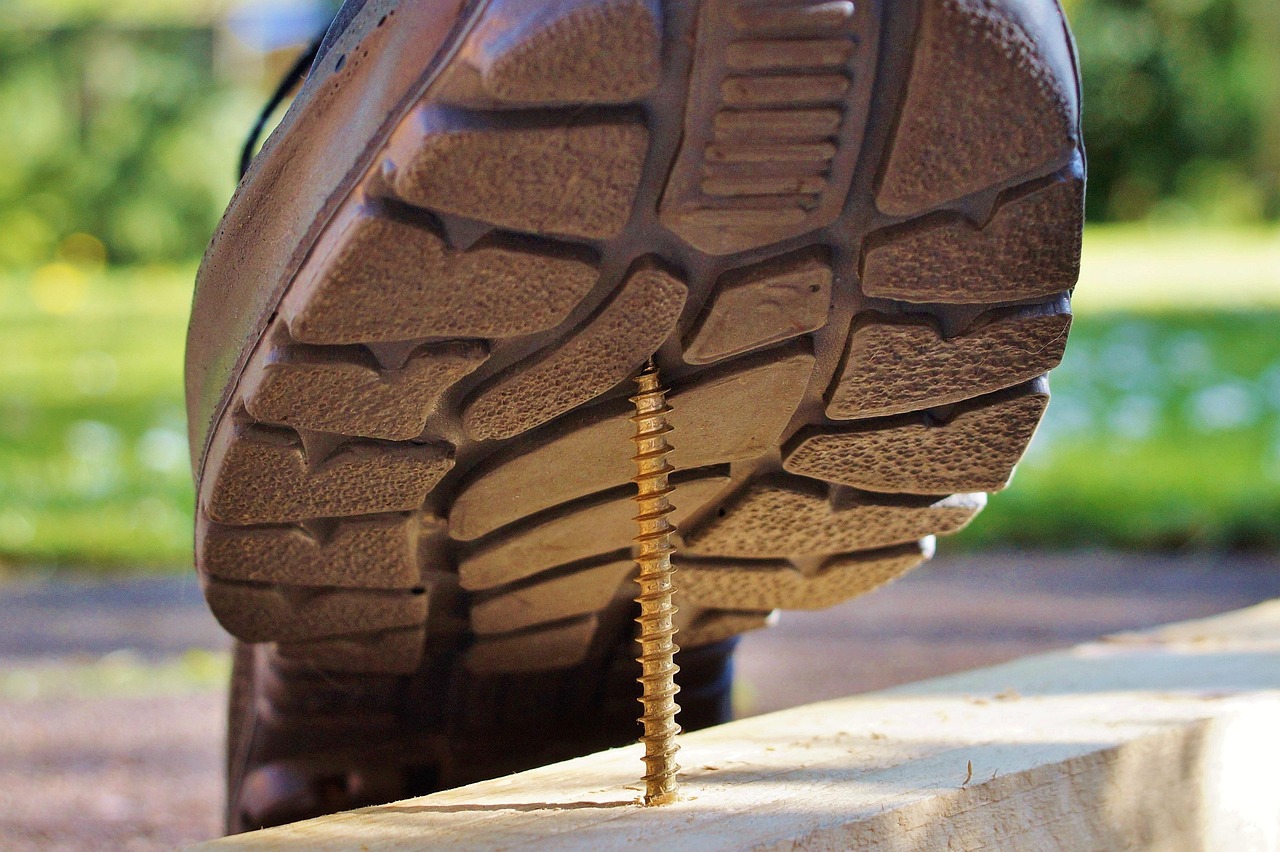
The most reliable way to choose lab footwear is to start with the work, not the catalog. OSHA’s general PPE framework for U.S. workplaces requires employers to assess the workplace, identify hazards that require PPE, and select protective equipment that matches those hazards. OSHA’s foot protection rule also requires protective footwear where employees face foot injuries from falling or rolling objects, sole puncture hazards, or certain electrical hazards that remain after other protective measures are used.
Laboratory conditions vary widely. A teaching chemistry lab, glass wash room, pilot-scale process lab, battery test area, and vivarium support space may all be described as laboratories, but their footwear risks are not the same. Many university and institutional EHS programs set a baseline requirement that footwear fully enclose the foot and provide a barrier to spills. Task-specific protective footwear is then added when the work presents impact, compression, puncture, splash, slip, or electrical hazards.
Chemical splash and liquid penetration
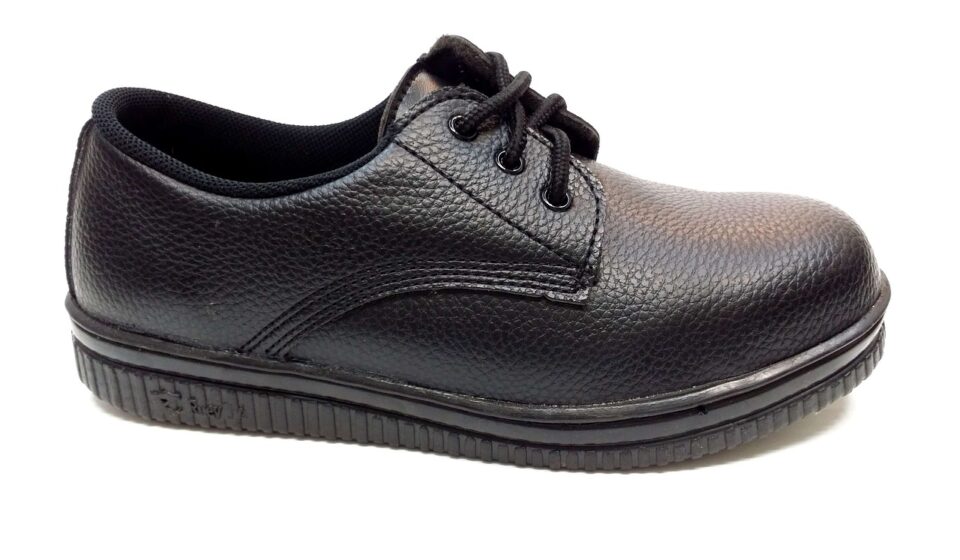
For routine laboratory entry, many EHS programs prohibit sandals, open heels, perforated uppers, mesh athletic shoes, and cloth sneakers because they expose skin or absorb liquids. Leather or synthetic leather is often preferred for general lab attire because it provides a more substantial barrier than fabric. When work involves large containers, corrosives, floor-level transfer, spill cleanup, or significant splash potential, ordinary shoes may not provide enough protection. Chemical-resistant overshoes, rubber boots, or task-specific chemical-resistant footwear may be needed.
Dropped objects and rolling loads
Safety-toe shoes are not automatically required in every lab. They are appropriate where heavy items can fall or roll onto feet, such as during gas cylinder handling, bottle washing, autoclave loading, receiving and stockroom work, maintenance inside lab areas, or movement of heavy instrument components. In these settings, the toe cap should be part of a footwear system tested to a recognized protective footwear standard. An aftermarket strap-on toe cover should only be used if the site’s safety assessment allows it for a defined, limited task.
Wet floors and slip risks
Slip resistance is especially relevant in labs with sinks, ice, floor drains, animal care support areas, cold rooms, glass wash operations, and liquid transfer work. NIOSH has highlighted slip-resistant footwear as one element in preventing workplace slip, trip, and fall injuries, but footwear is only one part of the control strategy. Floor condition, housekeeping, spill response, mat placement, drainage, and walking routes still matter. If a shoe is marketed as slip resistant, check the relevant test marking or manufacturer documentation; marketing language alone does not identify the test surface or contaminant used.
Electrical and static-control risks
Electrical hazard, static dissipative, and conductive footwear are not interchangeable. Electrical hazard footwear is intended to help reduce the risk of electric shock under specified dry conditions. Static dissipative footwear helps reduce static charge accumulation. Conductive footwear drains charge more aggressively and may be used in specialized environments where static discharge could ignite flammable materials, but it also creates different electrical risk considerations. Labs working with electronics, powders, flammable vapors, battery systems, or energized equipment should have the site’s EHS and electrical safety specialists define the required marking.
How to read safety footwear standards and markings
For U.S. protective safety-toe footwear, ASTM F2413 is the key specification to know. As of September 2026, ASTM F2413-24 is the active edition listed by ASTM International, with the edition updated on July 3, 2024. OSHA’s regulation still names older incorporated standards in the regulatory text, while also allowing footwear that the employer demonstrates is at least as effective. In practice, many employers specify current ASTM F2413-compliant footwear because it provides a recognized way to document tested protective performance.
The marking inside a shoe or boot matters more than the product name. A shoe described as a laboratory shoe, safety sneaker, or work clog may not provide toe impact protection, puncture resistance, or electrical protection unless those properties are marked or documented. Conversely, a heavy boot may be unnecessary for a dry, low-risk bench lab if the assessment only requires enclosed, non-absorbent footwear.
| Marking or term | What it generally indicates | Why it matters in laboratories |
|---|---|---|
| ASTM F2413 | Protective safety-toe footwear meeting ASTM performance requirements | Useful where impact or compression hazards are present |
| I and C | Impact and compression protection for the toe area | Relevant for gas cylinders, heavy bottles, stockrooms, and instrument handling |
| Mt | Metatarsal protection for the top of the foot | May be needed where heavy objects could strike beyond the toe cap |
| PR | Puncture-resistant footwear bottom | Useful around sharps, broken glass, metal fragments, or maintenance debris |
| EH | Electrical hazard resistance | May apply around certain energized electrical hazards under dry conditions |
| SD | Static dissipative properties | May apply in electronics labs, powder handling, or static-sensitive processes |
| Cd | Conductive properties | Specialized use where static buildup must be reduced; not a general substitute for EH footwear |
| SR or SRO | Slip-resistance marking associated with current ASTM footwear requirements | Helpful in wet or oily work areas, but still depends on floor conditions and contamination |
International laboratories may also encounter EN ISO 20345 or CSA Z195 markings. Those systems are not identical to ASTM markings. A procurement specification should name the standard required by the employer, institution, or jurisdiction instead of assuming that one regional code automatically satisfies another.
Choosing shoes for common laboratory environments
The table below is a practical selection aid, not a substitute for a site-specific PPE assessment. It shows how footwear decisions change as the lab task changes.
| Lab setting or task | Likely footwear concern | Practical selection direction |
|---|---|---|
| General wet chemistry bench work | Minor splash, broken glass, foot exposure | Closed-toe, closed-heel, substantial, non-absorbent uppers; avoid mesh, sandals, and perforations |
| Corrosive transfer or spill response | Chemical penetration and floor-level exposure | Chemical-resistant boots or overshoes selected for the chemicals involved |
| Glass wash, stockroom, or receiving | Wet floors, heavy containers, rolling carts | Slip-resistant sole plus safety toe if impact or compression hazards are present |
| Gas cylinder movement | Rolling or falling cylinder impact | Safety-toe footwear; consider metatarsal protection if the risk extends to the top of the foot |
| Sharps, broken glass, or maintenance work | Sole puncture | Footwear marked for puncture resistance where the assessment identifies sole penetration risk |
| Electronics or static-sensitive work | Electrostatic discharge | Static dissipative or conductive footwear only where the program requires it and flooring supports it |
| Electrical troubleshooting in lab areas | Shock hazard | Use electrical safety controls first; EH footwear may be one part of the PPE decision |
| Cleanroom or bio-containment support | Contamination transfer | Dedicated footwear or approved covers may be required, but covers do not replace impact-rated shoes |
A sound lab footwear policy avoids two extremes. It should not allow open or absorbent shoes in hazardous lab spaces. At the same time, it should not require heavy safety-toe boots for desk-only tasks inside a dry, low-risk laboratory unless the hazard assessment supports that requirement. Over-specifying footwear can reduce compliance if workers find the shoes hot, unstable, poorly fitted, or unsuitable for long periods of standing. See also: analytical methods.
Materials, fit, and maintenance matter as much as the label
Footwear that meets a standard on paper can still fail in use if it is poorly matched to the worker or the lab. In chemical laboratories, the upper should minimize liquid absorption and cover the top, sides, heel, and toe of the foot. Smooth leather, coated leather, or suitable synthetic materials are often easier to wipe down than mesh. Fabric and canvas may be comfortable, but they can absorb liquids and hold contamination against the foot.
Sole design should match the floor. Deep lugs may track contamination and catch on certain mats, while flat soles may perform poorly on wet floors. Labs with frequent liquid exposure should evaluate tread cleanability, drainage, and grip on the actual floor surfaces used. If a shoe is used in a cleanroom, vivarium, or biological work area, the site should decide whether the footwear stays in the controlled area, is covered, or is decontaminated after use.
Fit is a safety issue, not only a comfort issue. Shoes that pinch toes, rub heels, or fatigue the wearer can lead to distraction and unsafe movement. A safety toe should leave enough room for the toes without allowing the heel to slide. Workers who stand for long periods may need cushioning and arch support, but modifications require caution. ASTM notes that changes such as after-market footbeds, inserts, or resoling can affect compliance with the original marking. If a lab requires certified protective footwear, changes should be reviewed before assuming the marking still applies.
Maintenance should be included in the policy. Shoes should be inspected for cracked uppers, separated soles, worn tread, exposed toe caps, chemical contamination, and loss of closure function. Footwear contaminated with hazardous material may require cleaning, controlled disposal, or removal from service according to the chemical hygiene plan and waste procedures.
Common mistakes when buying laboratory safety shoes
- Buying by appearance instead of marking. A shoe can look rugged without being ASTM F2413 protective footwear. Check the internal label and documentation.
- Assuming steel toe is always required. Many labs need enclosed, non-absorbent footwear, while safety toe protection is task-specific.
- Using breathable mesh in chemical labs. Mesh improves comfort but can allow liquids to pass through and can retain contamination.
- Treating shoe covers as full protection. Disposable covers may help with contamination control or minor splash, but they do not create toe impact or puncture protection unless specifically designed and approved for that purpose.
- Confusing EH, SD, and conductive footwear. These markings address different electrical or static hazards and should be selected by the safety program.
- Ignoring the floor. Slip-resistant footwear works best as part of a broader slip prevention plan that includes housekeeping, mat control, spill cleanup, and floor maintenance.
- Letting damaged shoes remain in service. Worn tread, cracked uppers, separated soles, or chemical degradation can remove the protection the policy depends on.
Frequently asked questions
Are closed-toe shoes enough for laboratory work?
Closed-toe shoes may be enough for some low-risk laboratory activities, but many lab programs also require closed heels, coverage over the top of the foot, long pants, and non-absorbent materials. If the task includes heavy objects, sharps, significant splash potential, wet floors, or electrical hazards, additional protective footwear may be needed.
Do all laboratories require steel toe shoes?
No. Steel toe or other safety-toe footwear should be based on impact and compression hazards. A general bench chemistry lab may not need safety toes for every person, while a glass wash room, stockroom, gas cylinder area, or pilot plant may require them.
What is better for labs, steel toe or composite toe?
Neither is automatically better. The important question is whether the footwear meets the required protective standard and task needs. Steel toes are common and durable. Composite toes may be lighter and non-metallic, which can matter in some environments. The marking and hazard match are more important than the toe material alone.
Can regular sneakers be used as lab shoes?
Regular sneakers may be unacceptable if they are made of mesh, canvas, perforated fabric, or other absorbent materials. A lab shoe should fully cover the foot and provide a reasonable barrier to spills and broken glass. In higher-risk areas, sneakers without safety markings will not replace certified protective footwear.
What should a lab footwear policy specify?
A useful policy should define baseline attire, prohibited footwear, tasks that require safety-toe or chemical-resistant footwear, any required ASTM or other standards, replacement rules, contamination controls, and who approves exceptions. It should be tied to the lab’s hazard assessment rather than copied from a generic work boot policy.