PPE laboratory safety guide for chemical and biological work
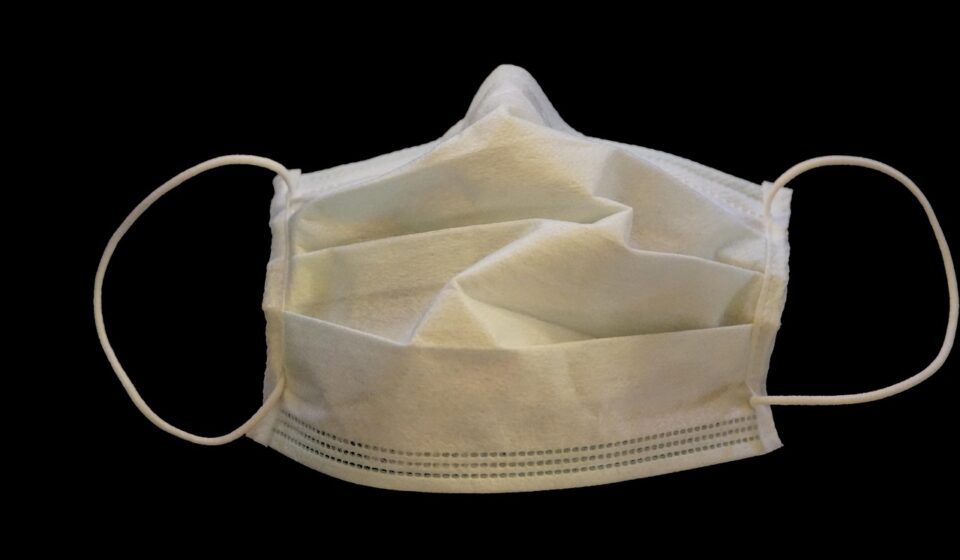
PPE laboratory safety should start with the task in front of the user. A lab coat, gloves, and eye protection may be standard in many rooms, but they only work when they match the chemical, biological, thermal, sharps, splash, or equipment hazard involved. Under U.S. OSHA requirements, employers must assess workplace hazards and select appropriate PPE. CDC/NIOSH guidance places PPE near the lower end of the hierarchy of controls because it relies heavily on correct selection, fit, use, and removal. In practice, laboratories should first reduce risk through substitution, containment, ventilation, written procedures, and training, then use PPE as the final wearable barrier.
For related safety topics, visit the laboratory safety section.
Why PPE is necessary but not the first safety control
PPE protects the person wearing it, but it does not remove the hazard from the laboratory. A splash goggle may protect the eyes during a transfer, but it does not make a corrosive liquid less hazardous. A glove may reduce skin contact, but it can still fail if the material is wrong, if the breakthrough time is exceeded, or if the wearer spreads contamination to door handles, notebooks, or instruments.
CDC/NIOSH describes the hierarchy of controls as a preferred order for reducing workplace exposures: elimination, substitution, engineering controls, administrative controls, and PPE. In a laboratory, that means asking whether a hazardous material can be avoided, used in a smaller quantity, replaced with a less hazardous reagent, handled in a fume hood or biosafety cabinet, or controlled through a validated standard operating procedure before relying on wearable protection.
OSHA’s laboratory standard for hazardous chemicals, 29 CFR 1910.1450, centers on the Chemical Hygiene Plan. That plan is expected to address procedures, equipment, PPE, and work practices capable of protecting employees from chemical health hazards. OSHA’s general PPE rule, 29 CFR 1910.132, also requires employers to assess the workplace, select PPE that protects against identified hazards, communicate selection decisions, and ensure proper fit.
The result is a layered approach. Effective laboratory safety combines risk assessment, containment, training, emergency equipment, housekeeping, and PPE that fits both the hazard and the user. PPE is essential, but it should not be treated as the entire safety program.
Build PPE choices from a task hazard assessment
A useful PPE decision begins with the task, not the job title. “Chemist,” “technician,” or “student” does not describe the exposure. A person preparing a dilute buffer, transferring concentrated acid, cleaning broken glass, using liquid nitrogen, or vortexing an infectious specimen faces different risks. The same laboratory may need different PPE combinations during setup, routine handling, spill response, and waste disposal.
A task hazard assessment should identify the material, quantity, concentration, route of exposure, energy source, equipment involved, and likely failure mode. Routes of exposure include inhalation, skin absorption, eye or mucous membrane contact, ingestion, puncture, and thermal injury. Failure modes include splashes, aerosols, sharps injuries, pressure release, dropped containers, cracked glassware, and contaminated surfaces.
Chemical hazards
For chemical work, PPE selection should consider corrosivity, toxicity, flammability, volatility, sensitization potential, skin absorption, and whether the work can generate splashes or vapors. OSHA’s eye and face protection standard, 29 CFR 1910.133, requires appropriate protection when workers are exposed to hazards such as liquid chemicals, acids, caustic liquids, chemical gases or vapors, and potentially injurious radiation. Safety glasses may be suitable for some impact hazards, but chemical splash goggles or a face shield over goggles may be needed when a splash risk is credible.
Glove selection is particularly task-specific. OSHA’s hand protection standard, 29 CFR 1910.138, requires hand protection when hands are exposed to hazards such as harmful substance absorption, severe cuts, punctures, chemical burns, thermal burns, and harmful temperature extremes. A thin disposable nitrile glove may be convenient for brief, low-volume splash protection against some materials, but it should not be assumed suitable for every solvent, highly toxic compound, or extended-contact task. Safety data sheets, glove manufacturer compatibility data, and local safety procedures should be checked together.
Biological hazards
For biological work, PPE should be based on the organism, specimen type, route of transmission, procedure, and containment level. CDC and NIH’s Biosafety in Microbiological and Biomedical Laboratories, commonly known as BMBL, emphasizes risk assessment and containment. Gloves, coats, gowns, eye and face protection, shoe covers, and respiratory protection may be part of the control set. Their use depends on the procedure and the likelihood of exposure to infectious droplets, aerosols, sharps, or contaminated surfaces.
When work may generate aerosols or splashes, PPE should be considered alongside primary containment such as a certified biosafety cabinet. If a procedure can be performed inside appropriate containment, the PPE decision may differ from an open-bench procedure. If containment is unavailable or impractical, administrative controls and PPE become more important, but they should still be supported by a documented risk assessment rather than habit.
Physical, thermal, and equipment hazards
Laboratory PPE is not limited to chemicals and biological materials. Cryogenic liquids require protection against extreme cold and splash. Hot surfaces require thermal gloves or tools. Lasers require wavelength-appropriate eyewear. Noise-producing equipment may require hearing protection. Centrifuges, pressurized systems, needles, scalpels, and broken glass require controls for impact, puncture, or projectile hazards.
Physical hazards can also create situations where PPE introduces new risks. Loose gloves, dangling sleeves, or unsecured clothing can be dangerous near rotating equipment. Thick gloves may reduce dexterity and increase the chance of spills or breakage. Good PPE selection balances protection with the ability to perform the task safely.
Core PPE categories for laboratory work
The following table summarizes common PPE categories and how they are typically evaluated. It is not a universal prescription; it is a decision aid for matching PPE to task hazards.
| PPE category | Typical laboratory use | Key selection points | Common limitation |
|---|---|---|---|
| Lab coat or protective gown | Routine protection from minor splashes, contamination, or contact with bench surfaces | Material, closure, sleeve coverage, flame resistance if needed, contamination control, laundering method | Standard coats may not protect against strong chemicals, fire, or large-volume spills |
| Chemical-resistant apron | Added torso protection for corrosive or splash-prone liquid handling | Chemical compatibility, coverage, overlap with gloves, ease of doffing | Does not replace eye, face, hand, or respiratory protection |
| Safety glasses | Impact protection and basic eye coverage for lower splash-risk tasks | Side shields, impact rating, fit over prescription eyewear where needed | Not the same as sealed chemical splash goggles |
| Chemical splash goggles | Protection from liquid splashes, droplets, and some dusts | Seal, venting type, chemical splash rating, compatibility with face shield or respirator | Can fog or fit poorly if not selected for the user |
| Face shield | Additional face coverage for splash, cryogenic, or high-volume transfer tasks | Used with goggles or safety glasses as required, full-face coverage, material resistance | Generally not a substitute for primary eye protection |
| Disposable gloves | Brief contact or splash protection for selected chemicals and biological materials | Material, thickness, breakthrough time, glove change frequency, allergy considerations | No single glove material protects against all chemicals |
| Specialty gloves | Cryogenic, heat, cut, puncture, or chemical immersion tasks | Hazard-specific rating, cuff length, grip, dexterity, moisture control | Bulkier gloves can reduce handling precision |
| Respiratory protection | Selected tasks where inhalation hazards remain after other controls | Hazard type, cartridge or filter selection, fit testing, medical clearance, written program | Requires a compliant respiratory protection program, not casual use |
Lab coats, gloves, and eye protection deserve special attention
Three PPE categories appear in many labs every day: coats, gloves, and eye protection. Their familiarity can make them easy to misuse.
Lab coats and protective clothing
Protective clothing should cover exposed skin and be appropriate for the hazard. National Academies guidance in Prudent Practices in the Laboratory advises that lab coats should be appropriate to the work, worn closed, and kept in the laboratory to reduce the chance of carrying contamination into public or office areas. In higher-risk settings, a standard cotton or polyester-cotton coat may be insufficient. Flame-resistant coats, fluid-resistant gowns, chemical aprons, sleeve covers, or disposable protective clothing may be needed depending on the work.
Lab coats should not be treated as personal fashion items or general office wear. A contaminated coat should be removed carefully, stored or laundered according to policy, and replaced if damaged. Sleeves should protect the arms without interfering with instruments, flames, or rotating equipment.
Gloves
Gloves should be selected for the specific hazard and replaced before they fail. Important factors include material, thickness, degradation, permeation, breakthrough time, cuff length, and whether the task involves splash, immersion, or only incidental contact. Disposable gloves should be inspected before use and changed when torn, contaminated, degraded, or after completing a task that could spread contamination.
Glove misuse is a common laboratory safety problem. Contaminated gloves can transfer risk to keyboards, phones, elevator buttons, and door handles. Using the same gloves for multiple incompatible chemicals may create hidden exposure. Double gloving may be useful for some high-risk tasks, but it should be specified by procedure rather than used as a vague substitute for choosing the right material. See also: analytical methods.
Eye and face protection
Eye injuries can be severe even when the amount of material is small. The right eye protection depends on the hazard: impact, liquid splash, vapor, dust, optical radiation, or a combination of these. Safety glasses with side shields are not equivalent to chemical splash goggles. A face shield adds coverage for the face, but when chemical splash or impact hazards exist, it should normally be used with appropriate eye protection underneath.
Fit matters. Gaps around eyewear, fogging, poor compatibility with respirators, and discomfort can lead users to remove protection during the task. If users wear prescription glasses, the lab should plan for over-glasses goggles or prescription-rated safety eyewear appropriate to the hazard.
Common PPE mistakes that weaken laboratory protection
Many PPE failures are not dramatic equipment defects. They are routine decisions that reduce protection over time. Common mistakes include:
- Using one default glove for all chemicals. Glove compatibility varies widely by chemical and contact time.
- Relying on safety glasses for splash-prone liquid transfers. Goggles or additional face protection may be needed.
- Taking PPE outside controlled areas. Lab coats and gloves can spread contamination if worn in offices, corridors, or break rooms.
- Ignoring fit and comfort. PPE that fogs, pinches, slips, or blocks vision is less likely to be worn correctly.
- Confusing PPE with containment. A respirator or face shield does not replace a properly functioning hood, biosafety cabinet, or closed system when those controls are required.
- Failing to plan doffing. Removing contaminated PPE incorrectly can expose skin, clothing, or clean surfaces.
- Not updating PPE after process changes. A new solvent, scale-up, instrument, organism, or waste stream may change the required protection.
These errors are easier to prevent when PPE is written into task procedures, reinforced through training, and checked during routine supervision.
How to make PPE decisions practical and auditable
A laboratory PPE program should be easy to follow and possible to audit. Broad instructions such as “wear appropriate PPE” are not enough for higher-risk work. Procedures should specify the required coat or gown, glove material, eye and face protection, respiratory protection if applicable, and any special donning, doffing, disposal, or decontamination steps.
For chemical laboratories, PPE instructions should align with the Chemical Hygiene Plan, safety data sheets, fume hood requirements, spill procedures, and waste handling rules. For biological laboratories, PPE should align with the biosafety manual, risk assessment, containment equipment, exposure response plan, and decontamination procedures. For mixed-hazard work, such as a biological sample preserved in a hazardous chemical or cryogenic storage of infectious material, the PPE decision must address all credible hazards rather than only the most obvious one.
Training should cover not only what to wear, but why it is required, how to inspect it, when to replace it, how to remove it without self-contamination, and what to do after an exposure. Supervisors should observe actual work, not just review attendance sheets. A worker may pass a training quiz and still use gloves incorrectly at the bench.
Documentation should be concise. A useful PPE record can include the task name, hazards, selected PPE, source of compatibility information, limitations, date reviewed, and responsible reviewer. When the process changes, the PPE assessment should be reviewed again.
Daily PPE checklist for laboratory users
Before beginning a task, laboratory personnel can use a short checklist to catch obvious PPE gaps:
- Have I reviewed the procedure, hazards, and exposure routes for this task?
- Can the hazard be reduced by scale, substitution, containment, or better work practice before PPE is considered?
- Is my eye protection suitable for splash, impact, dust, or optical radiation hazards?
- Are my gloves compatible with the material and expected contact time?
- Does my coat, gown, or apron protect the areas likely to be exposed?
- Is respiratory protection required, and if so, am I covered by the required program?
- Can I perform the task safely while wearing this PPE, or does it reduce visibility, grip, or dexterity?
- Do I know how to remove and dispose of or decontaminate the PPE after the task?
- Is emergency equipment such as an eyewash, shower, spill kit, or first-aid response available and accessible?
This checklist does not replace a formal hazard assessment, but it helps turn written requirements into everyday behavior.
Frequently asked questions
Is PPE required in every laboratory?
Most laboratories require some form of PPE, but the exact combination depends on the hazards present and the task being performed. A low-risk instrument room, a teaching chemistry lab, a BSL-2 microbiology bench, and a cryogenic storage area should not automatically use the same PPE rules.
Are safety glasses enough for chemical work?
Sometimes, but not always. Safety glasses with side shields may be suitable for certain impact or lower-splash tasks. When liquid splash, corrosive chemicals, or droplets are credible hazards, chemical splash goggles and sometimes a face shield may be needed.
Can one type of glove be used for all lab chemicals?
No. Glove performance depends on the chemical, glove material, thickness, exposure time, and task conditions. Disposable nitrile gloves are common, but they are not universal chemical protection. Compatibility information should be checked before work begins.
Why is PPE considered lower in the hierarchy of controls?
PPE depends on correct selection, fit, use, maintenance, and removal by the wearer. Higher-level controls such as elimination, substitution, ventilation, containment, and safe procedures reduce exposure more directly and do not rely as heavily on perfect human behavior.
How often should laboratory PPE requirements be reviewed?
PPE requirements should be reviewed whenever a material, concentration, scale, instrument, procedure, or regulatory requirement changes. Periodic review is also useful after incidents, near misses, spill events, or observations showing that PPE is difficult to use correctly.
Bottom line
Effective PPE laboratory safety is not about wearing more equipment for every task. It is about choosing the right protection for a defined hazard, using stronger controls first, and making PPE requirements clear enough to follow under real working conditions. Laboratories that connect PPE to hazard assessment, containment, training, and procedure review create a more reliable safety system than those that rely on generic rules alone.