10 laboratory safety precautions every lab worker should follow
Why laboratory safety precautions matter
The most important 10 laboratory safety precautions are to assess hazards before work begins, follow the lab’s chemical hygiene or safety plan, use appropriate PPE, keep food and drink out of the lab, label and store materials correctly, control exposure with ventilation and containment, maintain clean work areas, handle sharps and glassware carefully, prepare for spills and emergencies, and report incidents or unsafe conditions.
These precautions are more than good work habits. In many workplaces, they support legal duties, training requirements, and risk controls described by OSHA, CDC, NIOSH, and the National Academies. OSHA’s Laboratory Standard requires covered employers to maintain a Chemical Hygiene Plan, provide hazard information and training, keep safety data sheets accessible, and review the plan at least annually. (osha.gov)
Laboratories do not all carry the same risk profile. A chemistry teaching lab, a clinical microbiology lab, a materials testing room, and an environmental analysis facility use different materials, equipment, and work practices. The precautions below are a practical baseline, not a substitute for site-specific requirements. Each lab should adapt them to its actual hazards, procedures, equipment, and local rules. For more related safety topics, visit the laboratory safety section.
1. Assess hazards before starting any procedure
Safe lab work starts before anyone opens a bottle, starts a centrifuge, heats a sample, or loads a syringe. A pre-task hazard assessment should identify the materials, equipment, reaction conditions, exposure routes, waste streams, and emergency actions connected with the task. This step helps workers decide whether the work needs a fume hood, biosafety cabinet, blast shield, secondary containment, special gloves, respiratory protection, or a written approval process.
For chemical work, the safety data sheet is one of the first documents to review. It can describe hazards, exposure limits, PPE recommendations, incompatibilities, storage considerations, and emergency measures. OSHA’s rules for laboratory chemical hazards also require employees to be informed about the location and availability of the Chemical Hygiene Plan and known reference materials such as SDSs. (osha.gov)
A useful hazard assessment asks practical questions: What can splash, burn, ignite, aerosolize, rupture, puncture, or spill? What happens if power fails? Can the material react with water, air, acids, bases, oxidizers, or organic solvents? Who else could be affected nearby? Answering these questions before the procedure is safer and faster than improvising after an exposure, release, or equipment failure has already occurred.
2. Follow the lab safety plan and written procedures
Every laboratory should have procedures that are specific enough for the work being performed. A general safety poster is not a substitute for a written safety plan, standard operating procedures, equipment instructions, and training records. In chemical laboratories covered by OSHA’s Laboratory Standard, the Chemical Hygiene Plan is the central document for controlling exposure to hazardous chemicals. It should explain responsibilities, control measures, training, emergency procedures, and additional protections for particularly hazardous substances. (osha.gov)
Written procedures reduce variation between workers and shifts. They help new personnel learn the accepted method, remind experienced staff of critical steps, and make reviews easier after a near miss. They are especially important for work involving pyrophoric materials, peroxide-forming chemicals, compressed gases, strong oxidizers, infectious materials, cryogens, lasers, high voltage, pressure systems, or unattended operations.
In practice, following the plan means using the approved method instead of taking a shortcut. If a procedure cannot be followed because equipment is unavailable, a hood is malfunctioning, a reagent has changed, or the scale has increased, the work should pause until the procedure is reviewed. Many serious lab incidents begin with a small deviation that seemed convenient at the time.
3. Use the right personal protective equipment
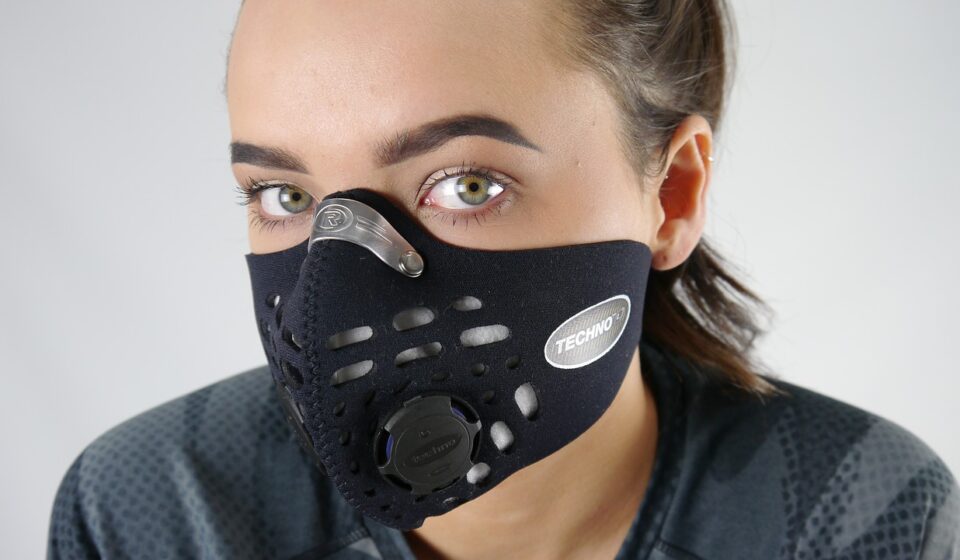
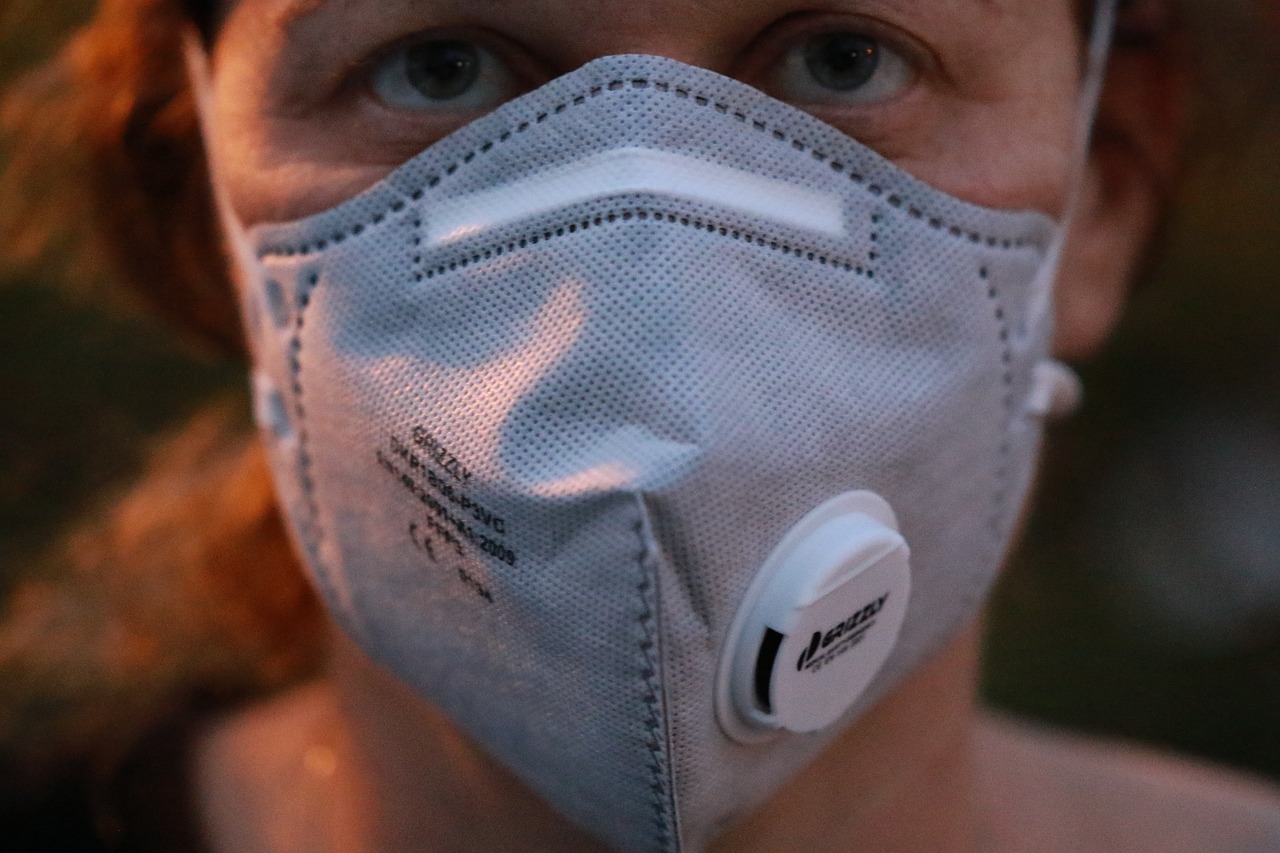
PPE is one of the most visible parts of laboratory safety, but it should be selected from the hazard assessment rather than chosen by habit. Common PPE includes lab coats, safety glasses, splash goggles, face shields, gloves, closed-toe shoes, hearing protection, and respiratory protection where required. OSHA lists eye and face protection, hazard communication, respiratory protection, and the laboratory chemical standard among the standards that can apply to laboratory activities. (osha.gov)
Eye protection is a minimum expectation in most wet labs. Safety glasses with side shields may be suitable where splash risk is low. Chemical splash goggles are more appropriate when handling corrosives, pressurized glassware, high-temperature operations, or materials that could spray or shatter. A face shield adds protection for the face and neck, but it does not replace goggles when splash hazards exist.
Glove selection also matters. A thin disposable glove may protect against brief contact with some materials but fail quickly against certain solvents or aggressive chemicals. Workers should check compatibility charts, avoid touching phones and door handles with contaminated gloves, and remove gloves before leaving the laboratory. PPE should never create a false sense of security; engineering controls and safe work practices remain essential.
4. Keep food, drinks, and personal items out of the laboratory
No eating, drinking, smoking, gum chewing, cosmetics application, or contact lens handling should occur in areas where hazardous chemicals, biological materials, or contaminated equipment are used. The reason is straightforward: hands, surfaces, aerosols, and residues can transfer hazardous material to the mouth, eyes, or skin.
Food and drink restrictions also help define the laboratory as a controlled work area. Refrigerators, microwaves, glassware, sinks, and ice machines used for laboratory work should not be used for personal consumption. Personal items such as backpacks, coats, and headphones should be kept outside active work zones so they do not become contaminated or block emergency access.
Handwashing is part of the same precaution. Workers should wash hands after removing gloves, after handling hazardous materials, before leaving the lab, and before eating or drinking in approved areas. NIOSH guidance for chemical hazards includes sanitation and first-aid concepts such as skin washing, removing contaminated clothing, and providing eyewash or quick-drench facilities when needed. (cdc.gov)
5. Label, segregate, and store materials correctly
Unlabeled containers and incompatible storage are common sources of laboratory risk. Every working container should identify its contents, hazards, responsible person or group, and date where relevant. Secondary containers should not become mystery bottles. If a material cannot be identified, it should be handled as potentially hazardous until a qualified person determines the next step.
Chemicals should be stored by compatibility, not by the alphabet alone. Flammables, corrosive acids, corrosive bases, oxidizers, water-reactive materials, toxics, and compressed gases each require appropriate storage controls. Acids and bases should be separated; oxidizers should be kept away from organics and reducing agents; flammable liquids should be stored in approved cabinets when required; and peroxide-forming chemicals should be dated and inspected according to the lab’s policy.
Good storage also means controlling quantity. Keeping only the amount needed for current work reduces fire load, spill size, waste accumulation, and inventory confusion. The National Academies’ prudent laboratory guidance emphasizes compatible chemical storage, emergency planning, laboratory security, and environmental health and safety management as part of modern chemical safety practice. (nap.nationalacademies.org)
6. Use ventilation and containment controls
Ventilation and containment protect workers by separating them from hazards. A chemical fume hood, biosafety cabinet, glove box, local exhaust system, splash shield, or sealed rotor can reduce exposure more reliably than PPE alone when used correctly. OSHA’s non-mandatory laboratory safety recommendations describe engineering controls such as chemical hoods as physical barriers between workers and hazards, supported by administrative controls, work practices, and PPE. (osha.gov)
Fume hoods should not be used as storage cabinets. Crowded hoods can disrupt airflow, hide incompatible chemicals, and make spills harder to manage. Sashes should be kept at the proper operating height, work should be performed well inside the hood, and users should avoid rapid arm movements that disturb containment. If an airflow alarm activates or a certification label is out of date, work should stop until the issue is evaluated.
Biological containment requires the same discipline. Procedures that can create droplets, splashes, or aerosols should be reviewed carefully. CDC laboratory risk assessment materials note that biological exposures can occur through mucous membranes, inhalation of infectious aerosols, sharps injuries, or contact with broken skin. (cdc.gov) See also: analytical methods.
7. Maintain clean benches, aisles, and emergency access
Housekeeping is not cosmetic in a laboratory. A cluttered bench can hide spills, increase contamination, block labels, knock over containers, and slow emergency response. Aisles, exits, eyewash stations, safety showers, fire extinguishers, electrical panels, and spill kits should remain visible and unobstructed. National Academies appendix materials for chemical laboratory safety specifically call for unobstructed access to emergency equipment and for equipment to be maintained in good working order. (nap.nationalacademies.org)
Clean work areas also support reliable lab work. Cross-contamination, mislabeled samples, and damaged equipment are more likely when materials pile up. At the end of a procedure, workers should cap containers, wipe surfaces using the approved method, return materials to storage, dispose of waste correctly, and document anything that needs follow-up.
Housekeeping includes equipment condition. Inspect cords, plugs, tubing, glassware, clamps, centrifuge rotors, pressure vessels, and heating devices before use. Damaged glassware, cracked tubing, corroded regulators, and improvised electrical connections should be removed from service rather than treated as normal lab clutter.
8. Handle sharps, glassware, pressure, and heat with extra care
Cuts, punctures, burns, and impact injuries can happen even in labs with modest chemical or biological hazards. Sharps should be minimized where practical, never recapped by hand unless an approved procedure requires it, and discarded in appropriate puncture-resistant containers. Broken glass should not be picked up with bare hands; use tools such as forceps, tongs, a brush, or a dustpan according to local procedure.
Glassware under vacuum or pressure needs special attention. Inspect it for cracks, scratches, star fractures, and stress points. Use shielding when implosion or explosion is possible. Do not heat sealed containers unless the procedure and equipment are designed for pressure. Compressed gas cylinders should be secured, capped when moved, clearly identified, and handled with compatible regulators.
Heat and cold create their own hazards. Hot glass looks like cold glass. Cryogenic liquids can cause severe cold burns and displace oxygen in poorly ventilated areas. Autoclaves, ovens, hot plates, oil baths, and furnaces require training, heat-resistant PPE, and clear procedures for loading, unloading, and cooling.
9. Prepare for spills, exposures, fires, and evacuations
Emergency preparation should be specific, visible, and practiced. Workers should know how to call for help, where to find spill kits, how to reach the eyewash and safety shower, when to evacuate, and who must be notified after an incident. Emergency numbers and basic response instructions should be easy to find, not buried in a binder that no one opens during a crisis.
Not every spill should be cleaned up by the person who caused it. A trained worker may be able to manage a small, low-hazard spill with the correct materials. A large spill, unknown material, fire, toxic gas release, high-consequence pathogen concern, mercury release, or uncontrolled reaction may require evacuation and specialized response. When the hazard is unclear, the safer decision is to leave the area and report it.
Eyewashes and safety showers must be reachable quickly. Fire extinguishers should be used only by trained personnel and only when the fire is small, the escape route is clear, and the person is not placed at risk. Emergency drills, spill exercises, and tabletop discussions can reveal practical problems such as locked exits, missing absorbents, unclear waste labels, or blocked equipment.
10. Report incidents, near misses, and unsafe conditions
A strong safety culture treats reporting as prevention, not blame. Spills, exposures, broken equipment, missing labels, damaged cords, blocked eyewashes, incorrect waste containers, and near misses should be reported promptly. Near misses are especially valuable because they show where controls nearly failed before someone was injured.
Reports should lead to action. That may include retraining, revising a procedure, replacing a reagent, repairing ventilation, improving labeling, changing storage, or updating emergency supplies. If nothing changes after repeated reports, workers may stop speaking up. Supervisors and safety officers should close the loop by explaining what was corrected and what remains under review.
Documentation also supports compliance. OSHA’s Laboratory Standard includes recordkeeping provisions for exposure measurements and medical consultations or examinations required by the standard. It also requires review and evaluation of the Chemical Hygiene Plan at least annually, which makes incident and near-miss information useful for continuous improvement. (osha.gov)
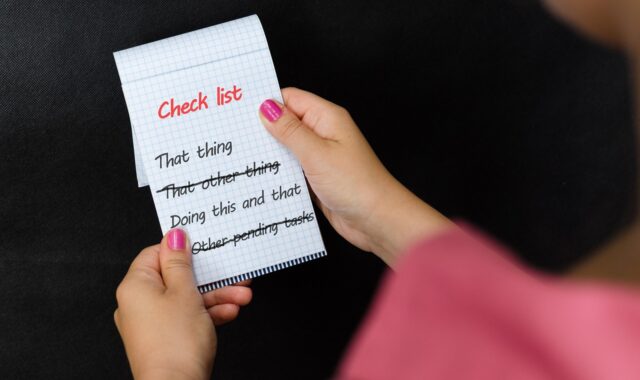
A practical checklist for daily lab work
| Before work | During work | After work |
|---|---|---|
| Review hazards, SDSs, procedures, and required training. | Use the correct PPE, ventilation, containment, and scale. | Close containers, clean the area, and return materials to storage. |
| Confirm emergency equipment is accessible. | Keep labels visible and avoid unattended hazards. | Dispose of waste in the correct container. |
| Inspect equipment, glassware, and cords. | Keep food, drinks, and personal items outside the lab. | Report incidents, near misses, and damaged equipment. |
This checklist is not a replacement for a site-specific safety program, but it helps translate the 10 laboratory safety precautions into daily practice. The best precaution is the one that is used consistently, understood by the worker, and matched to the actual hazard.
Frequently asked questions
What is the most important laboratory safety precaution?
The most important precaution is to assess the hazard before starting work. PPE, storage, ventilation, waste handling, and emergency planning all depend on knowing what the material or procedure can do.
Are these 10 precautions enough for every laboratory?
No. They are a baseline for common laboratory risks. Specialized work involving pathogens, radioactive materials, lasers, animals, nanomaterials, explosives, high-pressure systems, or highly toxic chemicals needs additional controls and approvals.
How often should laboratory safety procedures be reviewed?
Procedures should be reviewed when materials, equipment, scale, personnel, or regulations change. For chemical laboratories covered by OSHA’s Laboratory Standard, the Chemical Hygiene Plan must be reviewed and evaluated at least annually.
Why are near misses important in laboratory safety?
Near misses reveal weak controls before an injury, exposure, fire, or release occurs. Reporting them helps laboratories correct problems early, improve training, and prevent repeat events.