Laboratory tools and apparatus selection for safer, traceable results
Laboratory tools and apparatus influence sample integrity, operator safety, measurement uncertainty, workflow speed, and the credibility of reported results. A sound selection process starts by matching each item to the method, sample type, risk level, operating environment, cleaning requirement, and required evidence of performance. In many laboratories, costly problems do not come from advanced instruments alone. They also come from overlooked basics such as unverified balances, damaged glassware, unsuitable plastics, poorly maintained centrifuges, or equipment used outside its stated range. This guide explains how to classify common laboratory tools, how to choose them for real workflows, and how calibration, qualification, maintenance, and validation fit together.
What laboratory tools and apparatus include
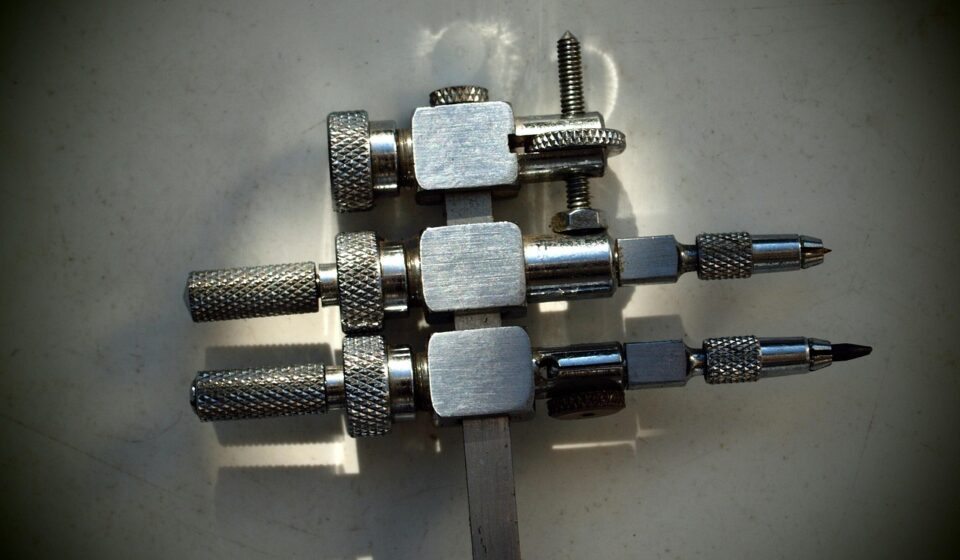
The phrase laboratory tools and apparatus covers a wide range of items, from simple hand tools to complex measurement systems. A practical way to understand the category is to group equipment by function rather than by price or size. This helps prevent a low-cost tool from being treated as low-risk when it can still affect results or safety.
Common categories include:
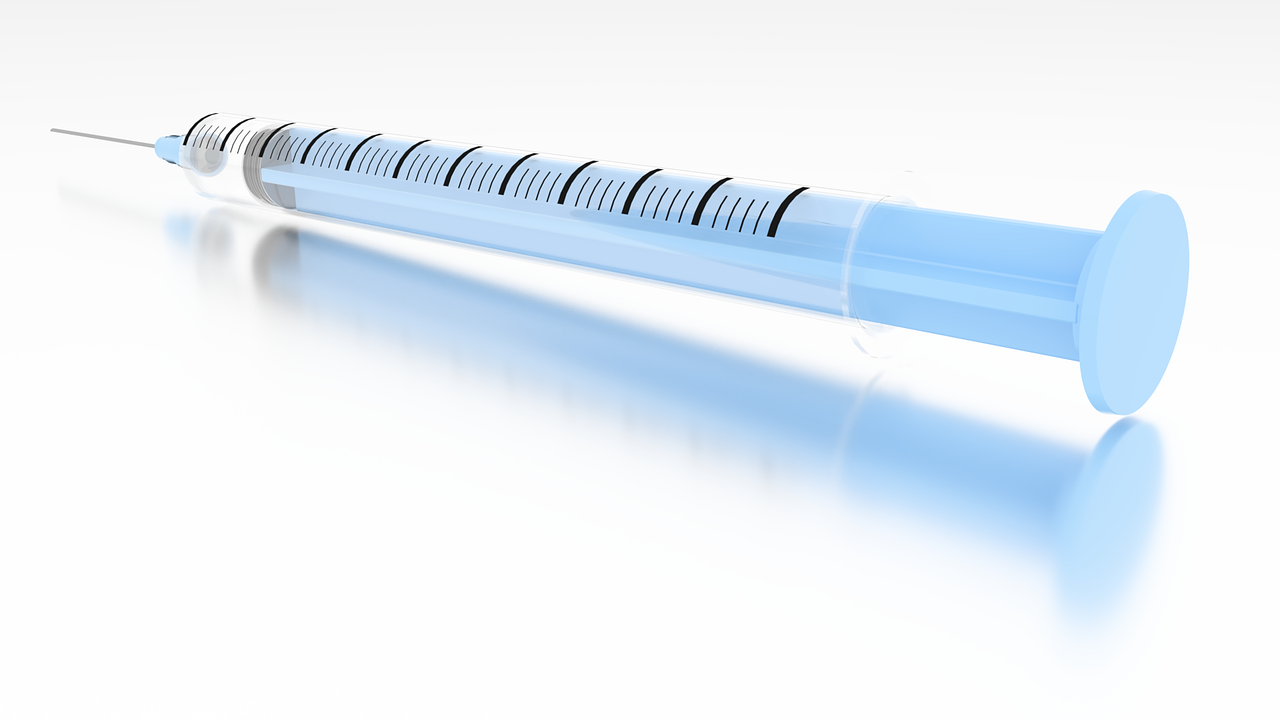
- Measuring tools: balances, thermometers, pH meters, conductivity meters, pipettes, burettes, graduated cylinders, volumetric flasks, pressure gauges, timers, and reference standards.
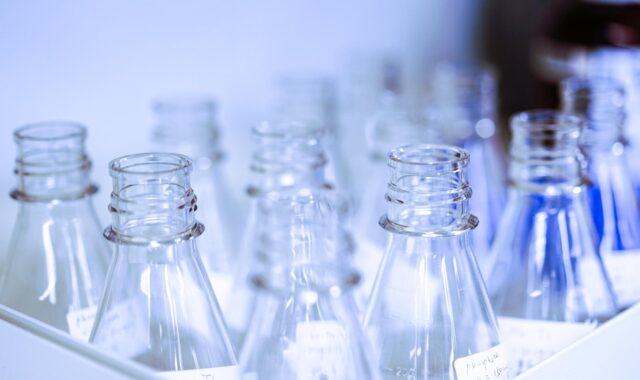
- Containment and reaction apparatus: beakers, flasks, test tubes, funnels, watch glasses, condensers, reagent bottles, desiccators, crucibles, and reaction vessels.
- Processing equipment: centrifuges, mixers, stirrers, homogenizers, hot plates, ovens, water baths, incubators, autoclaves, filtration units, and sample preparation tools.
- Observation and analysis tools: microscopes, spectrophotometers, chromatographic accessories, sensors, probes, slides, cuvettes, and imaging aids.
- Safety and environmental controls: chemical fume hoods, biosafety cabinets, eyewash stations, spill kits, shields, gloves, lab coats, storage cabinets, and ventilation-related equipment.
- Support and documentation systems: labels, racks, tongs, clamps, data loggers, maintenance records, calibration certificates, and equipment identification systems.
This functional view connects each item to its role in the method. A pipette, for example, is not only a liquid transfer device; in quantitative work it is a measurement tool. A fume hood is not simply furniture; it is an engineering control that must be suitable for the chemicals and procedures performed inside it.
Selection should start with the method, not the catalog
A common purchasing mistake is to start with a catalog specification instead of a method requirement. The better question is not which apparatus looks most advanced, but what the method needs the tool to do under normal operating conditions.
Before selecting a tool or apparatus, define:
- Purpose: whether the item is used for measurement, heating, containment, transfer, mixing, storage, protection, or documentation.
- Sample compatibility: chemical resistance, temperature tolerance, biological compatibility, adsorption risk, contamination risk, and cleaning method.
- Performance range: volume, mass, temperature, speed, pressure, time, accuracy, resolution, and repeatability needed for the method.
- Operating environment: humidity, vibration, airflow, temperature stability, electrical supply, bench space, and exposure to corrosive or hazardous substances.
- User skill level: whether trained staff can operate the item consistently and whether errors are easy to detect.
- Evidence requirement: whether calibration, qualification, maintenance logs, certificates, or method verification records are needed.
For simple apparatus such as beakers or funnels, compatibility and cleanliness may be the main concerns. For volumetric glassware, pipettes, balances, temperature devices, and analytical accessories, the laboratory must also consider measurement uncertainty and traceability. For equipment that affects safety, such as centrifuges, autoclaves, fume hoods, and biosafety cabinets, selection should include inspection frequency, user training, preventive maintenance, and documented operating limits.
A practical selection matrix for common laboratory items
The following matrix summarizes how different types of laboratory tools and apparatus can be evaluated. It is not a substitute for a laboratory’s own procedures, but it gives procurement, quality, and technical teams a shared starting point.
| Item type | Main risk if poorly selected | Key selection checks | Typical evidence to keep |
|---|---|---|---|
| Volumetric glassware and pipettes | Biased or inconsistent volume delivery | Class, tolerance, volume range, material, calibration status, cleaning compatibility | Calibration record, identification, user checks, cleaning procedure |
| Balances and mass standards | Incorrect weighing and invalid calculations | Capacity, readability, location, draft protection, calibration plan, check weights | Calibration certificate, daily or routine check log, service record |
| Temperature devices | Incorrect incubation, drying, storage, or reaction conditions | Range, sensor type, stability, mapping need, probe placement, data logging | Calibration record, temperature map where needed, alarm or monitoring log |
| Centrifuges | Sample loss, aerosol generation, rotor failure, poor separation | Rotor compatibility, maximum speed, balancing requirements, containment, maintenance | Maintenance log, rotor inspection, operating procedure, training record |
| Fume hoods and safety cabinets | Worker exposure or contamination | Suitable control type, airflow performance, sash use, placement, certification requirement | Inspection or certification record, user instructions, corrective actions |
| Reagent and sample containers | Contamination, evaporation, degradation, misidentification | Material compatibility, closure type, labeling space, storage temperature, light sensitivity | Labeling procedure, cleaning or single-use policy, storage record |
The value of a matrix is that it turns selection into a documented decision. A laboratory can then explain why a particular tool was chosen, what limits apply, and what evidence is needed before the tool supports reported results.
Safety controls are part of apparatus selection
Laboratory apparatus should be selected with safety controls in mind. OSHA’s laboratory safety materials emphasize that chemical hygiene planning includes procedures, equipment, personal protective equipment, and work practices that protect workers from hazardous chemicals. CDC and NIOSH describe the hierarchy of controls as a preferred order of risk reduction, with elimination and substitution generally more effective than engineering controls, administrative controls, and personal protective equipment.
In practical terms, a laboratory should not rely only on gloves or signage when a safer process, enclosed apparatus, splash shield, ventilation control, or safer reagent can reduce the hazard more effectively. Apparatus selection should therefore ask:
- Can the hazardous step be eliminated or replaced with a less hazardous method?
- Does the apparatus contain splashes, aerosols, vapors, heat, pressure, or moving parts?
- Is the tool compatible with the chemical, biological, thermal, or mechanical hazard?
- Does the user need a fume hood, biosafety cabinet, shield, interlock, grounding, or secondary containment?
- Can the apparatus be cleaned, decontaminated, stored, and inspected without creating new risk?
For example, choosing a centrifuge is not only about maximum speed and tube capacity. Rotor condition, balancing practices, sealed buckets, aerosol containment, and routine inspection can be just as important. Selecting a heating device also requires attention to temperature control, vessel stability, flammable vapors, unattended operation, and emergency response.
Calibration, verification, qualification, and validation are related but different
Many laboratory errors come from using these terms interchangeably. They overlap, but they answer different questions.
Calibration asks whether a measuring device agrees with a reference
Calibration compares a measurement device with a suitable reference standard and reports the relationship, often including measurement uncertainty. NIST explains metrological traceability as a documented, unbroken chain linking a measurement result to a reference. A key point from NIST policy is that traceability belongs to the measurement result, not simply to the instrument or certificate. In other words, a calibrated instrument still has to be used correctly, within range, in a suitable environment, and under an appropriate procedure.
Verification asks whether the tool is fit for intended use
Verification is usually a check against defined acceptance criteria. A balance may be verified with check weights before use. A pipette may be checked gravimetrically at defined volumes. A thermometer may be compared at the temperature range relevant to a method. Verification should be practical, documented, and tied to the risk of the measurement.
Qualification asks whether equipment is installed and operating as expected
Qualification is common for larger or more complex equipment. Installation qualification confirms that the equipment, utilities, environment, and documentation are in place. Operational qualification confirms that the equipment operates across required functions. Performance qualification confirms that it performs acceptably under routine conditions. Not every beaker needs qualification, but incubators, ovens, freezers, autoclaves, analytical instruments, and controlled storage systems often need more formal evidence. See also: analytical methods.
Validation asks whether the method produces reliable results for its intended purpose
Validation looks beyond a single tool. It considers the method, sample type, equipment, operator, environment, acceptance criteria, and result interpretation. ISO/IEC 17025:2017 is widely used by testing and calibration laboratories to demonstrate competence and reliable results. In that context, tools and apparatus support validity only when they are controlled through suitable procedures, personnel competence, metrological traceability where required, and records.
For related topics on equipment checks, documentation, and method confidence, see the service and validation section.
Documentation turns equipment control into evidence
A laboratory may be using suitable equipment and still have weak evidence. Documentation allows another competent person to understand what was used, whether it was suitable, and whether problems were handled correctly.
Useful records for laboratory tools and apparatus include:
- Unique equipment identification or labeling system.
- Manufacturer manuals and operating instructions where applicable.
- Acceptance checks when new equipment is received.
- Calibration certificates and the scope of calibration.
- Routine verification checks and acceptance limits.
- Preventive maintenance and service history.
- Cleaning, decontamination, and storage records where relevant.
- Out-of-service labels, repair notes, and impact assessments for affected results.
- Training records for tools that require specific technique or safety knowledge.
The most useful records are not always the longest. They are clear, controlled, and connected to decisions. If a thermometer fails a routine check, the record should show what happened next: removal from use, replacement, repair, recalibration, and assessment of any samples or results that may have been affected. Without that link, documentation becomes a file archive rather than a quality control tool.
Common mistakes when managing laboratory tools and apparatus
Laboratories often focus on high-value instruments while overlooking ordinary items that influence results. The following mistakes are common because they can look minor until they affect data quality or safety.
- Using apparatus outside its intended range: A tool may be accurate at one range and unsuitable at another. This is especially important for pipettes, balances, temperature probes, and pressure devices.
- Assuming new means ready: New equipment may still require installation checks, calibration, cleaning, software setup, or performance confirmation.
- Ignoring environmental effects: Vibration, drafts, humidity, heat sources, direct sunlight, and bench instability can affect measurements and equipment performance.
- Treating certificates as automatic proof: A certificate supports a decision only when the calibration scope, uncertainty, date, identification, and acceptance criteria match the laboratory’s use.
- Mixing clean and contaminated workflows: Shared tools can transfer residues, microorganisms, or particles if storage and cleaning rules are unclear.
- Keeping damaged apparatus in circulation: Chipped glassware, worn seals, cracked tubes, corroded clamps, and damaged electrical cords create both safety and result-quality risks.
- Not assessing result impact after failure: When equipment fails, the laboratory should consider whether previous results remain valid and document the rationale.
These issues are preventable when equipment control is treated as a routine workflow rather than an audit preparation task. The goal is not paperwork for its own sake; it is confidence that the right tool was used correctly at the right time.
Frequently asked questions
What is the difference between laboratory tools and laboratory apparatus?
The terms overlap. In common usage, laboratory tools often refers to smaller items used by hand, such as spatulas, pipettes, forceps, thermometers, and clamps. Laboratory apparatus usually refers to assembled or purpose-built equipment such as glassware setups, heating systems, centrifuges, filtration units, and containment devices. For quality management, the more important distinction is whether the item affects safety, sample integrity, or reported results.
Do all laboratory tools need calibration?
No. Calibration is mainly needed when a tool makes or supports a measurement that affects a result. A balance, pipette, thermometer, timer, pressure gauge, or pH meter may need calibration or verification. A test tube rack or clamp usually does not need calibration, but it still needs to be suitable, clean, and in good condition.
How often should laboratory apparatus be checked?
The interval should be based on risk, manufacturer guidance, frequency of use, stability, historical performance, method requirements, and regulatory or accreditation expectations. Some items need checks before each use, while others may be checked monthly, annually, after repair, after relocation, or before critical work. The interval should be justified and adjusted if failures or drift are observed.
Why does traceability matter for basic laboratory equipment?
Traceability matters when results depend on measurement. If a sample mass, volume, temperature, time, or pH value is wrong, the final result can be wrong even if the analytical method is otherwise sound. Traceable calibration and documented verification help show that measurements are connected to recognized references and that uncertainty has been considered.
What should a laboratory do when equipment fails a check?
The item should be removed from use or clearly labeled, and the laboratory should document the failure, corrective action, and any impact on previous work. Depending on the risk, this may include repair, recalibration, replacement, repeat testing, notification, or a documented decision that previous results were not affected.
Key takeaway
Choosing laboratory tools and apparatus is a technical decision, not a simple purchasing step. The right choice depends on method requirements, sample compatibility, safety controls, measurement performance, maintenance needs, and the level of evidence required for reliable results. When laboratories connect equipment selection with calibration, verification, qualification, validation, and clear documentation, ordinary tools become part of a stronger system for safer work and more dependable data.