Science laboratory apparatus and safety controls for safer lab work
Why apparatus choice is a safety decision
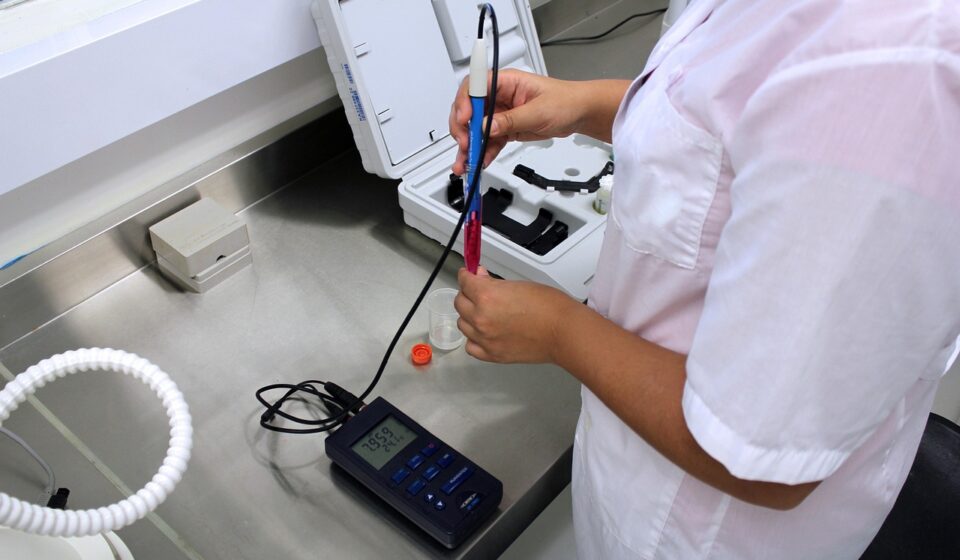
Science laboratory apparatus is not just a collection of tools for measuring, heating, mixing, separating, or observing materials. Each item on the bench can change the risk profile of a task. A beaker, centrifuge, hot plate, fume hood, biological safety cabinet, pipette, gas cylinder, or storage cabinet is safe only when it matches the hazard, the procedure, the user’s training, and the room where it is installed. For laboratories that handle chemicals, OSHA’s Laboratory standard, 29 CFR 1910.1450, links safe work to written procedures, engineering controls, personal protective equipment, and work practices. Apparatus selection is therefore part of the safety system, not a routine purchasing detail.
This guide reviews common apparatus through a laboratory safety lens. It is intended for educational, research, and general technical laboratories that need practical decision points rather than a simple equipment list.
Start with the hazard before naming the apparatus
A common mistake is to choose the instrument first and then ask how to make it safe. The better sequence is to identify the hazard before selecting the apparatus. The National Academies’ Prudent Practices in the Laboratory emphasizes evaluating chemical, physical, reactive, flammable, explosive, radiation, and biological hazards before work begins. The apparatus should then be selected to reduce exposure, prevent uncontrolled release, and support emergency response if controls fail.
For chemical work, the key questions are whether vapors, aerosols, splashes, pressure, heat, incompatibility, or fire risk may be present. For biological work, the focus shifts to containment, aerosol generation, decontamination, and waste treatment. For physical testing, hazards may involve rotating parts, compressed gases, vacuum, cryogens, electrical energy, lasers, or sharp materials. The same visible object can therefore require very different controls. A flask used for water at room temperature is not the same safety problem as a flask used under vacuum, near a flame, with a peroxide-forming solvent, or inside a pressure reaction.
Core science laboratory apparatus and the safety questions to ask
The table below summarizes common apparatus categories and the safety points to review before use. It is not a substitute for local risk assessment, manufacturer instructions, or institutional procedures, but it gives teams a practical starting point.
| Apparatus category | Typical use | Key safety questions |
|---|---|---|
| Glassware and plasticware | Measuring, mixing, heating, storage, transfers | Is the material compatible with the chemical, temperature, pressure, and cleaning method? Is damaged glass removed from service? |
| Heating devices | Evaporation, incubation, reactions, sample preparation | Is there over-temperature protection? Are flammable vapors controlled? Is the device appropriate for unattended operation? |
| Fume hoods | Control of hazardous vapors, fumes, and aerosols from chemical work | Is the hood certified or verified for the intended work? Is the sash used correctly? Is the hood kept clear of unnecessary storage? |
| Biological safety cabinets | Primary containment for work with infectious or potentially infectious materials | Is the cabinet class and type appropriate? Has it been certified? Are airflow paths protected from clutter and disruptive movements? |
| Centrifuges | Separation by rotational force | Are tubes rated and balanced? Are sealed rotors or safety cups needed for biohazards or aerosols? |
| Vacuum and pressure equipment | Filtration, drying, distillation, gas handling, reactions | Are vessels rated for the pressure condition? Are shields, relief devices, traps, and inspections in place? |
| Storage cabinets | Segregated storage for flammables, corrosives, toxics, or compressed gases | Are chemicals separated by compatibility? Are quantities, labeling, and ventilation requirements controlled? |
| Emergency equipment | Eyewash, shower, spill kit, fire extinguisher, alarm access | Can users reach it quickly? Is it inspected, unobstructed, and included in training? |
Engineering controls should lead the safety plan
Personal protective equipment matters, but it should not be the first or only barrier. OSHA’s laboratory framework and accepted safety practice both place stronger emphasis on engineering controls and work practices. A fume hood, glove box, local exhaust device, centrifuge sealed rotor, splash shield, interlock, pressure relief valve, or secondary containment tray can reduce exposure before a lab coat or glove is tested by a spill.
Chemical fume hoods are not general storage cabinets
A laboratory chemical hood is designed to help prevent or minimize the escape of air contaminants into the laboratory when used correctly. That function is weakened when the hood is crowded with bottles, unused equipment, boxes, or waste containers that disturb airflow and reduce working space. If a chemical needs vented storage, the usual solution is a suitable storage cabinet or dedicated storage system, not long-term parking in the hood. The hood should be matched to the task, kept as uncluttered as practical, and used with the sash at the proper working height specified by the facility.
Biological safety cabinets are part of a biosafety program
The CDC and NIH Biosafety in Microbiological and Biomedical Laboratories guidance describes biological safety cabinets as primary containment equipment for work with infectious microorganisms and other biohazardous materials. A cabinet alone does not create biosafety. It must be selected for the agent and procedure, placed away from airflow disruptions when possible, certified on a defined schedule, decontaminated appropriately, and used with good microbiological technique. Open flames, overcrowded work surfaces, blocked grilles, and rapid arm movement can all undermine containment.
Emergency washing equipment depends on the materials in use
OSHA’s medical services and first aid rule requires suitable quick drenching or flushing facilities where a person’s eyes or body may be exposed to injurious corrosive materials. In practice, laboratories commonly look to ANSI/ISEA Z358.1 when evaluating the placement, performance, activation, and maintenance of eyewash and shower equipment. The safety question is not whether a room looks like a laboratory. It is whether the materials and procedures could create an eye or body exposure that requires immediate flushing.
Inspection, calibration, and maintenance make apparatus dependable
Apparatus safety changes over time. Seals age, glass develops stress or chips, electrical cords crack, pressure gauges drift, rotors corrode, clamps loosen, and alarms may be silenced or ignored. A safe laboratory needs a documented rhythm for inspection and maintenance, especially for equipment that controls exposure or stores energy.
High-risk items need particular attention. Centrifuge rotors should be inspected for corrosion, wear, and manufacturer retirement limits. Vacuum glassware should be checked for cracks, star marks, and scratches before use. Hot plates and heating mantles should be examined for damaged insulation, unstable temperature control, and contamination from previous spills. Fume hoods and biological safety cabinets need performance checks by qualified personnel. Emergency eyewashes and showers must remain accessible and functional, not blocked by carts, waste containers, or stored apparatus.
Calibration is also part of safety, not only data quality. A temperature controller that reads low can overheat a reaction. A pressure gauge that reads inaccurately can hide overpressure. A balance error can change a reagent ratio and increase reactivity. For that reason, calibration records should be tied to apparatus that affects risk, not limited to instruments used for formal quality reporting. See also: analytical methods.
Common apparatus mistakes that increase laboratory risk
Many laboratory incidents begin with ordinary equipment used in the wrong way. The following errors are especially common:
- Using the wrong material for compatibility. Some plastics soften, swell, or crack when exposed to certain solvents. Some metals react with corrosives. Some glassware is not designed for pressure or vacuum.
- Heating flammable liquids with unsuitable devices. Open flames and uncontrolled heat sources can ignite vapors. Safer heating methods depend on the liquid, ventilation, volume, and procedure.
- Treating a clean bench as a biosafety cabinet. A clean bench may protect the sample, but it does not necessarily protect the worker or environment from biohazards.
- Overfilling centrifuge tubes or ignoring balance. Tube failure, aerosol release, and rotor damage can follow from small setup errors at high speed.
- Storing incompatible chemicals together. Apparatus and cabinets must support segregation by hazard class, not just fit as many bottles as possible.
- Assuming PPE compensates for missing controls. Gloves, goggles, and coats are important, but they cannot replace ventilation, shielding, containment, or proper apparatus design.
A practical checklist for selecting laboratory apparatus
Before buying, installing, or approving a piece of science laboratory apparatus, review these points:
- Define the intended use. Identify chemicals, biological agents, temperatures, pressures, volumes, energy sources, and waste streams.
- Check compatibility. Confirm that vessels, seals, tubing, liners, fittings, and cleaning agents are suitable for the material and operating condition.
- Identify required controls. Decide whether the work needs a fume hood, biological safety cabinet, shield, interlock, secondary containment, grounding, bonding, or gas detection.
- Confirm space and services. Verify ventilation, electrical rating, water, drainage, gas supply, clearance, anchoring, and emergency access.
- Review standards and local rules. Compare the setup with OSHA requirements, biosafety guidance, fire protection expectations, manufacturer instructions, and institutional procedures.
- Plan inspection and maintenance. Assign responsibility for checks, certification, calibration, cleaning, repairs, and removal from service.
- Train users before first use. Training should cover normal operation, limitations, shutdown, spill response, exposure response, and reporting of defects.
This checklist shifts the question from “Do we have the apparatus?” to “Can this apparatus be used safely for this specific work?” That distinction is central to sustainable lab operations.
Frequently asked questions
What is included in science laboratory apparatus?
Science laboratory apparatus includes the tools and equipment used to perform laboratory work, such as glassware, measuring devices, heating equipment, centrifuges, microscopes, pipettes, fume hoods, biological safety cabinets, storage cabinets, and emergency equipment. The exact list depends on the discipline and the hazards present.
Is a fume hood the same as a biological safety cabinet?
No. A chemical fume hood is primarily used to control exposure to hazardous chemical vapors, fumes, and some aerosols. A biological safety cabinet is designed for primary containment in biological work and uses controlled airflow and filtration to help protect personnel, products, and the environment, depending on the cabinet class and type.
How often should laboratory apparatus be inspected?
Inspection frequency should be based on risk, manufacturer instructions, regulatory requirements, and local policy. Apparatus that controls exposure or stores energy, such as fume hoods, biological safety cabinets, centrifuges, pressure systems, emergency showers, and gas systems, should have documented checks rather than informal visual review only.
Can personal protective equipment make unsafe apparatus acceptable?
PPE can reduce injury when exposure occurs, but it does not make unsuitable apparatus safe. If equipment is incompatible, damaged, uncertified, poorly installed, or used outside its design limits, the correct response is to change the apparatus, procedure, or controls before relying on gloves, goggles, or lab coats.
What is the most important step before using new apparatus?
The most important step is a task-specific risk assessment. Users should know what hazards the apparatus introduces, what controls are required, what operating limits apply, what emergency actions are needed, and who is responsible for inspection and maintenance.