Safety rules inside the laboratory for chemical and biological work
What laboratory safety rules are meant to prevent
Safety rules inside the laboratory are not housekeeping notes or poster slogans. They are working controls for reducing exposure to hazardous chemicals, biological agents, sharps, heat, pressure, broken glass, electrical equipment, and emergency confusion. A useful rule set starts with the hazards actually present in the room and turns them into routine behavior: prepare before work, use the right containment, wear suitable protection, label containers, keep access routes clear, separate incompatible materials, dispose of waste correctly, and report problems early. In the United States, OSHA’s Laboratory Standard requires covered workplaces using hazardous chemicals to maintain a written Chemical Hygiene Plan. CDC and NIH biosafety guidance also emphasizes practices, safety equipment, and facility safeguards. The shared message is clear: safe laboratories are designed, trained, inspected, and improved over time.
This guide focuses on practical rules that can be adapted to teaching labs, quality control labs, research facilities, clinical support spaces, and small industrial laboratories. It does not replace local law, institutional policy, or a site-specific risk assessment. For related articles and updates, visit the laboratory safety section.

Begin with a hazard-based rule set
A common weakness in laboratory safety programs is treating every laboratory as if it has the same risk profile. A microbiology room, an analytical chemistry lab, a teaching wet lab, and a materials testing area may share basic rules, but their controls should not be identical. The starting point should be a written inventory of hazards and operations: chemicals used, biological materials handled, pressurized systems, open flames, lasers, cryogens, centrifuges, autoclaves, sharps, and waste streams.
OSHA’s Laboratory Standard, 29 CFR 1910.1450, is centered on the Chemical Hygiene Plan for laboratories that use hazardous chemicals. The plan is expected to cover standard operating procedures, control measures, personal protective equipment, training, protective equipment performance, prior approval for certain operations, medical consultation provisions, and additional precautions for particularly hazardous substances. OSHA’s nonmandatory Appendix A also emphasizes that safety and health should be built into laboratory processes rather than handled as a separate activity.
For biological work, the CDC and NIH publication Biosafety in Microbiological and Biomedical Laboratories, 6th edition, describes containment through practices, safety equipment, and facility safeguards. For laboratories using chemicals, NFPA 45 addresses fire protection principles. For emergency eyewash and shower equipment, many facilities use ANSI/ISEA Z358.1-2014 (R2020) as a recognized consensus reference. These sources are not interchangeable, but together they help convert broad safety goals into rules that people can follow.
| Hazard group | Rule focus | Typical control examples |
|---|---|---|
| Chemicals | Prevent exposure, reaction, fire, and contamination | Labels, SDS access, fume hood use, compatible storage, spill response, hazardous waste segregation |
| Biological materials | Prevent infection, aerosol release, and cross-contamination | Biosafety cabinet use, decontamination, sharps control, hand hygiene, access control |
| Physical hazards | Prevent burns, cuts, pressure release, impact, and electrical injury | Guards, heat-resistant gloves, secondary containment, inspections, equipment training |
| Emergency conditions | Reduce response time and confusion | Accessible eyewash, showers, exits, alarms, spill kits, reporting procedures |
Core safety rules inside the laboratory
Every laboratory should translate its risk assessment into written local rules. The following core rules apply in many settings, but they still need to be adjusted to the materials, equipment, procedures, and legal jurisdiction of each facility.
- Work only after training and authorization. A person should not perform an experiment, operate equipment, or handle hazardous material until they understand the procedure, hazards, controls, emergency steps, and waste route.
- Read the procedure and hazard information before starting. This includes safety data sheets for chemicals, biological risk information, equipment manuals, and local standard operating procedures.
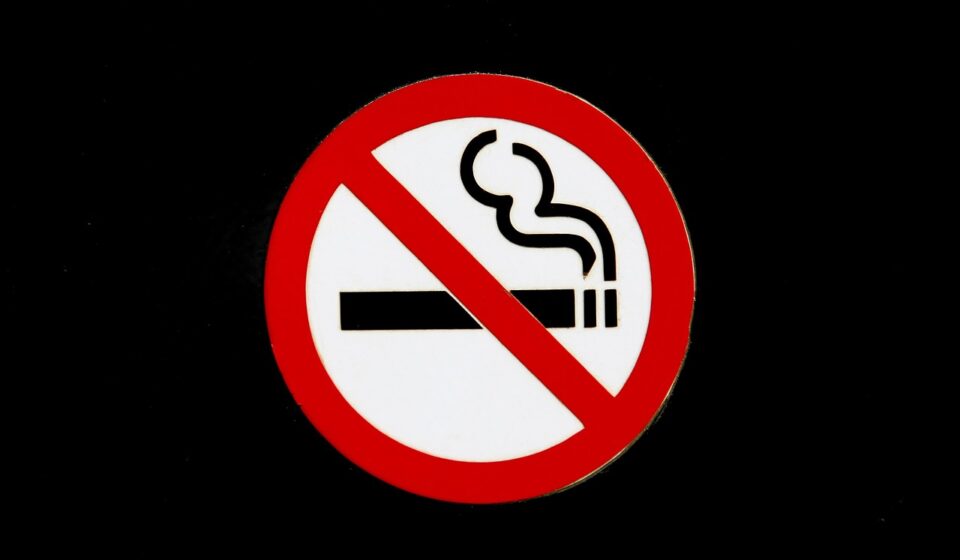
- Never eat, drink, smoke, apply cosmetics, or store personal food in the laboratory. These activities increase the chance of ingestion and cross-contamination.
- Wear appropriate PPE, but do not treat PPE as the only control. Lab coats, gloves, eye protection, face shields, respirators, and specialized garments must be selected for the hazard, not chosen by habit.
- Keep benches, floors, doors, eyewash stations, safety showers, and exits unobstructed. Clutter slows emergency response and increases spill, trip, and fire risk.
- Label all containers clearly. Secondary containers, prepared reagents, samples, waste containers, and temporary vessels need enough information to prevent misuse and unsafe disposal.
- Use containment for operations that can generate vapors, aerosols, splashes, dust, or pressure release. Examples include chemical fume hoods, biological safety cabinets, glove boxes, shields, sealed rotors, and secondary containment trays.
- Do not mouth pipette. Mechanical pipetting devices are the accepted control for liquid transfer.
- Keep hands away from the face and wash hands before leaving. Gloves reduce direct contact, but they can carry contamination to phones, keyboards, pens, doors, and skin.
- Report spills, exposures, injuries, equipment defects, and near misses promptly. Early reporting allows corrective action before a minor issue becomes a serious incident.
Chemical handling, storage, and waste rules
Know the chemical before opening the container
Chemical work should begin with identity, concentration, quantity, route of exposure, incompatibilities, required ventilation, and emergency actions. The label and safety data sheet should be reviewed before use, especially for corrosives, flammables, oxidizers, toxic materials, reproductive toxins, carcinogens, peroxide-forming chemicals, and substances with high acute toxicity. If the identity of a material is uncertain, it should not be used until it has been evaluated through the facility’s safety procedure.
Use compatible storage instead of alphabetical storage
Alphabetical chemical storage can place incompatible materials next to each other. A safer approach groups chemicals by compatibility: acids away from bases, oxidizers away from organics and reducers, flammables in suitable storage cabinets, water-reactive materials away from water sources, and highly toxic materials in secure designated areas. Secondary containment is important where leaks could spread, react, or contaminate other containers.
Control vapors, dust, splashes, and heat
Chemical fume hoods should be used for operations that may release hazardous vapors, gases, or aerosols. The sash should be positioned as required by local procedure, and the hood should not be used as long-term storage unless it is specifically designed and approved for that purpose. Open flames, hot plates, oil baths, and heating mantles require attention to ignition sources, unattended operation rules, and the thermal stability of the material being heated.
Manage waste at the point of generation
Waste rules should be simple enough to follow during active work. Containers should be compatible with the waste, closed when not in use, labeled with contents and hazard information, and kept in designated accumulation areas. Halogenated solvents, nonhalogenated solvents, acids, bases, heavy metal solutions, sharps, biohazardous waste, and broken glass may have different collection routes. When disposal rules are unclear, the safe action is to stop and ask the responsible safety contact before mixing waste streams.
PPE and engineering controls must work together
The safest laboratories do not rely on PPE alone. A standard hierarchy of controls starts with elimination or substitution where possible, then engineering controls, administrative controls, and PPE. For example, using a less hazardous solvent may reduce risk more effectively than adding thicker gloves. Running a volatile procedure in a functioning fume hood is more reliable than relying only on a respirator. Using a biological safety cabinet for aerosol-generating microbiology work is not the same as simply wearing a mask at the bench.
PPE selection should be specific. One glove material may resist a solvent while another fails quickly. Safety glasses may not provide the same splash protection as chemical goggles. A face shield can help protect the face during splash-prone work, but it is usually used with eye protection rather than as a replacement. Lab coats should be compatible with the hazard; flame-resistant coats may be needed where flammable materials and ignition sources are part of the operation.
Emergency equipment is part of the control system. Eyewash stations and safety showers should be easy to reach, visible, and free of stored items. Facilities commonly use ANSI/ISEA Z358.1-2014 (R2020) as a reference for emergency eyewash and shower equipment. OSHA guidance also emphasizes adequate safety showers, eyewash units, and fire extinguishers in laboratory areas. The practical rule for workers is straightforward: know the closest equipment location before starting hazardous work, and never block it.
Rules for biological samples, sharps, and contamination control
Biological safety rules depend on the agent, sample type, procedure, and containment level. The CDC/NIH BMBL framework describes biosafety as a combination of microbiological practices, safety equipment, and facility safeguards. In daily work, this means restricted access when required, correct use of biological safety cabinets, careful decontamination, safe centrifuge practices, and procedures that minimize aerosols.
Sharps deserve special attention because they create both injury and exposure risks. Needles, blades, broken glass, capillary tubes, and contaminated plastic can puncture gloves and skin. Rules should limit sharps where alternatives exist, prohibit recapping needles unless a validated safety procedure requires it, and require immediate disposal into approved sharps containers. Overfilled sharps containers are a preventable hazard and should be replaced before they reach the fill limit. See also: analytical methods.
Contamination control also applies to routine movement around the lab. Gloves used at the bench should not be used to touch clean door handles, phones, notebooks, elevator buttons, or office equipment. Work surfaces should be disinfected using a method appropriate to the biological material and required contact time. Hand hygiene should be performed after glove removal and before leaving the laboratory. If an exposure, splash, cut, or suspected release occurs, the event should be reported according to the laboratory’s response plan rather than handled informally.
Emergency readiness and incident reporting
Laboratory rules are incomplete if they only describe normal work. Everyone in the laboratory should know what to do when something goes wrong. Emergency readiness includes spill response, exposure response, evacuation, fire response, medical consultation, and communication. OSHA’s Laboratory Standard includes medical consultation and examination provisions for certain exposure situations, and it requires training so employees are aware of chemical hazards in their work area.
Spill response rules should define which spills trained workers may handle and which require evacuation or specialist response. A small spill of a familiar low-hazard solution is different from a mercury release, hydrofluoric acid spill, unknown powder, volatile toxic material, or infectious aerosol event. Spill kits should match the hazards present, and workers should know the limits of those kits.
Incident reporting should include near misses, not only injuries. A cracked centrifuge tube, blocked eyewash station, unlabeled bottle, unstable chemical shelf, repeated glove failure, or unexpected reaction provides information that can prevent future harm. A strong reporting culture avoids blame for good-faith reporting and focuses on correction: revise the procedure, improve storage, repair equipment, change training, or add engineering controls.
Build a checklist that people can actually follow
A laboratory checklist should be short enough for routine use and specific enough to catch real problems. Long generic checklists are often ignored. A better approach is to divide checks by timing: before work, during work, after work, weekly, and annually. OSHA’s Laboratory Standard requires covered Chemical Hygiene Plans to be reviewed and evaluated at least annually and updated as necessary. That annual review should not be a paperwork exercise; it should reflect new chemicals, new equipment, incident trends, personnel changes, and lessons learned.
| Timing | Practical checks |
|---|---|
| Before work | Confirm training, review the procedure, inspect PPE, check ventilation or containment, identify emergency equipment, and prepare labeled waste containers. |
| During work | Keep containers closed when possible, control aerosols and vapors, keep aisles clear, avoid distractions, and stop if conditions differ from the procedure. |
| After work | Label and store materials, close waste containers, clean and decontaminate surfaces, remove PPE correctly, wash hands, and record unusual observations. |
| Weekly or scheduled | Inspect storage areas, emergency access, spill supplies, eyewash visibility, housekeeping, waste accumulation, and equipment condition according to local policy. |
| Annual or change-driven | Review the Chemical Hygiene Plan, update standard operating procedures, reassess training, evaluate incidents, and verify that controls match current work. |
The goal is not to create more paperwork. The goal is to make safe behavior easier than unsafe shortcuts. Clear labels, available PPE, working containment, uncluttered benches, accessible emergency equipment, and realistic training reduce the gap between written rules and daily practice.
Frequently asked questions
What is the most important rule inside a laboratory?
The most important rule is to understand the hazard before starting work. Without that step, PPE, storage, ventilation, waste handling, and emergency planning become guesses. A trained worker should know what can go wrong, how exposure could occur, what controls are required, and what to do if the procedure does not go as planned.
Are general laboratory safety rules enough for compliance?
No. General rules are useful for orientation, but compliance usually depends on the jurisdiction, laboratory type, hazards present, and written local programs. In U.S. chemical laboratories covered by OSHA’s Laboratory Standard, a Chemical Hygiene Plan is a central requirement. Biological, radiological, animal, clinical, and fire safety requirements may add separate obligations.
How often should laboratory safety rules be reviewed?
Rules should be reviewed whenever work changes, after incidents or near misses, when new materials or equipment are introduced, and during scheduled safety reviews. For covered chemical laboratories, OSHA requires the Chemical Hygiene Plan to be reviewed and evaluated at least annually and updated as necessary.
Can PPE replace a fume hood or biological safety cabinet?
Usually, no. PPE is important, but it is often the last layer of protection. Engineering controls such as chemical fume hoods and biological safety cabinets are designed to reduce exposure at the source. If a procedure requires containment, wearing gloves and goggles alone does not provide the same level of control.
Why should near misses be reported if no one was hurt?
Near misses reveal weak points before they cause injuries, exposures, fires, or contamination events. Reporting a blocked shower, leaking container, unlabeled reagent, faulty centrifuge, or unstable storage shelf gives the laboratory a chance to correct the problem while the consequences are still limited.