Safety glasses in laboratory work and when to use goggles instead
The practical answer for lab eye protection
Safety glasses in laboratory work are appropriate only when they match the hazard. They can help protect against impact from small particles and may be suitable for routine low-splash tasks, but they do not seal to the face. That makes them a poor choice for chemical splashes, corrosive liquids, infectious droplets, pressure-related glass breakage or optical radiation unless the hazard assessment specifically supports their use. For many wet-chemistry tasks, indirectly vented chemical splash goggles are the more suitable primary eye protection. For higher-risk splash, cryogenic, pressurized, vacuum or potentially explosive work, goggles are often paired with a face shield.
The eyewear decision should be made by task, not by habit. A laboratory eye protection program needs to consider the chemical, physical, biological and optical hazards present, then match the eyewear to those conditions. For more practical PPE topics, see the laboratory safety section.
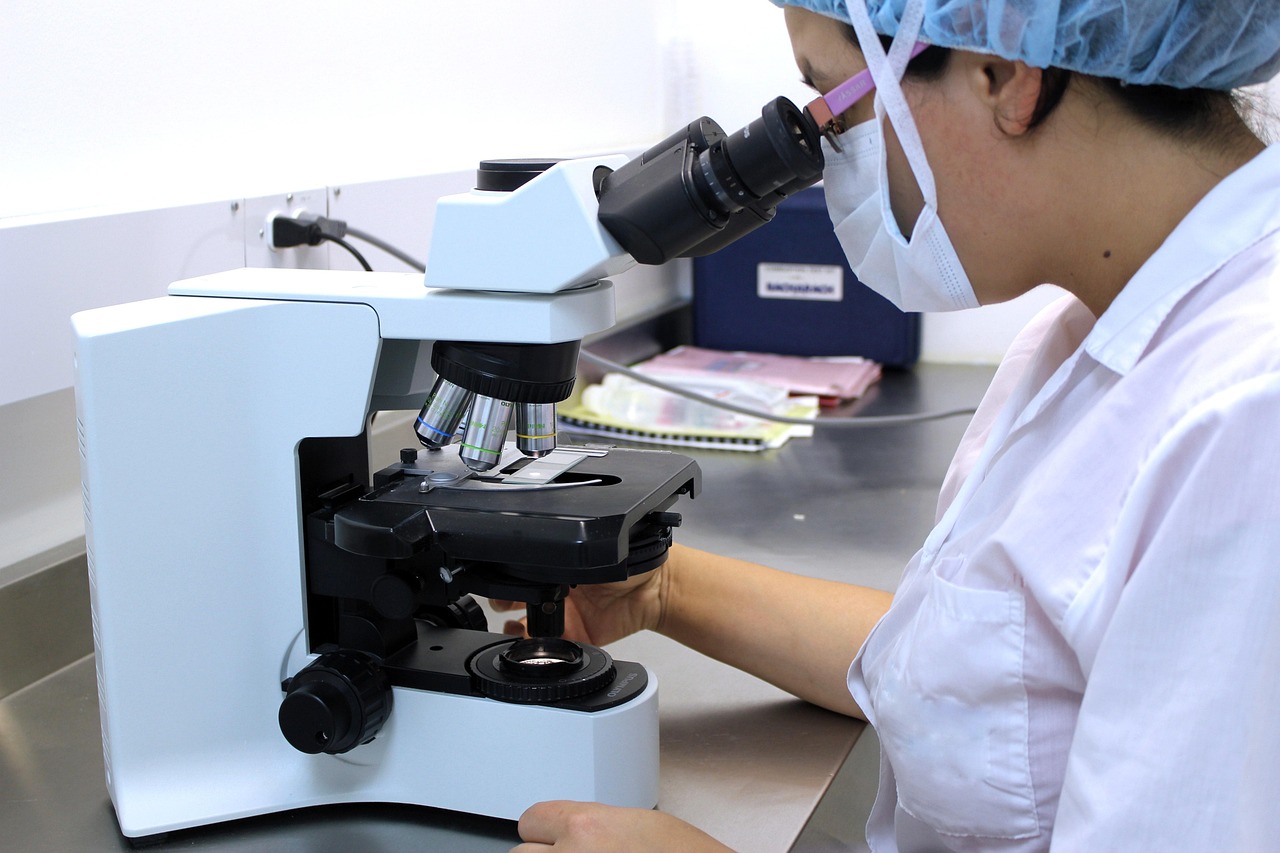
Safety glasses, goggles and face shields are not interchangeable
Laboratory workers sometimes use the terms safety glasses, goggles and face shields as if they mean the same thing. They do not. Each device has a different protective role, and the difference matters most when a hazard can enter from the side, above, below or around the lens.
Safety glasses are spectacles made for occupational eye protection. Models with side shields can reduce impact risk from chips, fragments and particles. They may be reasonable for dry handling, weighing nonhazardous materials, working near but not directly with low-risk equipment, or entering a controlled lab area where only basic eye protection is required. Their main limitation is the gap between the lens and the face. A splash can travel behind the lens, especially during pouring, mixing, pipetting, centrifuge loading, cleaning or spill response.
Chemical splash goggles enclose the eye area more completely. Indirectly vented or non-vented goggles are commonly used when splashes, sprays, droplets, corrosives or irritating liquids are possible. National Academies guidance in Prudent Practices in the Laboratory notes that safety glasses provide little protection against chemical splashes and recommends chemical splash goggles for splash hazards. CDC/NIOSH infection-control guidance also distinguishes goggles from safety glasses because goggles fit more closely around the eyes.
Face shields protect more of the face, but they are usually secondary protection rather than a replacement for eyewear. OSHA and laboratory safety guidance commonly treat face shields as an added layer over safety glasses or goggles. This distinction is important because liquid or particles can move around the shield edge. If the hazard is a corrosive splash, a face shield alone should not be treated as full eye protection.
Specialized eyewear is required for hazards such as lasers, ultraviolet lamps, infrared sources, welding, intense visible light or high-energy impact. Ordinary clear laboratory glasses should not be used for optical radiation unless the lens is specifically selected for the wavelength and exposure level.
How OSHA and ANSI affect laboratory eyewear choices in 2026
In U.S. workplaces, OSHA’s eye and face protection rule, 29 CFR 1910.133, requires employers to ensure appropriate protection when workers are exposed to eye or face hazards such as flying particles, liquid chemicals, acids, caustic liquids, chemical gases or vapors, and potentially injurious light radiation. OSHA’s laboratory standard, 29 CFR 1910.1450, also requires a Chemical Hygiene Plan for covered laboratories, including criteria for control measures such as PPE.
For eyewear performance, ANSI/ISEA Z87.1 is the central U.S. consensus standard used for occupational and educational eye and face protection devices. As of September 2026, OSHA’s 29 CFR 1910.133 regulatory text lists ANSI/ISEA Z87.1-2010, ANSI Z87.1-2003 and ANSI Z87.1-1989 (R-1998), or devices shown by the employer to be at least as effective. ISEA announced the publication of ANSI/ISEA Z87.1-2025 on January 8, 2026, describing updates to product markings, impact language, lens performance and coverage requirements. The practical compliance point is that safety managers should read the applicable OSHA rule, state-plan requirements, institutional policy and procurement specifications rather than assuming that the newest consensus edition automatically replaces regulatory text.
Markings matter because marketing language is not enough. A product described online as “lab glasses” or “chemical resistant” should still be checked for manufacturer identification, Z87 markings and hazard-specific markings. In ANSI/ISEA marking systems, splash and droplet protection is commonly indicated with D3, while dust and fine dust protections use D4 and D5. A pair of spectacles marked only for impact should not be assumed to protect against liquid chemical splash.
A hazard-based selection table for laboratory eye protection
The most useful way to decide between safety glasses and goggles is to start with the task. The table below is a practical selection framework. It does not replace a formal hazard assessment, safety data sheet review, institutional rule or manufacturer instruction, but it shows why one style rarely fits every laboratory activity.
| Laboratory task or hazard | Why safety glasses may fall short | More suitable eye and face protection |
|---|---|---|
| Pouring, mixing or transferring hazardous liquids | Liquid can enter through side, top or bottom gaps. | Indirectly vented chemical splash goggles; add a face shield for larger volumes or corrosives. |
| Working with acids, caustics or strong oxidizers | Corrosive droplets can cause rapid tissue damage. | Chemical splash goggles plus face shield where splash severity is credible. |
| Using glassware under vacuum or pressure | Impact and splash can occur together if glass fails. | Impact-rated goggles, shielded apparatus and a face shield when line-of-sight exposure remains. |
| Centrifuge tube loading or opening after imbalance | Aerosol, droplet or fragment release may occur near the face. | Goggles or task-specific eye protection based on biological or chemical contents. |
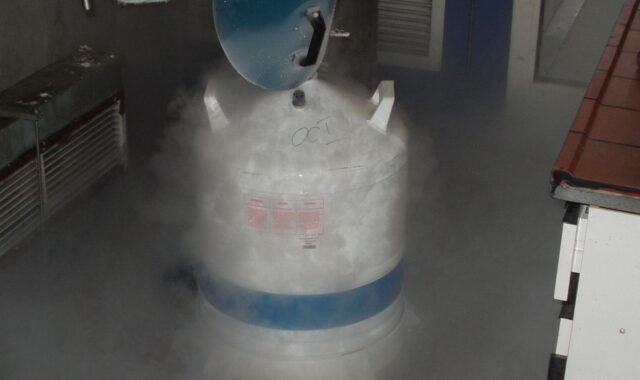
| Handling cryogenic liquids | Cold splash can injure eyes and surrounding tissue. | Goggles plus a face shield, along with cryogenic gloves and protective clothing. |
| Grinding, drilling, cutting or working with fragments | Basic spectacles may not provide enough impact coverage. | Impact-rated safety glasses with side protection, goggles or a face shield over primary eyewear depending on energy and direction. |
| UV, laser, IR or intense light exposure | Clear impact eyewear does not necessarily filter hazardous wavelengths. | Optical-radiation eyewear selected for the specific wavelength, power and exposure conditions. |
| Routine low-risk observation in a controlled teaching lab | Risk depends on what others nearby are doing. | Safety glasses may be acceptable if the hazard assessment allows; goggles if splash work is active in the room. |
Fit, visibility and maintenance decide whether protection works
Even correctly specified eyewear can fail in practice if it is uncomfortable, fogged, scratched or incompatible with other PPE. CDC/NIOSH emphasizes that eye protection should fit securely, provide coverage and allow adequate peripheral vision. In a laboratory, this is not only a comfort issue. If eyewear fogs during a transfer, the worker may lift it at the worst possible moment.
Fit should be checked on the actual wearer, not only on the product label. A goggle that seals well on one face may leave a gap on another. Straps should hold the device without shifting when the worker looks down, turns to reach equipment or bends toward a hood sash. If respirators, masks, hard hats, hearing protection or prescription eyewear are also required, the full PPE combination should be checked before the task begins. See also: analytical methods.
Prescription eyewear needs special attention. Ordinary prescription glasses are not laboratory safety glasses unless they are designed and marked as protective eyewear. They also do not seal against splash. Many goggles fit over prescription glasses, and some programs use prescription inserts. When tight-fitting full-face respirators are used, prescription inserts may be needed to avoid breaking the respirator seal.
Reusable goggles and face shields should be cleaned, disinfected when needed and stored where lenses will not be scratched. Damaged, cloudy or chemically attacked lenses reduce visibility and may reduce protection. Elastic straps, vents, seals and face-shield headgear should be inspected because a small failure can create a large exposure gap.
Common mistakes that leave eyes exposed
Several recurring mistakes explain why laboratory eye protection can be weaker than it looks on paper.
- Using impact glasses for splash work. Impact protection and splash protection are different claims. If liquid splash is credible, use goggles or eyewear specifically rated and selected for that hazard.
- Wearing a face shield without primary eye protection. A shield can protect the face, but splashes and particles may travel around its edges. Use it over goggles or safety glasses as the task requires.
- Relying on contact lenses or prescription glasses. CDC/NIOSH states that regular prescription glasses and contact lenses do not provide enough eye protection. NIOSH guidance allows contact lens use in chemical environments when safety guidelines are followed, but contact lenses do not replace goggles or safety glasses.
- Ignoring nearby work. A person who is not handling chemicals may still be exposed if another worker is pouring corrosives, opening pressure vessels or cleaning a spill nearby. Some labs require all occupants to use goggles when splash work is active.
- Choosing eyewear only by price or appearance. A comfortable frame is valuable, but the markings, fit and hazard match determine whether the eyewear belongs in the procedure.
- Not planning eyewash response. OSHA requires suitable quick drenching or flushing facilities where eyes or body may be exposed to injurious corrosive materials. Eyewear reduces risk, but it does not remove the need for accessible emergency eyewash equipment and training.
A practical lab eyewear checklist
Before a procedure starts, use a short checklist to make the decision visible and repeatable:
- Identify whether the task has impact, splash, droplet, dust, biological, cryogenic, pressure, vacuum, heat or optical-radiation hazards.
- Review the safety data sheet, written procedure and institutional PPE rule for the materials and operation.
- Choose safety glasses only when the hazard assessment supports them; choose goggles when splash, droplets or tight coverage are needed.
- Add a face shield when the face and neck need extra protection, especially for corrosives, larger liquid volumes, cryogens or pressure-related failures.
- Check ANSI/ISEA markings and manufacturer instructions for the claimed protection.
- Confirm fit with prescription eyewear, masks, respirators or other PPE worn during the task.
- Inspect lenses, seals, vents and straps before use, and replace damaged eyewear.
- Confirm that eyewash access and emergency procedures are understood before high-risk liquid work begins.
This approach makes the eyewear decision defensible. It also helps avoid the common but unsafe shortcut of treating all clear lenses as equivalent.
Frequently asked questions
Are safety glasses enough for a chemistry lab?
Sometimes, but not for all chemistry work. Safety glasses may be acceptable for low-risk impact or observation tasks if the lab’s hazard assessment allows them. For pouring, mixing, transferring or cleaning up hazardous liquids, chemical splash goggles are usually the more appropriate primary eye protection.
Do I need goggles if I already wear prescription glasses?
Yes, if the task requires splash or sealed eye protection. Ordinary prescription glasses are not a substitute for laboratory eye protection. Use goggles designed to fit over prescription glasses or use approved prescription safety eyewear or inserts according to the lab’s policy.
Can a face shield replace goggles?
Usually no. A face shield adds valuable protection for the face and neck, but it normally should be worn over primary eye protection. For splash hazards, that primary protection is often chemical splash goggles.
What does D3 mean on laboratory goggles?
D3 is commonly used in ANSI/ISEA marking systems to indicate splash and droplet protection. For laboratory liquid handling, a D3 marking can be a useful signal, but it should be considered together with the full product marking, fit, ventilation type and the hazard assessment.
Should contact lenses be banned in laboratories?
NIOSH has stated that available injury data do not support a blanket restriction on contact lens use in chemical environments when safety guidelines are followed. However, contact lenses do not protect the eyes. Contact lens users still need the same task-appropriate safety glasses, goggles or face protection required for everyone else.