Laboratory safety precautions for chemical and biological work
What laboratory safety precautions should cover
Laboratory safety precautions are most effective when they are tied to a defined task, a known hazard, and the people who may be exposed. A sound program reduces risk before work starts, during routine operations, and when something goes wrong. It begins with task-based risk assessment and then applies the hierarchy of controls: remove the hazard where possible, substitute a safer material or method, use engineering controls, define work practices, and select personal protective equipment as the final protective layer.
For laboratories working with chemicals, biological materials, sharps, heat, pressure, electrical equipment, or regulated waste, precautions also need to cover labeling, storage, ventilation, training, emergency equipment, spill response, and waste segregation. This guide is intended for laboratory managers, safety coordinators, students, technicians, and purchasing teams that need a practical overview. It reflects commonly referenced guidance from OSHA, CDC/NIOSH, EPA, NFPA, and biosafety publications, but exact legal duties vary by country, state, institution, and type of work. For more laboratory instrument and safety topics, visit Wanggougou.com.
Start with a task-based risk assessment
The key safety question is not whether a laboratory is generally safe. It is whether a specific person can perform a specific procedure, using specific materials and equipment, under defined conditions, without unacceptable risk. That is why risk assessment should take place before a new experiment, method transfer, scale-up, maintenance task, student practical, or change in reagent concentration.
A practical assessment identifies material hazards, operation hazards, and the people who may be affected. Material hazards include toxicity, corrosivity, flammability, reactivity, infectious potential, allergens, and compressed gases. Operation hazards include heating, centrifugation, sonication, vacuum work, pressure vessels, cryogenic handling, aerosol generation, glassware breakage, and use of sharps. People at risk may include the worker, nearby staff, cleaners, waste handlers, emergency responders, and visitors.
For chemical work in the United States, OSHA’s Laboratory Standard uses the Chemical Hygiene Plan as the central planning document for procedures, equipment, personal protective equipment, work practices, responsibilities, and additional protections for particularly hazardous substances. OSHA also expects employers to review and evaluate that plan at least annually and update it as needed. Even outside the United States, the same principle is useful: precautions should be documented, assigned, trained, and reviewed rather than left to informal memory.
Use the hierarchy of controls
CDC/NIOSH describes the hierarchy of controls as the preferred order for reducing exposure. In a laboratory, this helps prevent overreliance on gloves and goggles when a safer design or method is available.
| Control level | Laboratory example | What to verify |
|---|---|---|
| Elimination | Do not perform an unnecessary hazardous step. | The method still meets scientific or quality requirements. |
| Substitution | Use a less hazardous solvent, smaller quantity, or premade dilute solution. | The substitute does not introduce a new incompatibility or waste problem. |
| Engineering controls | Use a chemical fume hood, biological safety cabinet, guards, shields, or local exhaust. | The device is appropriate, certified where required, and used correctly. |
| Administrative controls | Use written SOPs, training, restricted access, signage, and approval for higher-risk work. | Workers understand the limits and supervisors check compliance. |
| PPE | Wear suitable eye protection, gloves, lab coat, face protection, or respiratory protection when required. | PPE matches the hazard and does not replace better controls. |
Control chemical exposure and fire risk
Chemical safety starts with knowing what is in the room and what can happen when materials are mixed, heated, pressurized, spilled, or stored for long periods. OSHA’s Hazard Communication Standard requires chemical hazards to be communicated through labels, safety data sheets, and worker information and training. In daily laboratory work, that means routine users should know how to read the label, locate the SDS, identify key hazards, and understand first-aid, storage, incompatibility, and spill information before use.
Good laboratory safety precautions for chemicals include keeping containers closed when not in use, labeling secondary containers, dating materials that can degrade or form peroxides, and avoiding chemical storage by alphabet alone. Store flammable liquids in approved cabinets where required, segregate acids from bases, keep oxidizers away from organics and reducers, and separate water-reactive chemicals from sinks, aqueous waste, and sprinkler exposure. Compressed gas cylinders need restraints, compatible regulators, valve protection during transport, and clear labeling for full, in-use, and empty status.
Ventilation must match the hazard. A chemical fume hood is intended to capture and exhaust hazardous vapors, gases, and aerosols when the sash is kept at the correct working height and airflow is not blocked by clutter. A biological safety cabinet is not a substitute for a chemical fume hood unless it is specifically designed and exhausted for the chemical hazard involved. Open bench work may be reasonable for low-risk, low-volatility materials, but it is not appropriate for volatile toxics, strong corrosives, or procedures likely to create aerosols or fumes.
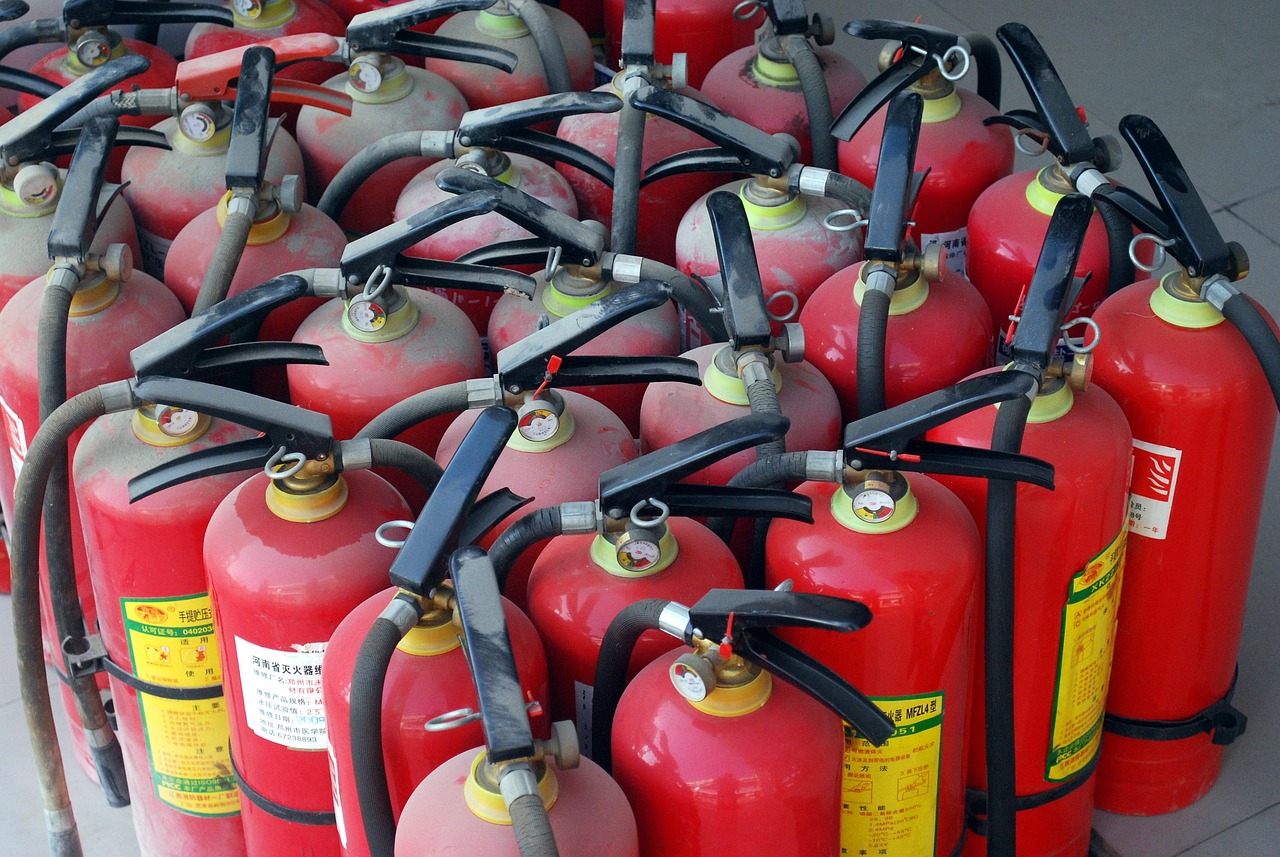
Fire protection is part of chemical control. NFPA 45 addresses fire protection for laboratories using chemicals, while institutional fire codes and local authorities determine specific limits and design requirements. A cautious laboratory keeps only needed quantities at the bench, controls ignition sources, maintains clear egress paths, and ensures that emergency shutoffs, alarms, extinguishers, and safety showers are not blocked by storage or equipment.
Choose PPE after the hazard is understood
PPE is essential, but it should not be selected by habit. The right glove for a dilute buffer may be the wrong glove for a solvent, strong acid, oxidizer, cryogen, or biological specimen. Chemical glove selection should consider permeation, degradation, breakthrough time, cuff length, thickness, dexterity, and whether double gloving is needed. Workers should also know when gloves must be removed to avoid contaminating phones, keyboards, door handles, notebooks, and shared instruments.
Eye and face protection should match splash, impact, dust, optical radiation, or thermal hazards. Safety glasses protect against limited impact and low-level splash. Chemical splash goggles provide more complete eye coverage. Face shields add face protection, but generally do not replace goggles when liquid splash to the eyes is possible. Lab coats should also fit the work: flame-resistant coats may be needed around pyrophoric or flammable hazards, while disposable gowns may be used for some biological or contamination-control tasks.
Respirators require more than purchase and use. Where respirators are required, many jurisdictions and institutions require medical evaluation, fit testing, cartridge selection, training, and a written respiratory protection program. If a routine procedure appears to require a respirator because vapors or aerosols are not otherwise controlled, the first question should be whether the method, enclosure, or ventilation can be improved.
Separate biological, sharps, and waste controls from chemical controls
Biological safety requires its own risk assessment. The CDC and NIH Biosafety in Microbiological and Biomedical Laboratories guidance emphasizes that containment depends on practices, safety equipment, and facility safeguards. A low-risk teaching organism, a diagnostic specimen, a human cell line, a recombinant material, and an animal pathogen may require very different precautions even if they are handled in the same laboratory.
Common biological precautions include restricting access during work, using appropriate containment for aerosol-generating procedures, decontaminating work surfaces, washing hands after glove removal, and transporting cultures or specimens in closed, leak-resistant containers. Sharps need separate attention because an injury can combine physical trauma with chemical, biological, or radiological exposure. Needles, blades, Pasteur pipettes, broken glass, and microtome blades should be minimized where possible and disposed of in puncture-resistant containers designed for the waste stream.
Waste is not one category. Chemical waste, biohazardous waste, sharps waste, radioactive waste, mixed waste, and ordinary trash may have different containers, labels, accumulation limits, treatment methods, and disposal vendors. EPA hazardous waste rules, state regulations, and institutional procedures can be highly specific. Safe practice is to label waste at the point of generation, keep containers closed except when adding waste, use compatible containers and secondary containment, and never mix unknown or incompatible waste streams to save space.
Make emergency readiness part of routine work
Emergency controls fail when they are treated as background equipment. Eyewashes, safety showers, spill kits, alarms, phones, emergency numbers, exits, first-aid supplies, fire extinguishers, and shutoff valves must be visible, accessible, and checked on a defined schedule. Where corrosive materials can injure the eyes or body, OSHA requires suitable facilities for quick drenching or flushing in the work area in U.S. workplaces. Many laboratories use ANSI/ISEA eyewash and shower criteria as the practical benchmark for location, flow, and sustained flushing performance.
Workers should know what they are authorized to clean up and what must be escalated. A small spill of a familiar, low-toxicity buffer is different from a spill involving mercury, hydrofluoric acid, infectious material, flammable solvent near ignition sources, unknown powder, or a release outside the fume hood. Spill response training should define evacuation triggers, notification steps, PPE, absorbents, neutralizers if allowed, waste packaging, and incident documentation.
Emergency planning should also cover equipment failures. Power loss can affect freezers, incubators, ventilation, alarms, and access control. Vacuum pump failure can release vapors or oil mist. A centrifuge imbalance can create aerosols and mechanical damage. A stuck regulator, blocked exhaust, leaking water line, or cracked pressure vessel can quickly become a safety event. The safest laboratories assign ownership for critical equipment checks and keep maintenance, certification, and incident records available.
A practical checklist for daily laboratory work
A checklist should not replace judgment, but it can prevent common omissions. Before beginning work, confirm that the procedure is approved, the hazards are known, the SDS or biosafety information is available, and the required controls are working. Check that fume hood sashes, biological safety cabinet airflow, guards, shields, centrifuge rotors, and temperature controls are suitable for the task.
- Wear task-appropriate PPE and remove contaminated PPE before leaving the work area.
- Label all active containers, samples, and waste containers clearly.
- Keep incompatible chemicals and waste streams separated.
- Use secondary containment when moving hazardous liquids or breakable containers.
- Do not work alone on higher-risk operations unless the procedure and supervision plan allow it.
- Keep aisles, exits, eyewashes, showers, electrical panels, and fire equipment unobstructed.
- Report spills, near misses, injuries, damaged equipment, and unusual odors promptly.
- Clean the workspace and secure materials before leaving the laboratory.
Supervisors should also look for weak signals: unlabeled bottles, expired peroxide formers, crowded fume hoods, blocked vents, glove use outside the lab, waste containers left open, missing training records, and repeated near misses. These signs often appear before a serious incident.
Frequently asked questions
What are the most important laboratory safety precautions?
The most important precautions are risk assessment, hazard elimination or substitution where possible, effective engineering controls, clear procedures, training, appropriate PPE, correct labeling and storage, waste segregation, and emergency readiness. PPE matters, but it should not be the only control.
How often should laboratory safety procedures be reviewed?
Procedures should be reviewed whenever materials, equipment, scale, staffing, or methods change. For U.S. chemical laboratories covered by OSHA’s Laboratory Standard, the Chemical Hygiene Plan must be reviewed and evaluated at least annually and updated as necessary.
Is a fume hood the same as a biological safety cabinet?
No. A chemical fume hood is mainly used to control hazardous chemical vapors, gases, and fumes by exhausting them away from the worker. A biological safety cabinet is designed for biological containment and for product or personnel protection depending on class and type. Using the wrong enclosure can create exposure, contamination, or fire risk.
Can all laboratory waste go into one container?
No. Waste must be segregated by hazard and disposal route. Chemical, biological, sharps, radioactive, mixed, and ordinary waste can have different rules. Mixing incompatible or unknown waste may create heat, pressure, toxic gas, fire, or disposal violations.
Why are near misses important in laboratory safety?
A near miss shows that a control almost failed or that a hazard was not fully understood. Reporting and reviewing near misses helps laboratories fix weak procedures, training gaps, equipment problems, and storage issues before an injury, exposure, fire, or release occurs.