Laboratory safety practices that reduce everyday risk
A practical view of laboratory safety
Laboratory safety is not a wall poster or a once-a-year training exercise. It is a working system for identifying hazards before work starts, selecting controls that reduce exposure, confirming that equipment functions as intended, and preparing workers to respond when conditions change. In chemical, biological, clinical, academic and industrial laboratories, routine risk can come from hazardous substances, aerosols, sharps, pressure, heat, cold, electricity, moving parts and human error. Strong programs rely on written procedures, the hierarchy of controls, active supervision and regular review, not only on personal protective equipment.
For U.S. laboratories, important reference points include OSHA’s Laboratory Standard, OSHA’s Hazard Communication Standard, NIOSH guidance on the hierarchy of controls, CDC/NIH biosafety guidance, and NFPA fire protection standards for laboratories using chemicals. Local regulations, institutional policies and the specific work being performed still determine the final requirements.
Start with risk assessment, not a checklist
A checklist can confirm that visible items are in place, but it cannot replace a risk assessment. A useful assessment starts with the actual task: what material is being handled, how much is being used, what energy is involved, what could be released, who could be exposed, and what would happen if a step fails. This is especially important in research and development laboratories, where methods may change faster than formal manuals.
The American Chemical Society’s laboratory safety guidance emphasizes identifying and evaluating hazards before work begins. In practice, that means asking specific questions instead of approving a procedure simply because it resembles work done before.
- What are the chemical, biological, physical and equipment hazards?
- Can a less hazardous material, smaller scale or lower-energy method be used?
- Could the procedure generate vapor, dust, aerosols, heat, pressure or flammable mixtures?
- Are incompatible materials separated during use, storage and waste collection?
- Does the task require prior approval, a designated area or another person nearby?
- What signs would show that the control has failed?
- What spill, exposure, fire or equipment failure response is realistic for this room?
A strong laboratory safety review also considers routine drift. A procedure that is reasonable at milligram scale may not be acceptable at liter scale. A centrifuge may be suitable for sealed, intact tubes but not for damaged tubes, poor balancing or unknown biological samples. A fume hood may control vapors when the sash is positioned correctly, but performance can suffer if the sash is too high or clutter blocks airflow. Risk assessment should therefore be repeated when scale, material, equipment, staffing or room conditions change.
Use the hierarchy of controls before relying on PPE
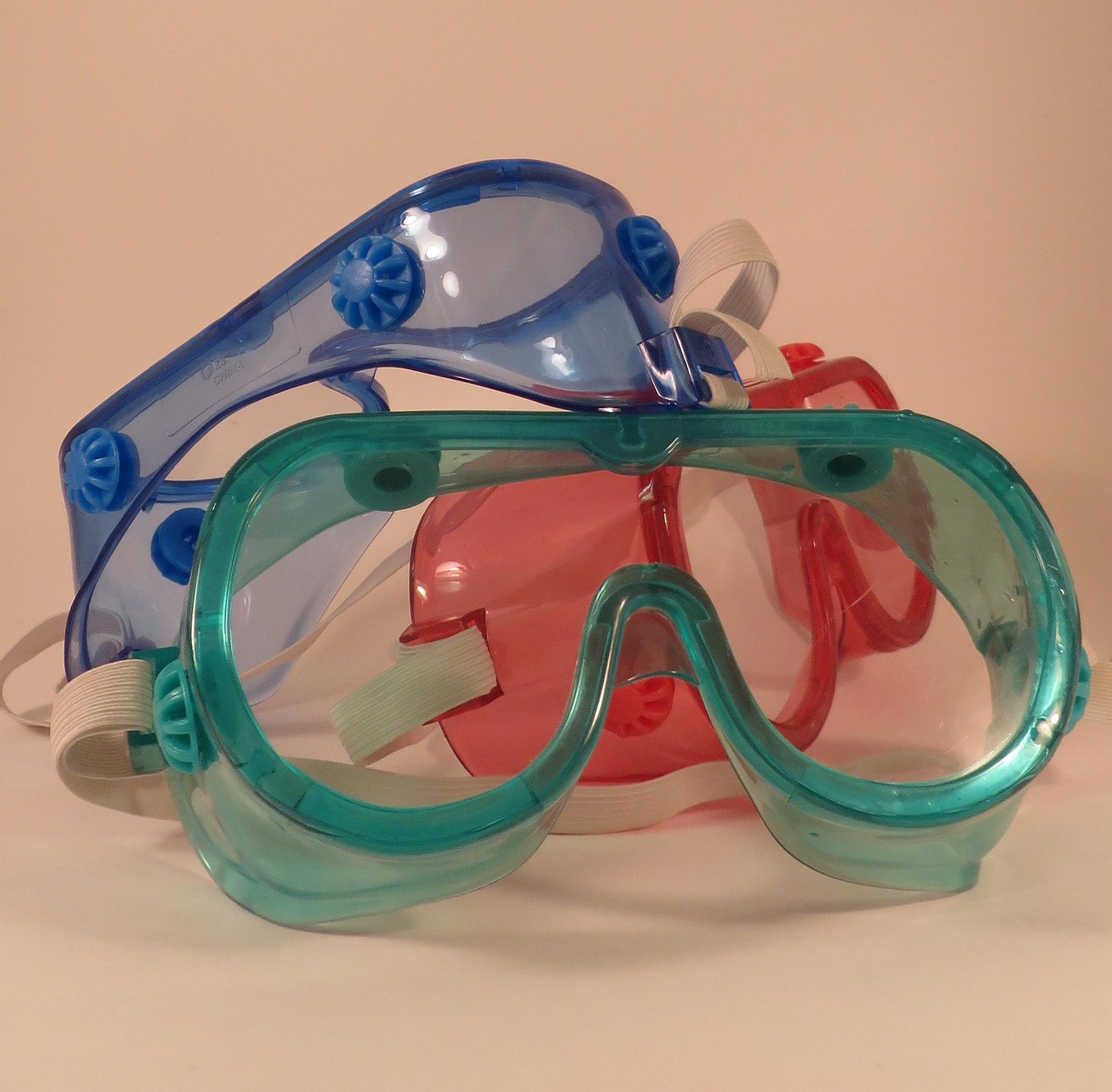
NIOSH describes the hierarchy of controls as a preferred order for reducing workplace exposure: elimination, substitution, engineering controls, administrative controls and personal protective equipment. For laboratories, the key point is that PPE is not the first design choice. Gloves, goggles and lab coats are important, but they depend on correct selection, fit, condition and behavior. Higher-level controls reduce the likelihood that a person will be exposed in the first place.
| Control level | Laboratory example | Why it matters |
|---|---|---|
| Elimination | Remove an unnecessary toxic reagent or stop using a high-pressure step | The hazard is no longer present in that task |
| Substitution | Use a less hazardous solvent, smaller volume or safer analytical method | Risk is reduced before exposure controls are needed |
| Engineering controls | Use a chemical fume hood, biosafety cabinet, shielding, interlock or local exhaust | The control is built into equipment or the workspace |
| Administrative controls | Require SOPs, restricted access, labeling, training, scheduling and supervision | Work practices reduce frequency, duration or severity of exposure |
| PPE | Use suitable gloves, eye protection, face protection, lab coats and respirators when required | PPE helps protect the worker but depends on correct and consistent use |
The hierarchy also helps with purchasing decisions. A low-cost instrument or storage cabinet may become expensive if it creates manual handling problems, poor containment, difficult cleaning or repeated dependence on PPE. A well-selected enclosure, shield, alarm or interlock can reduce long-term risk more effectively than adding another instruction to an already crowded SOP.
Chemical hygiene and hazard communication
In U.S. workplaces where hazardous chemicals are used in laboratories, OSHA’s Laboratory Standard, 29 CFR 1910.1450, requires employers to develop and carry out a written Chemical Hygiene Plan. The plan must address procedures, equipment, personal protective equipment and work practices capable of protecting employees from the health hazards of hazardous chemicals used in that workplace. OSHA also requires the plan to be readily available to employees and their representatives.
A Chemical Hygiene Plan is most useful when it reflects the actual laboratory rather than a generic template. At a minimum, it should describe standard operating procedures, criteria for control measures, steps for confirming that fume hoods and protective equipment work properly, information and training provisions, circumstances requiring prior approval, and provisions for medical consultation when required.
| Document or control | What to verify |
|---|---|
| Safety data sheets | Current hazard classification, exposure controls, incompatibilities, storage and emergency measures |
| Container labels | Chemical identity, hazard communication, date-sensitive information and legibility |
| SOPs | Task-specific steps, scale limits, required controls, waste handling and emergency response |
| Fume hood records | Performance checks, sash guidance, airflow alarms and restrictions on storage inside the hood |
| Training records | Initial training, task-specific instruction, new hazard updates and refresher evidence |
Hazard communication needs ongoing attention because chemical labels and safety data sheets can change. OSHA’s 2024 Hazard Communication Standard final rule was published on May 20, 2024 and took effect on July 19, 2024, with phased transition dates extending for certain mixture-related employer updates into January 2028. During the transition period, laboratories should watch for revised supplier labels, updated SDS language and new internal training needs. This does not replace the Chemical Hygiene Plan; it supports the plan by improving how hazard information is communicated.
Biological, physical and equipment hazards need separate controls
Biological work depends on protocol-driven containment
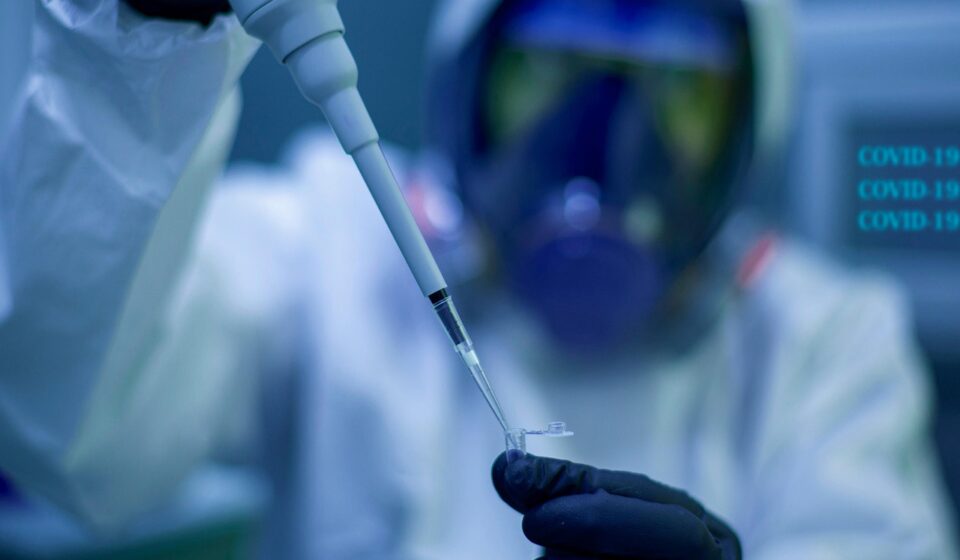
CDC and NIH publish Biosafety in Microbiological and Biomedical Laboratories, commonly known as BMBL. The sixth edition describes itself as advisory guidance rather than a regulation, and it emphasizes protocol-driven risk assessment. That distinction matters: a biosafety level is not selected from the organism name alone. The procedure, concentration, volume, route of exposure, aerosol potential, worker competence and facility features all affect the containment decision.
Biosafety levels range from BSL-1 to BSL-4, with each level adding practices, safety equipment and facility controls. Many teaching and routine diagnostic activities occur at lower containment levels, while work involving higher-risk agents requires more stringent consideration of access, ventilation, respiratory protection, waste handling and medical surveillance. Laboratories should not treat a biological safety cabinet, a chemical fume hood and a clean bench as interchangeable equipment. They are designed for different hazards and airflow goals.
Physical and equipment hazards are not secondary risks
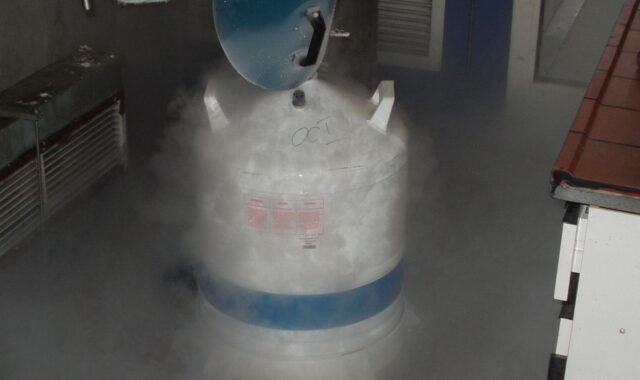
Many common laboratory incidents involve equipment and physical energy rather than unusual chemicals. Autoclaves combine heat, steam and pressure. Centrifuges introduce stored rotational energy and potential aerosol release if tubes fail. Cryogens can cause cold burns and oxygen displacement. Compressed gas cylinders can become high-energy projectiles if valves are damaged. Electrical equipment can introduce shock, arc, fire and ignition hazards, especially near liquids or flammable vapors.
Controls should match the hazard. Autoclave programs need loading rules, heat-resistant gloves, face and eye protection, maintenance and training. Centrifuge safety requires rotor inspection, compatible tubes, balancing, sealed buckets for infectious materials and procedures for waiting after suspected breakage. Cryogen areas require ventilation, compatible containers, oxygen deficiency awareness where relevant and face protection during transfer. These controls may look routine, but they help prevent high-severity events.
Build safety into laboratory design and purchasing
Laboratory safety improves when equipment, layout and workflow are considered before a room is filled with instruments. Fire protection, ventilation, emergency washing equipment, electrical load, chemical storage, waste routes and access control should be part of the design discussion. NFPA 45 addresses fire protection for laboratories using chemicals, and many organizations use it alongside building codes, insurer requirements and internal engineering standards.
Design choices shape daily behavior. If flammable cabinets are too far from the work area, bottles may accumulate on benches. If emergency eyewash stations are blocked by carts or stored boxes, response time is compromised. If a fume hood is used for long-term storage, airflow and working space suffer. If instruments are installed without clearance for maintenance, technicians may bypass guards or work in awkward positions.
Equipment selection should also account for cleaning, calibration, maintenance and end-of-life disposal. A balance enclosure, cabinet, incubator, freezer, centrifuge or analytical instrument is not only a purchase item; it becomes part of the safety system. Before buying or relocating equipment, confirm whether the room has appropriate ventilation, electrical supply, drainage, floor loading, alarm response, spill control and user training. For related laboratory equipment and safety notes, visit wanggougou.com.
Training, inspections and incident readiness
Training is effective when it is tied to the work people actually perform. New workers need general orientation, but they also need task-specific instruction for the chemicals, organisms, instruments and waste streams they will handle. Training should be updated when hazards change, procedures are revised, new equipment is installed or an incident shows that an assumption was wrong.
Inspections should look for system weaknesses, not just individual mistakes. Repeated unlabeled bottles may point to unclear transfer procedures. Blocked aisles may reflect inadequate storage capacity. Frequent glove misuse may mean glove selection charts are confusing or unavailable. A near miss during waste collection may show that waste containers, labels or pickup schedules do not match real use.
| Routine activity | Useful trigger | Evidence to keep |
|---|---|---|
| Safety walkthrough | Monthly, quarterly or after major process changes | Findings, corrective actions and closure dates |
| SOP review | New material, new scale, new equipment or incident | Revision history and approval record |
| Emergency equipment check | According to site procedure and applicable standard | Inspection tag, test log or maintenance record |
| Training update | New assignment, new hazard or procedural change | Attendance, topic, trainer and competency check |
| Incident review | Spill, exposure, injury, equipment failure or near miss | Root causes, lessons learned and prevention actions |
Incident readiness must be realistic. A spill plan that depends on equipment stored in another building is unlikely to work during an actual release. A fire response plan that no one has practiced can create hesitation. Clear emergency criteria should tell workers when to stop work, evacuate, seek medical attention, report a release and call emergency responders. The goal is not to blame people after an event; it is to learn early enough to prevent the next one.
Frequently asked questions
What is the most important laboratory safety rule?
No single rule covers every laboratory. The most important principle is to understand the hazard before starting work and to use controls that match the task. If the hazard, exposure route or equipment condition is unclear, stop and get competent review before proceeding.
Is PPE enough for laboratory safety?
PPE is necessary for many tasks, but it should not be the only control when higher-level controls are feasible. The hierarchy of controls places elimination, substitution and engineering controls above PPE because they reduce exposure before it reaches the worker.
How often should a laboratory safety plan be updated?
A safety plan should be reviewed on a defined schedule and whenever work changes. New chemicals, biological agents, instruments, procedures, scale changes, room modifications, incidents and near misses are all reasons to review the plan before the next similar task.
What is the difference between a fume hood and a biosafety cabinet?
A chemical fume hood is generally used to help control exposure to chemical vapors, gases and aerosols by exhausting air away from the worker. A biological safety cabinet is designed for biological containment and uses controlled airflow and filtration. Selection depends on the hazard, and the two devices should not be substituted for each other without safety review.
Conclusion
Effective laboratory safety is a practical management system. It starts with task-based risk assessment, applies the hierarchy of controls, keeps chemical hygiene and biosafety documentation current, verifies that equipment works as intended, and trains people for both routine work and abnormal conditions. Laboratories that treat safety as part of experimental design, purchasing and daily supervision are better positioned to reduce injuries, exposures, property damage and work disruption.