Laboratory safety equipment guide for chemical and biological labs
What laboratory safety equipment should actually do
Laboratory safety equipment is not a standard kit that every room can copy. It is a layered system chosen from a documented hazard assessment: engineering controls to reduce exposure, personal protective equipment to protect the worker, emergency equipment to limit injury after an incident, and storage or response tools to control releases.
In chemical laboratories, core items often include fume hoods, compatible gloves, eye and face protection, lab coats, eyewash and shower access, fire extinguishers, flammable or corrosive storage, and spill supplies. In biological laboratories, biosafety cabinets, decontamination equipment, sharps controls, handwashing facilities, and biosafety-level-appropriate PPE become central. The practical question is not what a lab should buy in general. It is which equipment controls the credible hazards of this specific work.
Start with the hazard assessment, not the catalog
A useful laboratory safety equipment plan starts with the work being performed. OSHA’s laboratory and PPE requirements emphasize assessing hazards, selecting appropriate protective equipment, communicating the selection, and ensuring proper fit and condition. In practice, the lab should map equipment to tasks rather than list equipment by room.
Chemical hazards
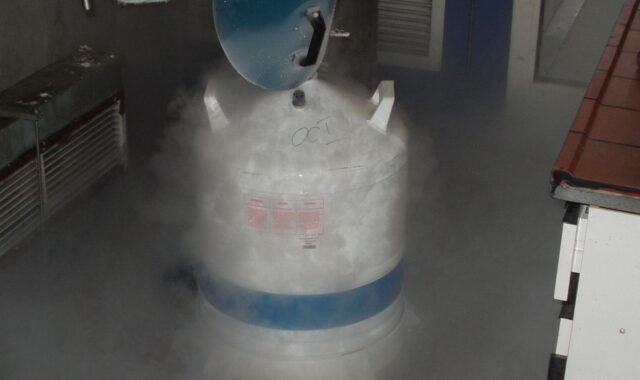
Chemical work requires attention to the route of exposure. Vapors, aerosols, splashes, corrosive contact, flammability, peroxide formation, pressure reactions, cryogens, and toxic powders point to different controls. A fume hood may be appropriate for volatile or airborne chemical hazards. Splash-prone corrosive transfers may require goggles, a face shield, compatible gloves, a lab coat or apron, and reliable eyewash or shower access.
Biological hazards
Biological work should be evaluated through biosafety risk assessment. The CDC and NIH Biosafety in Microbiological and Biomedical Laboratories, 6th edition, commonly called BMBL, remains an advisory best-practice reference and is built around protocol-driven risk assessment. The assessment should consider the organism or material, concentration, procedure, potential aerosol generation, worker competency, and available containment.
Physical and operational hazards
Many incidents do not begin with an unusual hazard. Centrifuges, compressed gas cylinders, hot surfaces, needles, broken glass, electrical devices, lasers, vacuum systems, and moving equipment create routine risks. The equipment plan should therefore include guards, shields, restraints, secondary containment, signage, waste containers, sharps containers, and inspection records where the work requires them.
Core categories of laboratory safety equipment
The most defensible approach is to group laboratory safety equipment by function. This helps avoid a common error: buying more PPE while overlooking higher-level controls such as containment, ventilation, substitution, or improved work practices.
| Equipment category | Main purpose | Selection questions | Common limitation |
|---|---|---|---|
| PPE | Protects the worker from residual exposure | What route of exposure remains after controls are used? | Can fail through poor fit, wrong material, contamination, or misuse |
| Ventilation and containment | Captures or contains airborne hazards | Is the hazard chemical vapor, biological aerosol, dust, or another emission? | One device is not suitable for every hazard |
| Emergency eyewash and showers | Provides immediate flushing after exposure | Could eyes or skin be exposed to injurious corrosive or hazardous material? | Blocked, untested, or poorly located units may not help in an emergency |
| Fire and emergency response | Supports evacuation, alarm, and incipient response | What fire classes and emergency procedures apply? | Requires training and clear limits on when not to fight a fire |
| Spill and decontamination supplies | Limits spread and exposure after a release | Can trained staff safely handle the spill type and quantity? | Generic spill kits may be incompatible with some chemicals or biohazards |
| Storage and waste controls | Separates incompatible materials and reduces release risk | Are flammables, corrosives, toxics, sharps, and waste streams separated? | Storage equipment cannot compensate for excessive inventory |
Equipment priorities for chemical laboratories
Chemical laboratories should treat the Chemical Hygiene Plan as the organizing document for equipment decisions. OSHA’s laboratory standard describes a Chemical Hygiene Plan as a written program that includes procedures, equipment, PPE, and work practices capable of protecting employees from health hazards presented by laboratory chemicals. The plan should do more than sit in a binder; it should explain when specific controls are required.
For airborne chemical exposure, the chemical fume hood is often the most visible engineering control. It should be used for procedures that can release harmful vapors, fumes, particulates, or gases, but it is not a universal shield. A standard fume hood is not automatically explosion-proof, does not replace good chemical segregation, and should not be crowded with stored containers that disturb airflow.
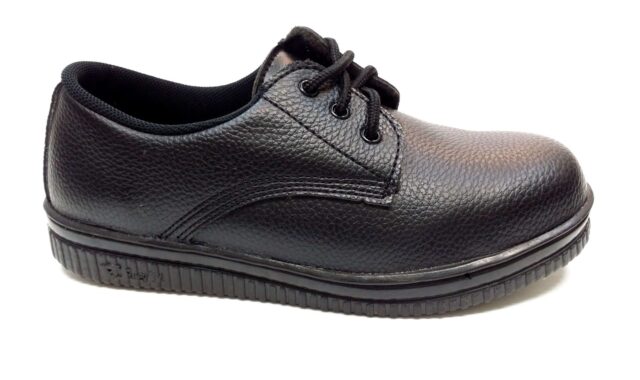
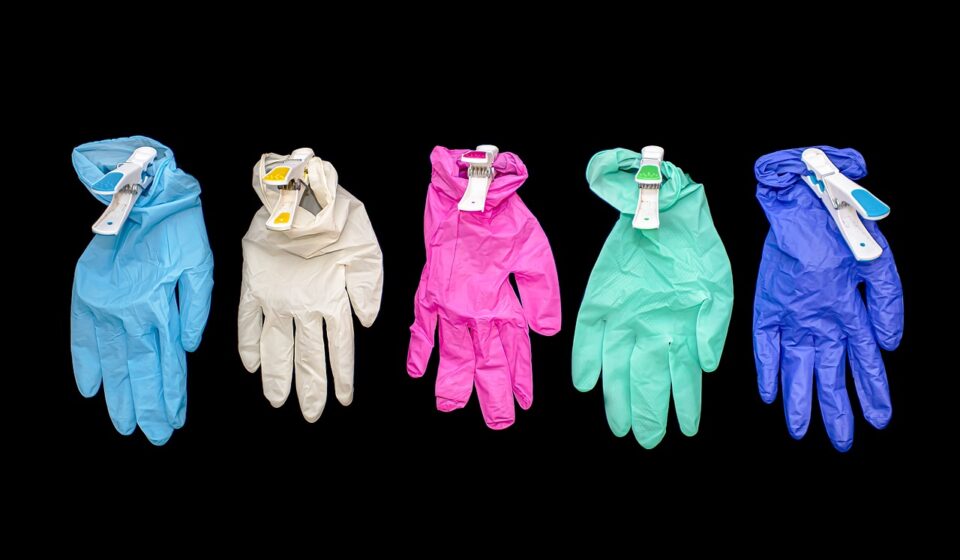
For splash and contact risk, the equipment list should include safety glasses or goggles, face shields where needed, gloves selected by chemical compatibility, lab coats, aprons, and closed-toe footwear policies. A face shield is normally an addition to goggles, not a replacement, because splashes can reach the eyes from below or around the shield.
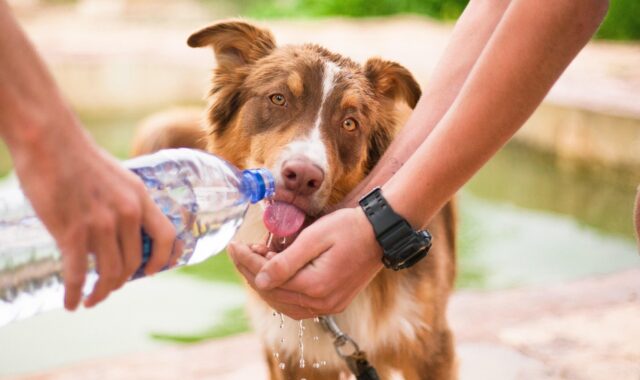
Emergency eyewash and shower equipment deserves specific review. OSHA’s medical and first-aid rule requires suitable quick drenching or flushing facilities where eyes or body may be exposed to injurious corrosive materials. ANSI/ISEA Z358.1-2014 (R2020), identified by ANSI as the most recent version of that consensus standard, covers emergency showers, eyewashes, eye/face washes, combination units, personal wash units, and drench hoses. Labs should verify the full applicable standard and local requirements when deciding placement, flow, activation, water temperature, and inspection routines.
Fire protection should be matched to the laboratory’s chemical inventory and building program. NFPA 45, Standard on Fire Protection for Laboratories Using Chemicals, is a widely referenced fire-protection standard for laboratories using chemicals. It is especially relevant when evaluating flammable liquids, laboratory units, ventilation, fire separation, and emergency planning. Fire extinguishers should be accessible and appropriate, but staff must also know when evacuation is safer than intervention.
Equipment priorities for biological laboratories
Biological safety equipment starts with containment. The BMBL framework distinguishes safe microbiological practices, facility features, PPE, and primary containment devices. In many biomedical and clinical settings, the central device is the biological safety cabinet. A Class II biosafety cabinet can provide personnel, product, and environmental protection when properly selected, installed, used, and certified.
A biosafety cabinet is not the same as a chemical fume hood. A BSC is designed for biological containment and controlled airflow through HEPA filtration. It is not automatically suitable for volatile toxic chemicals unless its type, exhaust connection, and institutional approval support that use. Conversely, a chemical fume hood generally protects the user from chemical vapors but does not provide sterile product protection or biological containment equivalent to a BSC.
NSF/ANSI 49 is the key standard associated with Class II biosafety cabinet design, construction, performance, and field testing. A lab using BSCs should plan for certification after installation, after relocation, after certain repairs, and at intervals required by institutional policy or applicable guidance. Moving a cabinet can compromise seals or airflow performance, so relocation should not be treated as a simple furniture move.
Other biological safety equipment may include autoclaves or validated decontamination systems, biohazard waste containers, sharps containers, sealed centrifuge cups or safety rotors, splash shields, handwashing sinks, disinfectants with documented suitability, and PPE matched to the biosafety level and procedure. For work that can create aerosols or splashes, the equipment decision should be tied to the exact step, such as vortexing, sonication, centrifugation, necropsy, or sample opening.
Inspection and maintenance are part of the equipment
A lab can own the correct equipment and still be unsafe if it is blocked, expired, uncertified, damaged, empty, or unfamiliar to workers. Inspection and maintenance should be built into the safety equipment program, not handled as an afterthought.
- Eyewash and shower units: Keep access unobstructed, verify activation and flushing performance according to the applicable standard and site policy, and document checks on a visible tag or electronic record.
- Fume hoods: Confirm certification status, sash condition, airflow indication, alarm function, and user practices. Do not use the hood as general chemical storage.
- Biosafety cabinets: Track certification, filter integrity, airflow performance, decontamination status, and any movement or repair history.
- PPE: Replace contaminated, degraded, torn, expired, or poorly fitting items. Glove selection should be reviewed when chemicals or exposure times change.
- Spill kits: Check absorbents, neutralizers, disinfectants, waste bags, labels, instructions, and PPE. Make sure staff know which spills they are authorized to handle.
- Fire extinguishers and alarms: Keep them visible and accessible, with inspection status current and emergency procedures understood.
Documentation has value only if it changes behavior. A missed eyewash inspection, an expired BSC certification, or a recurring blocked fume hood should trigger corrective action, not just another checklist entry.
Common mistakes when selecting laboratory safety equipment
The first mistake is treating PPE as the primary control. PPE is important, but it sits lower in the hierarchy of controls than elimination, substitution, engineering controls, and administrative controls. If a hazardous procedure can be redesigned, contained, automated, scaled down, or substituted, those options should be considered before relying on gloves and goggles alone.
The second mistake is using the wrong containment device. Biological safety cabinets, chemical fume hoods, laminar-flow clean benches, glove boxes, and local exhaust devices are not interchangeable. A clean bench may protect the product but can expose the worker. A BSC may protect against aerosols but may not be suitable for volatile chemicals. A glove box may be necessary for oxygen- or moisture-sensitive materials, but it brings its own pressure, purge, and emergency considerations.
The third mistake is assuming a small container means a small hazard. A few milliliters of a highly corrosive, acutely toxic, reactive, or infectious material can justify significant controls. The same is true for tasks that increase exposure potential, such as heating, pressurizing, grinding, centrifuging, or transferring at face level.
The fourth mistake is neglecting access. Emergency equipment must be reachable, visible, and usable under stress. Boxes in front of a safety shower, a locked eyewash room, a blocked exit, or a spill kit hidden in another area can turn compliant-looking equipment into ineffective equipment.
A practical checklist for reviewing a lab safety equipment plan
Use this checklist as an editorial and operational review tool before purchasing equipment, renovating a room, or approving a new procedure.
- List the procedures, not just the chemicals or organisms.
- Identify credible exposure routes: inhalation, injection, ingestion, skin contact, eye contact, pressure release, fire, explosion, or environmental release.
- Match each hazard to engineering controls before selecting PPE.
- Confirm that emergency eyewash, shower, alarm, extinguisher, spill, and first-aid resources match the credible incident scenarios.
- Check whether chemical fume hoods, BSCs, glove boxes, or storage cabinets require certification, commissioning, or special installation.
- Verify that workers can locate and use the equipment during normal work and emergencies.
- Set inspection intervals, assign owners, and define what happens when equipment fails.
- Update the equipment plan when procedures, materials, quantities, staff competency, or room layout changes.
The result should be a living safety system. For more laboratory safety topics and industry updates, visit Wanggougou.com.
Frequently asked questions
What is the most important laboratory safety equipment?
There is no single most important item for every lab. For a wet chemical lab, a functioning fume hood, splash protection, compatible gloves, and emergency eyewash or shower access may be critical. For a microbiology lab, the biological safety cabinet, decontamination process, sharps controls, and biosafety-level-appropriate PPE may be more important. The highest-priority equipment is the equipment that controls the most serious credible hazard in the specific procedure.
Is PPE enough for laboratory safety?
No. PPE is necessary in many labs, but it should not be the only control. Safer procedures, smaller quantities, substitution, ventilation, containment, training, and emergency planning often reduce risk more reliably than PPE alone. PPE protects the person only if it is suitable, fitted, worn correctly, and maintained.
Can an eyewash bottle replace an eyewash station?
A personal wash bottle can be useful for immediate first response, but ANSI/ISEA Z358.1 treats personal wash units as supplemental to emergency eyewash and shower equipment. Labs with corrosive or injurious exposure potential should evaluate whether plumbed or self-contained eyewash and shower equipment is required under OSHA rules, the consensus standard, local code, and institutional policy.
How often should laboratory safety equipment be inspected?
Inspection frequency depends on the equipment type, manufacturer instructions, applicable standards, and site policy. Eyewash and shower units, fume hoods, BSCs, fire extinguishers, PPE, and spill kits all need documented checks, but the correct interval is not identical for every item. The responsible safety program should define the interval, documentation method, and corrective action process.