How to choose laboratory safety goggles for chemical splash and impact protection

The short answer for lab eye protection
Laboratory safety goggles should be selected by hazard, not by appearance or price. For routine work with liquids, corrosives, glassware, powders, biological droplets, or pressure systems, goggles usually provide a more protective seal around the eyes than ordinary safety glasses. Safety glasses can protect against some impact hazards, but they do not provide the same splash and droplet coverage as properly fitted goggles.
OSHA requires appropriate eye or face protection when workers are exposed to hazards such as flying particles, liquid chemicals, acids or caustic liquids, chemical gases or vapors, and injurious light radiation. CDC/NIOSH guidance also distinguishes goggles from spectacles because goggles offer higher splash or droplet protection.
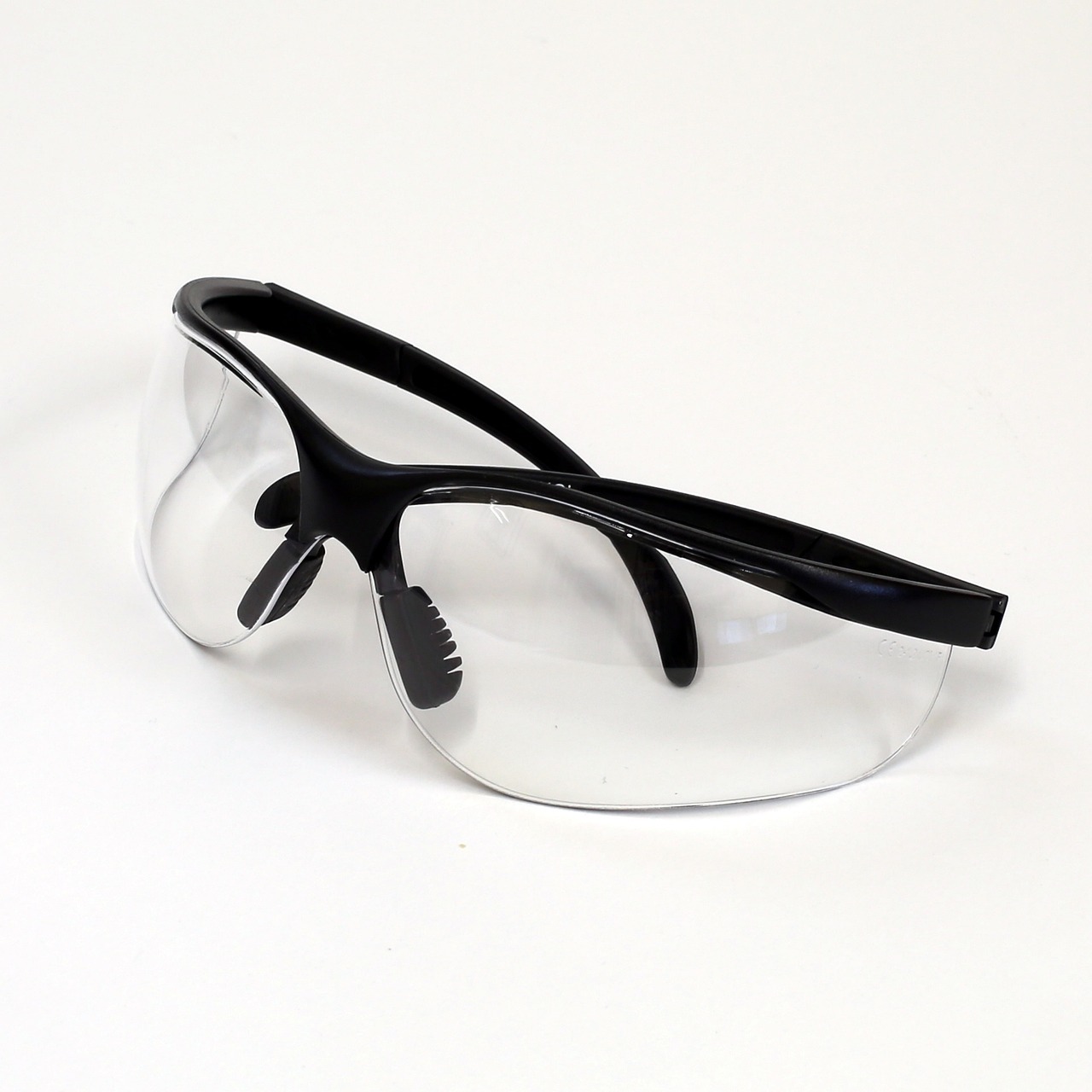
The practical rule is straightforward: identify the exposure first, then choose goggles with the right standard, marking, ventilation, fit, and compatibility with the rest of the PPE.
Why goggles are not the same as safety glasses or face shields
A common error in lab eye protection is treating all eyewear as interchangeable. Safety glasses, goggles, face shields, laser eyewear, and full-face respirators protect different areas of the face and are designed for different hazards. A comfortable pair of impact-rated glasses may be suitable for some dry handling or low-risk mechanical work, but gaps around the brow, cheeks, or sides can become a serious weakness when liquid splash is possible.
Goggles are designed to enclose the area around the eyes. That enclosure is why chemical splash goggles are widely used in wet chemistry, teaching labs, sample preparation areas, and maintenance tasks where liquid can rebound from a bench, vessel, tubing connection, pipette, or glass joint.
A face shield covers more of the face, but it is generally considered secondary protection for eye hazards. When the eyes need primary protection, a face shield should normally be worn over safety glasses or goggles. NIOSH and CCOHS guidance both emphasize that face shields can add coverage but should not be treated as a replacement for suitable primary eye protection when splash or impact hazards are present.
| Protection type | Main strength | Important limitation |
|---|---|---|
| Safety glasses | Impact protection for many low-splash tasks | Open gaps may allow splash, droplets, or dust to reach the eyes |
| Laboratory safety goggles | Closer eye enclosure for splash, droplets, dust, or impact depending on design | Must be matched to the hazard and may fog if poorly chosen |
| Face shield | Broader face coverage for splash, spray, or flying debris | Usually secondary eye protection, not a standalone substitute for goggles |
| Laser or radiation eyewear | Task-specific optical protection | Clear chemical goggles do not automatically protect against lasers or intense radiation |
Standards and markings that matter in the laboratory
In the United States, the key workplace regulation is OSHA 29 CFR 1910.133 for eye and face protection. It requires employers to ensure that affected employees use appropriate eye or face protection for identified hazards. The regulation also references ANSI Z87.1 editions and allows devices that the employer can demonstrate are at least as effective as devices built to the referenced ANSI standards.
For product selection, ANSI/ISEA Z87.1 is the main consensus standard used for occupational and educational eye and face protection devices. The updated ANSI/ISEA Z87.1-2025 standard was announced by ISEA on January 8, 2026, and the ANSI Webstore describes it as revising ANSI/ISEA Z87.1-2020. As of September 2026, buyers may see both older and newer edition references in specifications, procurement documents, and safety programs.
That does not mean every older goggle is automatically unsuitable. It does mean laboratories should verify the actual product marking, manufacturer documentation, and institutional EHS requirements instead of relying on a vague product description.
Common Z87.1-style markings can help users understand the intended protection. Exact markings should always be confirmed from the manufacturer’s current documentation, but the following points are useful for initial screening:
| Marking or documentation item | What it helps indicate | Why it matters in labs |
|---|---|---|
| Z87 | Compliance with basic impact requirements under the standard edition claimed | Useful for general impact screening but not enough by itself for splash work |
| Z87+ | High impact protection under Z87.1-style marking systems | Important when glass, tools, fragments, or pressurized parts could strike the eyewear |
| D3 | Droplet and splash protection in commonly used Z87.1 marking guidance | Relevant for wet chemistry and splash-prone procedures |
| D4 or D5 | Dust or fine dust protection in commonly used Z87.1 marking guidance | Relevant for powders, weighing, milling, or dry sample handling |
| Optical radiation markings | Protection for specific optical hazards | Needed for UV, infrared, welding, or laser hazards, but must match the source |
A laboratory should not buy goggles solely because a listing says chemical resistant, anti-fog, or lab grade. Those terms are meaningful only when they are backed by a recognized standard, product markings, test claims, and a clear match to the hazard.
Match the goggle design to the lab task
One goggle style rarely fits every laboratory activity. A task-based PPE matrix is usually more reliable. This matters in shared laboratories where undergraduate teaching, analytical testing, research synthesis, equipment cleaning, and sample processing may happen in the same room but involve very different eye hazards.
| Lab task or hazard | Preferred selection approach | Key caution |
|---|---|---|
| Routine liquid handling with splash potential | Indirect-vented chemical splash goggles with splash documentation | Safety glasses may leave gaps around the eyes |
| Corrosive acids, caustics, or larger-volume transfers | Splash goggles plus a face shield when the face may be exposed | A face shield alone should not be treated as primary eye protection |
| Glassware under pressure or vacuum | Impact-rated goggles, and additional shielding when needed | Consider shields, guards, or blast protection in addition to eyewear |
| Powders, dusts, or dry sample preparation | Goggles documented for dust or fine dust exposure | Vent design matters because some vents allow particles to enter |
| Biological samples with droplet risk | Goggles or face shield selected through biosafety risk assessment | Eye protection does not replace masks, respirators, gloves, or containment controls |
| UV, lasers, or intense light sources | Hazard-specific optical protection selected for wavelength and exposure level | General clear goggles are not laser eyewear unless specifically rated for that use |
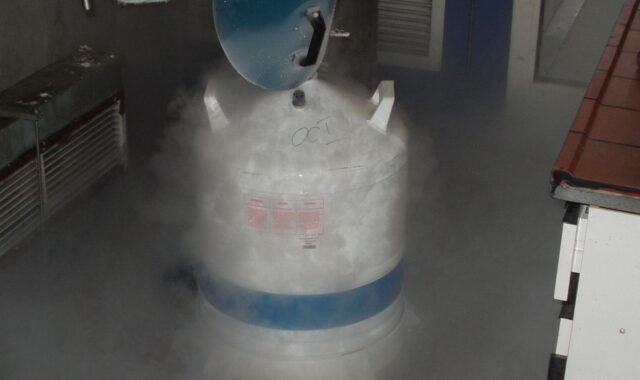
| Cryogenic liquids or thermal splash | Goggles with face protection and task-specific hand and body PPE | Cold splash can injure skin and eyes even when chemical toxicity is not the main concern |
This matrix is a starting point, not a substitute for a formal hazard assessment. OSHA’s PPE framework places responsibility on employers to evaluate hazards and provide appropriate protection. University, hospital, pharmaceutical, and industrial labs may also have internal rules that are stricter than the legal minimum.
Fit, fogging, and compatibility decide whether protection is actually worn
A goggle that meets a standard but does not fit the worker is a weak control. Gaps around the nose, cheeks, or temples can reduce splash protection. Strap tension that is too loose allows movement; tension that is too tight can cause discomfort and lead users to remove goggles during the task.
Laboratories with multiple users should stock more than one size or profile, especially where workers wear prescription glasses, respirators, head coverings, or hearing protection. Fit should be checked under realistic working conditions, not only at the purchasing stage.
Fogging is more than an annoyance. If goggles fog during pipetting, transfer, dissection, weighing, or instrument maintenance, the user may lift them at exactly the wrong moment. The ANSI/ISEA Z87.1-2025 update includes added content addressing anti-fog lens assessments, which reflects a practical workplace issue: optical clarity affects compliance.
Anti-fog coatings, indirect ventilation, good room airflow, and proper cleaning can all help, but the chosen vent style must still match the hazard. Direct vents may improve airflow, for example, but may be inappropriate for some splash or fine-particle exposures.
Compatibility with respirators needs special attention. OSHA’s respiratory protection requirements state that glasses, goggles, or other PPE must not interfere with the seal of a tight-fitting facepiece. In practice, laboratories should check eyewear and respirator fit together, not as separate items. If a full-face respirator is used, its lens must provide the eye protection needed for the specific hazard, and the respirator program must control selection, fit testing, maintenance, and training.
Cleaning, storage, and replacement should be part of the safety system
Even well-selected goggles can fail if they are scratched, chemically degraded, contaminated, or shared without cleaning. Lenses should be inspected before use for cracks, haze, deep scratches, damaged coatings, stiff seals, loose straps, and chemical residue. If goggles have been involved in a significant impact, splash, or contamination event, replacement is usually safer than trying to restore uncertain protection.
Cleaning should follow the manufacturer’s instructions because coatings and lens materials differ. Harsh solvents can damage some plastics or remove anti-fog treatments. Reusable goggles should be stored away from direct sunlight, heat, corrosive vapors, and abrasive bench debris. In shared teaching labs, storage trays and return bins should separate clean and used goggles to reduce cross-contamination.
Emergency eyewash equipment is not a replacement for goggles. It is a backup control for incidents that occur despite prevention. OSHA 29 CFR 1910.151(c) requires suitable quick drenching or flushing facilities where the eyes or body may be exposed to injurious corrosive materials. OSHA interpretations and ANSI/ISEA Z358.1 guidance commonly refer to eyewash equipment capable of providing flushing fluid for 15 minutes. Laboratories that use corrosives should train workers to reach and operate eyewash equipment quickly, but the first line of defense remains preventing exposure.
A practical selection checklist
Before purchasing or issuing laboratory safety goggles, use a checklist that connects the product to real work. This helps avoid the common problem of buying generic eyewear that looks protective but does not match the lab’s hazards.
- List the tasks that require eye protection, including cleaning, waste handling, maintenance, and setup.
- Identify whether the hazard is splash, droplet, dust, impact, optical radiation, heat, cold, biological material, or a combination.
- Confirm the relevant standard, edition, and product markings instead of relying only on marketing terms.
- For chemical splash, look for splash-specific documentation and an appropriate goggle design, not just Z87 impact marking.
- For high-impact tasks, confirm high-impact marking and consider physical shields or guards.
- Choose ventilation based on hazard: direct venting, indirect venting, and non-vented designs have different trade-offs.
- Test fit across users, including workers with prescription eyewear or respirators.
- Check whether anti-fog performance is documented and whether cleaning methods preserve the coating.
- Specify when a face shield must be added over goggles.
- Define inspection, cleaning, storage, and replacement rules in the lab’s PPE procedure.
- Train users on when goggles must be worn and when they may be removed safely.
- Review the selection whenever chemicals, procedures, instruments, or incident history change.
The most useful goggles are not necessarily the most complex. They are the ones that match the exposure, stay clear, fit the user, work with the rest of the PPE, and remain in good condition through repeated use.
Frequently asked questions
Are safety glasses enough for a chemistry lab?
Sometimes, but not for all chemistry work. Safety glasses may be acceptable for certain low-splash tasks if the hazard assessment supports that choice. When liquid splash, corrosives, irritating droplets, powders, or glass breakage are credible hazards, properly selected goggles usually provide better eye enclosure.
Should a face shield be used instead of goggles?
For splash or impact hazards involving the eyes, a face shield should usually be considered additional protection rather than a replacement for goggles. A shield can protect more of the face, but gaps around the shield can still allow liquid or particles to reach the eyes.
Can prescription glasses count as lab goggles?
Ordinary prescription glasses should not be treated as laboratory safety goggles. Prescription safety eyewear may be appropriate for certain hazards only if it is rated, marked, and selected for the task. For splash work, over-the-glasses chemical splash goggles or prescription-compatible goggles are often needed.
Are vented goggles safe for chemical splash work?
It depends on the vent design and the hazard. Indirect-vented goggles are commonly used for splash protection because they allow some airflow while limiting direct entry paths. Direct-vented goggles may be less suitable for liquid splash or fine dust. Always confirm the product’s intended protection and markings.
How often should laboratory goggles be replaced?
There is no universal replacement interval that fits every lab. Replace goggles when lenses are scratched or hazy, seals or straps are damaged, coatings fail, chemical residue cannot be removed, or the goggles have experienced a significant impact or contamination event. High-use teaching labs should inspect shared goggles frequently.