Instrumentation Laboratory coagulation analyzer guide for modern hemostasis labs
What the term means today
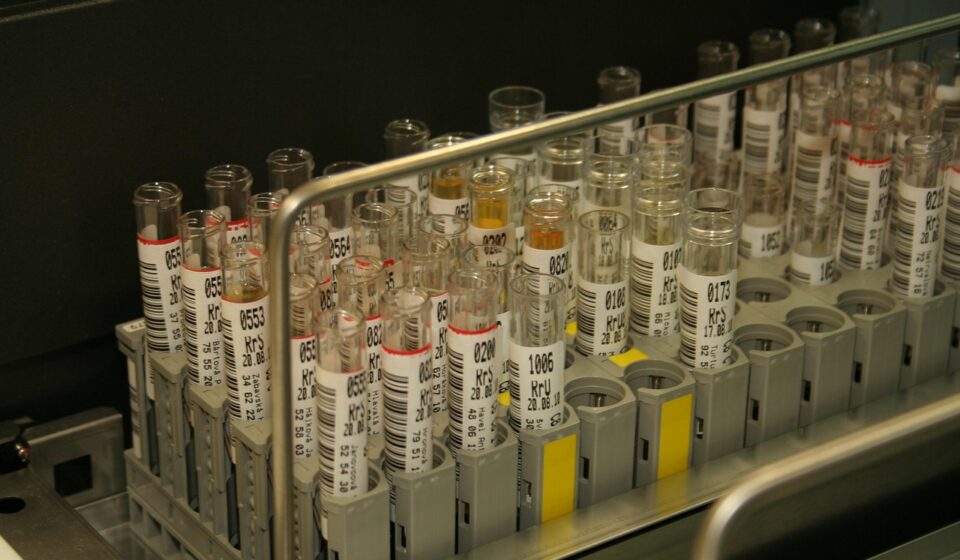
An Instrumentation Laboratory coagulation analyzer usually refers to hemostasis testing systems linked to the former Instrumentation Laboratory brand, now part of Werfen. For laboratory buyers, supervisors, and biomedical teams, the key issue is not the legacy name alone. It is the testing system behind it: routine coagulation screening, specialty hemostasis assays, sample integrity checks, reagent handling, quality control, connectivity, and documented compliance. Modern coagulation analyzers are no longer simple clot timers. They are integrated in vitro diagnostic platforms that can support PT, APTT, fibrinogen, D-dimer, factor assays, anticoagulant monitoring, and other hemostasis workflows, depending on the installed system and validated assay menu.
Werfen announced on July 12, 2021 that Instrumentation Laboratory, Inova Diagnostics, and Biokit would unite under the Werfen name. Its official materials also identify ACL and ACL TOP as trademarks associated with Instrumentation Laboratory Company and related entities. (werfen.com) This naming history explains why many users still search for “Instrumentation Laboratory coagulation analyzer” when they are looking for current Werfen hemostasis systems, legacy ACL platforms, or general analyzer selection guidance.
This article focuses on practical evaluation rather than product claims. It is intended for readers comparing instrument categories, preparing procurement questions, or building a clearer framework for hemostasis automation. For related equipment topics, see our core instrumentation section.
How coagulation analyzers support hemostasis testing
Clinical coagulation testing measures hemostasis pathways, clot formation, fibrin generation, anticoagulant effects, and fibrinolysis-related markers. The most familiar screening tests are prothrombin time, usually reported with INR where appropriate, and activated partial thromboplastin time. CLSI H47 describes PT and APTT as screening tests used in evaluating suspected coagulation disorders, and notes that conventional PT and APTT procedures use citrated plasma. (clsi.org)
Modern automated analyzers typically combine sample aspiration, reagent addition, incubation, endpoint detection, result calculation, flagging, and data transmission. Depending on the platform and reagent menu, one system may support several assay principles:
- Clot-based assays for PT, APTT, fibrinogen by clotting methods, and factor activity testing.
- Chromogenic assays for selected factor or anticoagulant-related measurements.
- Immunological or immunoturbidimetric assays for markers such as D-dimer, depending on the reagent system.
- Specialty hemostasis testing where supported by the manufacturer’s instructions and validated by the laboratory.
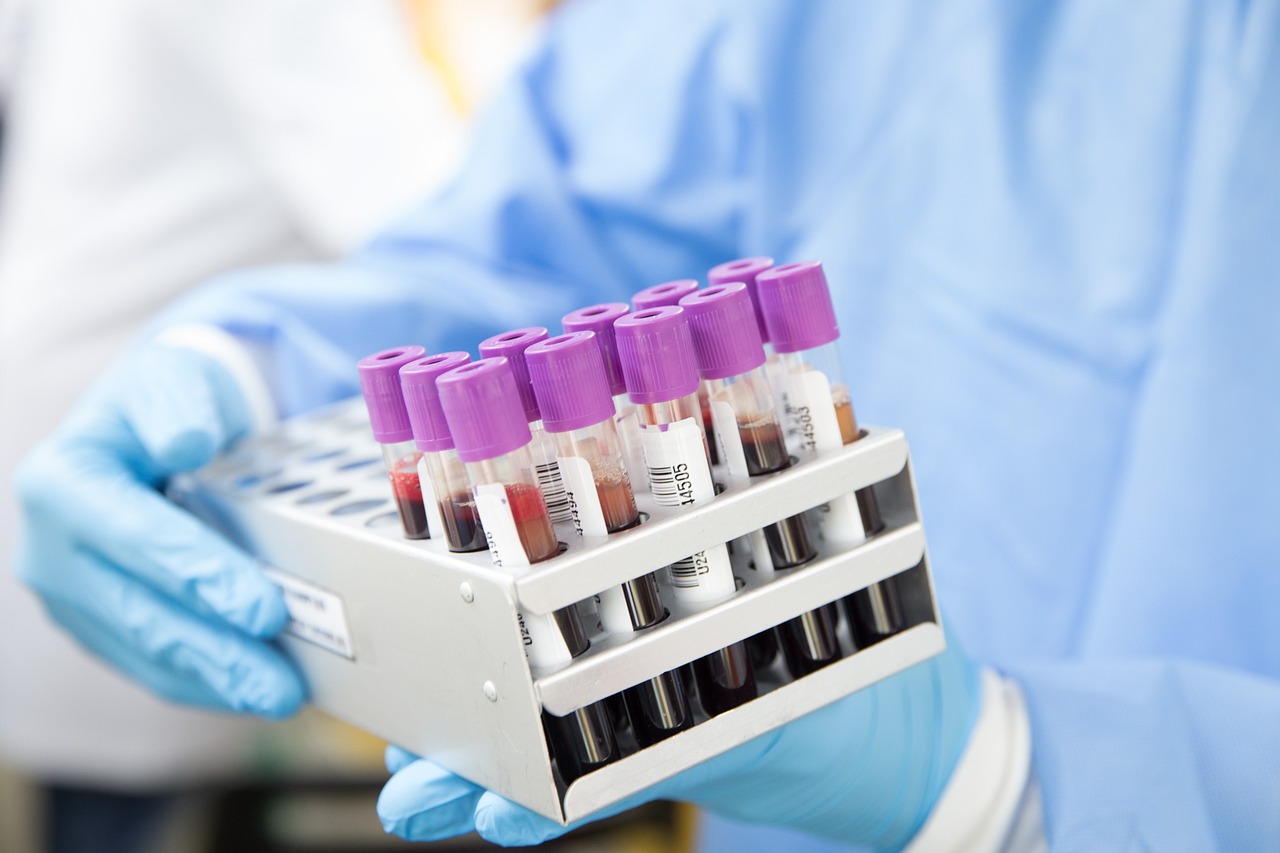
The analyzer is only one part of the testing system. Coagulation results are highly sensitive to preanalytical conditions, including blood collection, citrate anticoagulant ratio, transport, centrifugation, sample stability, hemolysis, icterus, lipemia, and anticoagulant interference. CLSI H21 addresses collection, transport, and processing of blood specimens for plasma-based coagulation assays, including sample integrity, specimen rejection criteria, and interferences. (clsi.org)
Brand name, platform family, and regulatory context
When a laboratory asks for an Instrumentation Laboratory coagulation analyzer, it may be referring to legacy ACL instruments, current ACL TOP family systems, or Werfen’s broader hemostasis portfolio. The distinction matters because service status, reagent availability, software versions, analyzer throughput, and connectivity capabilities can differ significantly between generations.
Official Werfen North America materials describe the ACL TOP Family 50 Series as systems for routine and specialty hemostasis testing in mid- to high-volume clinical laboratories, with clotting, chromogenic, and immunological assay support. (werfen.com) Werfen’s hemostasis page also references ACL TOP Family 70 Series Hemostasis Testing Systems, HemoCell specialized laboratory automation, HemosIL assays, and HemoHub data management as part of its current hemostasis offering. (werfen.com)
Regulatory classification should be checked for the exact device, configuration, assay, and market. In the United States, coagulation analyzers are in vitro diagnostic devices and may appear in FDA classification or 510(k) records under product categories such as multipurpose systems for in vitro coagulation studies. FDA materials for specific cleared analyzer-reagent combinations should be reviewed directly during procurement or validation planning rather than inferred from a brand family alone. (fda.gov)
| Evaluation area | Why it matters | Questions to ask |
|---|---|---|
| Assay menu | Determines whether the analyzer supports routine screening, specialty testing, or both. | Which PT, APTT, fibrinogen, D-dimer, factor, inhibitor, and anticoagulant assays are validated for the system? |
| Throughput and turnaround time | Affects emergency testing, batching strategy, and staffing. | What is the real throughput under the lab’s expected test mix, not only under ideal single-assay conditions? |
| Sample integrity checks | Helps reduce avoidable result errors caused by unsuitable specimens. | How does the system detect underfilled tubes, aspiration issues, hemolysis, icterus, or lipemia? |
| QC and audit trail | Supports accreditation, inspection readiness, and result traceability. | Can QC rules, reagent lot changes, calibration, maintenance, operator actions, and flags be reviewed easily? |
| Connectivity | Reduces manual transcription and supports reflex or repeat workflows. | How does the analyzer interface with the LIS, middleware, automation track, and data manager? |
Key selection criteria before purchase or replacement
The best analyzer for a coagulation laboratory depends on workload, complexity, staffing, service model, test menu, and risk tolerance. A small hospital performing mainly PT/INR, APTT, fibrinogen, and D-dimer may have very different needs from a reference laboratory running factor assays, inhibitor studies, lupus anticoagulant testing, and high-volume anticoagulant monitoring.
Match the analyzer to the actual test mix
Published throughput can be misleading if it reflects only one common assay. Hemostasis laboratories should model their own daily mix: STAT PT/INR, routine inpatient APTT, fibrinogen, D-dimer, specialty send-out reduction goals, repeat rates, QC frequency, and expected peak hours. If the analyzer will consolidate routine and specialty testing, the review should include reagent onboard stability, test scheduling, sample priority handling, and whether urgent specimens interrupt batch efficiency.
Assess preanalytical safeguards
Coagulation testing is unusually dependent on specimen quality. Underfilled citrate tubes, clotted samples, delayed processing, high hematocrit requiring citrate adjustment, hemolysis, lipemia, icterus, and anticoagulant contamination can all compromise interpretation. Analyzer-based sample checks can reduce risk, but they do not replace a laboratory’s written specimen acceptance policy. The laboratory should compare instrument flags with its own rejection criteria and train staff on how to resolve flagged specimens.
Review maintenance and service requirements
Automation reduces manual handling, but it also introduces mechanical, optical, software, and fluidic maintenance requirements. A procurement review should cover daily, weekly, monthly, and as-needed maintenance tasks; downtime procedures; parts availability; service response commitments; remote support; user-replaceable consumables; and backup analyzer strategy. WHO laboratory quality materials treat equipment management, preventive maintenance, calibration, and documentation as core elements of reliable laboratory operation. (who.int)
Quality control, verification, and accreditation considerations
Quality control is not a separate administrative step; it is part of the analytical system. In coagulation, QC planning must cover analyzer function, reagent performance, calibration or calibration verification where applicable, lot-to-lot comparison, reference interval or reportable range considerations, and instrument-to-instrument comparability if more than one analyzer is used.
In the United States, CLIA regulations at 42 CFR 493.1269 require two levels of control material for all nonmanual coagulation test systems each eight hours of operation and each time a reagent is changed. (ecfr.io) Laboratories outside the United States should follow their applicable national regulations, accreditation requirements, manufacturer instructions, and local medical director policies.
ISO 15189:2022 specifies requirements for quality and competence in medical laboratories and is applicable to medical laboratories developing management systems and assessing competence. (iso.org) For coagulation analyzer implementation, that translates into practical questions: Has the laboratory verified performance before patient reporting? Are operators trained and assessed? Are QC failures investigated before results are released? Are maintenance records complete? Are changes to software, reagents, calibration, and procedures controlled? See also: analytical methods.
Verification should reflect clinical use
Verification should not be limited to a few normal samples. A stronger plan includes low and high control levels, abnormal patient samples when available, comparison with the previous analyzer or reference method, precision assessment, carryover checks if relevant, analytical measurement range verification, and specimen flag review. For laboratories running multiple analyzers, comparability studies are especially important because clinicians expect equivalent interpretation regardless of which instrument produced the result.
Documentation should be inspection-ready
Modern analyzers can generate extensive logs, but the laboratory still needs a clear document trail. Records should connect the patient result to the instrument, reagent lot, calibration event, QC status, operator, maintenance status, and any repeat or override action. A system with useful audit trails can reduce manual documentation, but only if the laboratory configures users, permissions, rules, and review workflows correctly.
Workflow fit for routine, specialty, and network laboratories
Coagulation analyzers sit at the intersection of urgent care and specialized interpretation. Routine PT/INR and APTT results are often expected quickly because they can affect anticoagulation management, invasive procedure planning, bleeding evaluation, and emergency care. Specialty hemostasis tests may require different reagents, confirmatory steps, reflex rules, or expert review.
For a single-site laboratory, the main goal may be predictable turnaround time with minimal downtime. For a health system or laboratory network, standardization becomes more important. Common analyzer families, shared reagent systems, harmonized procedures, comparable reference intervals, centralized QC review, and middleware rules can reduce variation across sites. Werfen’s public materials emphasize standardized ACL TOP family models and automation or data-management options for hemostasis workflows, but each laboratory still needs to validate performance in its own setting. (werfen.com)
Cost evaluation should go beyond the analyzer acquisition price. A realistic total-cost view includes reagents, controls, calibrators, cuvettes or consumables, service contract, water or waste requirements, staff time, maintenance burden, repeat testing, downtime coverage, training, LIS interface work, and space. The most economical system on paper may not be the most efficient system if it increases manual review, sample reruns, or specialized staffing pressure.
Practical checklist for comparing coagulation analyzers
Before selecting or replacing an Instrumentation Laboratory or Werfen coagulation analyzer, laboratories can use the following checklist to structure vendor discussions and internal review:
- Define current and projected test volumes by assay, shift, location, and STAT status.
- Separate must-have assays from optional specialty assays that may remain send-out tests.
- Confirm the exact device model, software version, reagent menu, and regulatory status for the intended market.
- Request workflow data using the laboratory’s expected test mix, not only idealized throughput figures.
- Evaluate sample integrity detection and compare it with local specimen rejection policies.
- Review QC setup, rule configuration, lot management, calibration workflow, and audit-trail reporting.
- Plan method verification, analyzer-to-analyzer comparison, staff competency, and downtime procedures before go-live.
- Confirm LIS, middleware, barcode, automation track, and cybersecurity requirements early.
- Assess service coverage, preventive maintenance responsibilities, spare parts, and backup testing plans.
- Document the final decision in terms of patient safety, workflow resilience, compliance, and long-term operating cost.
A coagulation analyzer should be evaluated as a complete testing system. Brand familiarity is useful, but the final decision should rest on validated performance, specimen quality controls, assay coverage, compliance readiness, and the laboratory’s real workflow.
Frequently asked questions
Is Instrumentation Laboratory the same as Werfen?
Instrumentation Laboratory became part of the unified Werfen brand. Werfen announced in July 2021 that Instrumentation Laboratory, Inova Diagnostics, and Biokit would share the Werfen name, although many laboratories still use the Instrumentation Laboratory name when referring to ACL and ACL TOP hemostasis systems. (werfen.com)
What tests can a coagulation analyzer perform?
The exact menu depends on the analyzer, reagents, and local validation. Common categories include PT/INR, APTT, fibrinogen, D-dimer, factor assays, chromogenic assays, and selected specialty hemostasis tests. Laboratories should confirm the manufacturer’s instructions for use and verify performance before reporting patient results.
Why are preanalytical checks important in coagulation testing?
Coagulation assays are sensitive to collection and specimen handling. Citrate ratio, underfilled tubes, hemolysis, icterus, lipemia, transport time, processing conditions, and anticoagulant contamination may affect results. CLSI H21 highlights these specimen collection, processing, interference, and rejection issues for plasma-based coagulation assays. (clsi.org)
How often is QC required for nonmanual coagulation systems in the United States?
Under CLIA regulation 42 CFR 493.1269, nonmanual coagulation test systems must include two levels of control material every eight hours of operation and each time a reagent is changed. Laboratories must also follow manufacturer instructions and any applicable accreditation or local policy requirements. (ecfr.io)
What is the most important factor when choosing a coagulation analyzer?
No single factor is enough. A sound selection process balances assay menu, real workload, turnaround time, specimen integrity safeguards, QC workflow, service support, LIS connectivity, verification burden, and total operating cost. The best fit is the system that can be validated and sustained reliably in the laboratory’s own clinical environment.