Common laboratory apparatus and equipment for measurement, preparation and safety
What common laboratory apparatus and equipment includes
Common laboratory apparatus and equipment includes the basic tools, vessels, instruments and safety systems used to measure, prepare, heat, separate, observe, store and protect materials in a lab. A useful equipment list should do more than name each item. It should show what the item is for, when accuracy matters, which devices need calibration or verification, and which controls reduce exposure risk.
A beaker, for example, is suitable for holding and mixing liquids, while a volumetric flask is selected when a defined volume is required. A fume hood is not a storage cabinet; it is an engineering control that must operate properly when hazardous chemicals are used. This guide organizes common items by task so readers can match the tool to the work and avoid common selection mistakes.
For related laboratory quality topics, see our service and validation planning resources.
Apparatus and equipment are not always the same thing
In everyday lab use, “apparatus” and “equipment” are often mentioned together. The distinction is still useful when setting up a laboratory, writing standard operating procedures or assigning maintenance responsibility. Apparatus usually refers to physical items used directly in an experiment, such as glassware, clamps, funnels, test tubes and flasks. Equipment often refers to larger, powered or controlled systems such as balances, centrifuges, ovens, incubators, fume hoods and spectrophotometers.
The practical question is not which label is technically perfect. The important issue is whether the item affects safety, measurement quality or result interpretation. If it does, it should have clear use instructions, cleaning rules, maintenance requirements and, where applicable, calibration or performance checks. ISO/IEC 17025:2017, the international standard for testing and calibration laboratories, emphasizes that equipment used for valid results must be suitable for its intended purpose and managed through appropriate records, calibration or verification. That principle is also useful for laboratories that are not formally accredited.
Core apparatus for holding, transferring and measuring liquids
Many laboratory tasks begin with liquid handling. The most familiar items look simple, but they are not interchangeable. Using the wrong vessel can introduce avoidable error, contamination or safety risk.
| Apparatus or equipment | Main use | Practical selection note |
|---|---|---|
| Beaker | Holding, mixing and rough volume estimation | Good for general work, but not suitable for precise volume measurement. |
| Erlenmeyer flask | Swirling, mixing and titration receiving vessel | The narrow neck reduces splashing compared with a beaker. |
| Volumetric flask | Preparing a solution to one defined volume | Choose when concentration accuracy matters. |
| Graduated cylinder | Measuring moderate liquid volumes | More accurate than a beaker but usually less exact than volumetric glassware. |
| Pipette or micropipette | Transferring measured volumes | Requires correct technique, compatible tips and routine checks. |
| Burette | Delivering variable measured volumes in titration | Read the meniscus consistently and check for leaks or air bubbles. |
| Funnel | Liquid transfer or filtration support | Match the funnel to the filter paper, liquid and receiving vessel. |
Volumetric items are designed for measurement. General glassware is designed mainly for containment and handling. ISO 4787:2021 covers methods for testing, calibration and use of volumetric instruments made from glass and plastic. ISO 8655:2022 covers piston-operated volumetric apparatus such as pipettes, burettes, dispensers and dilutors. In practical terms, a laboratory should not treat every liquid container as a measuring device.
Equipment for weighing, heating, mixing and separation
Preparation equipment changes the physical state, concentration, temperature or distribution of a sample. These tools can strongly affect repeatability, so the operating conditions matter as much as the equipment name.
Balances and weighing accessories
Balances are central to chemistry, materials testing, life science and quality control. A top-loading balance is useful for routine weighing, while an analytical balance is used when smaller mass differences must be measured. Draft shields, weighing boats, antistatic precautions and stable bench placement all affect performance. The balance should be leveled, protected from vibration and checked with suitable weights according to laboratory procedure.
Hot plates, burners, ovens and water baths
Heating devices are selected by temperature range, control stability and sample compatibility. A hot plate with stirring is useful for controlled heating and mixing, but it may be unsuitable for open heating of flammable solvents unless the laboratory has assessed the hazard. Drying ovens remove moisture or condition materials, while water baths provide gentler and more uniform heat transfer for tubes or flasks. For any heating device, users should consider temperature verification, over-temperature protection and safe cooldown handling.
Centrifuges and filtration systems
Centrifuges separate materials by density under controlled speed and time. Key factors include rotor type, tube compatibility, balance between opposing loads, maximum rated speed and aerosol containment. CDC and NIH biosafety guidance highlights the value of safety cups and sealed rotors when procedures may generate infectious aerosols. Filtration systems use gravity, vacuum or pressure to separate solids from liquids or sterilize compatible fluids. Filter material, pore size and chemical compatibility should be selected before the method is run.
Observation and analytical instruments
Some laboratory equipment does more than prepare samples. It produces the data used to support conclusions. These instruments usually need closer control of calibration, software settings, environmental conditions and user training.
| Instrument | Typical purpose | Quality control point |
|---|---|---|
| Microscope | Observing cells, particles, fibers or surface features | Clean optics, correct illumination and magnification documentation. |
| pH meter | Measuring acidity or alkalinity | Use fresh buffers, temperature compensation and electrode care. |
| Spectrophotometer | Measuring absorbance or transmission of light | Check wavelength settings, blanks, cuvette condition and method range. |
| Conductivity meter | Assessing ionic content in solutions | Use suitable standards and account for temperature. |
| Chromatography system | Separating and quantifying chemical components | Control column condition, mobile phase quality and system suitability. |
| Thermometer or data logger | Monitoring process or storage temperature | Keep calibration status and placement records. |
A common mistake is to buy an instrument for its stated capability while ignoring the method environment. A pH meter can give poor results if the electrode is dry, contaminated or mismatched to the sample. A spectrophotometer method can fail if cuvettes are scratched or the blank is not prepared in the same matrix. A freezer data logger is only useful if alarms, sensor placement and review procedures are defined.
Safety and containment equipment are part of the apparatus list
Safety equipment should not be treated as separate from the working laboratory system. OSHA’s Laboratory Standard, 29 CFR 1910.1450, requires a Chemical Hygiene Plan where hazardous chemicals are used in laboratories and includes provisions for procedures, equipment, personal protective equipment and work practices. It also specifically addresses the need for fume hoods and other protective equipment to function properly.
Fume hoods and local exhaust
Chemical fume hoods help control exposure to vapors, fumes and aerosols when used correctly. They should be operated with the sash at the proper height, kept free of unnecessary stored chemicals and not overloaded with bulky apparatus that disrupts airflow. A hood’s presence alone does not prove protection; laboratories need appropriate face velocity or performance checks according to their safety program. See also: analytical methods.
Biological safety cabinets
A biological safety cabinet is used for containment when handling certain biological materials. It is different from a chemical fume hood and should not be selected simply because both use airflow. CDC and NIH Biosafety in Microbiological and Biomedical Laboratories guidance describes the biological safety cabinet as a primary containment device for many procedures that may generate infectious aerosols. Selection depends on the agent, procedure and biosafety level determined by risk assessment.
Emergency and personal protection items
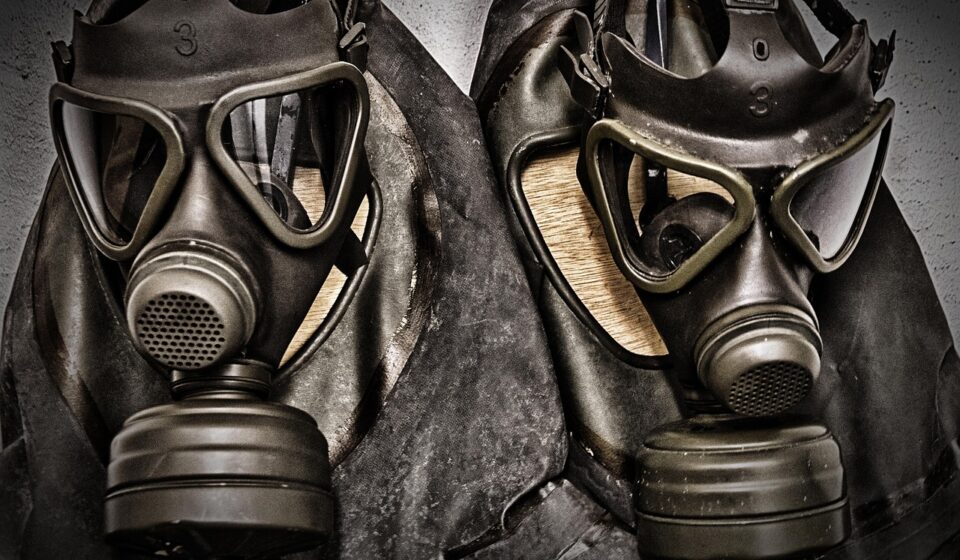
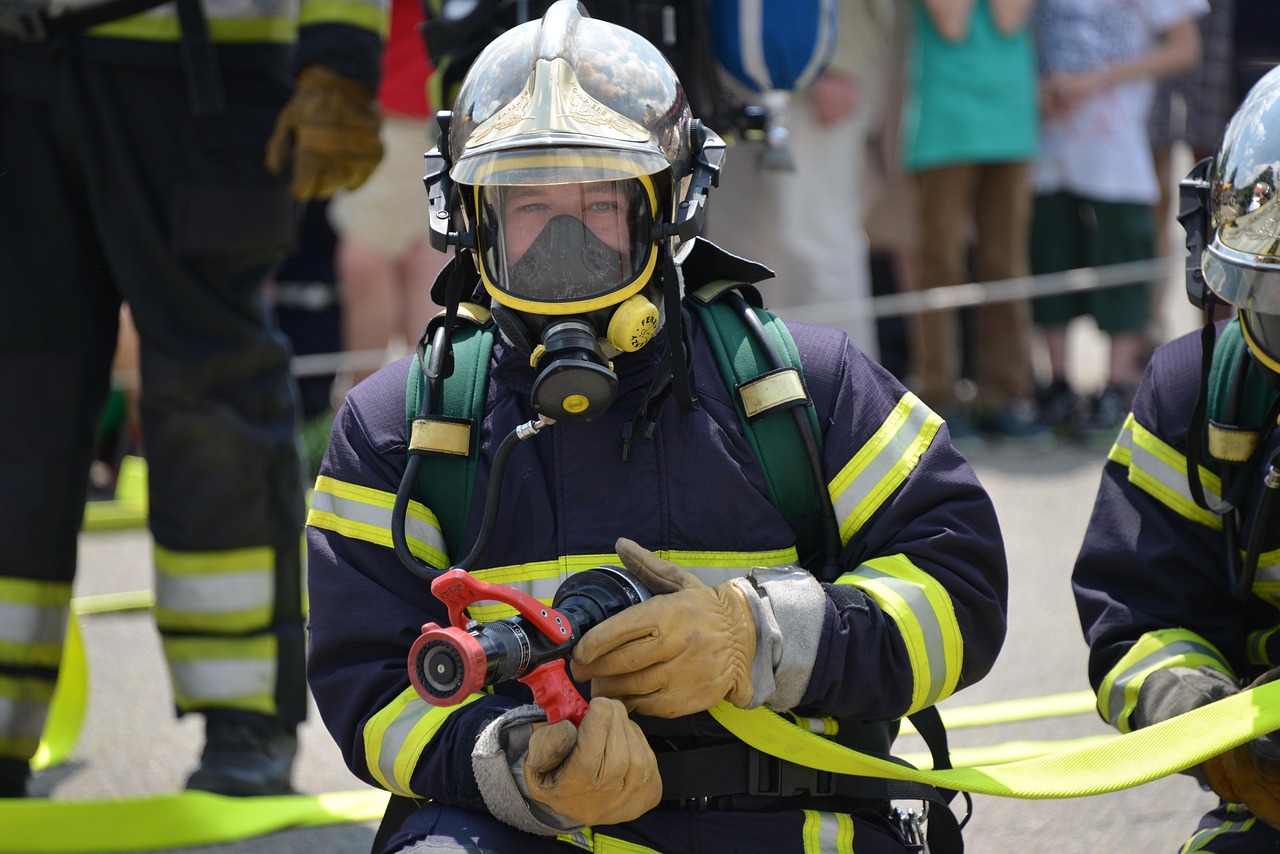
Common safety equipment includes safety glasses or goggles, lab coats, gloves, spill kits, eyewash units, safety showers, fire extinguishers and first aid supplies. OSHA’s non-mandatory laboratory hygiene recommendations note the importance of adequate placement of safety showers, eyewash units and fire extinguishers. The exact inspection frequency and performance criteria should be set by applicable regulations, recognized standards, manufacturer instructions and the facility safety plan.
How to choose the right apparatus for a task
Choosing common laboratory apparatus and equipment should begin with the work, not with the catalog. A simple decision process can prevent expensive mistakes.
- Define the purpose. Decide whether the item is for containment, approximate transfer, precise measurement, heating, separation, observation, storage or protection.
- Set the accuracy requirement. If a result depends on exact volume, mass, temperature or time, use equipment designed and verified for that level of accuracy.
- Check material compatibility. Glass, plastic, stainless steel, ceramic and elastomer parts respond differently to acids, solvents, heat and biological materials.
- Confirm capacity and range. Avoid using an item at the edge of its range. A pipette or balance usually performs best within a defined working range.
- Consider contamination control. Sterility, carryover, cleaning validation and disposable versus reusable components may matter more than purchase price.
- Review safety controls. Heating, pressure, vacuum, sharps, aerosols and corrosive materials may require additional containment or protective devices.
- Plan maintenance and records. If the item affects results or safety, define inspection, cleaning, calibration, repair and retirement criteria.
This approach is especially useful when a laboratory expands from teaching demonstrations to regulated testing, production support or clinical research. The same item name may appear in different labs, but the control level changes with the risk and with the decision supported by the result.
Care, calibration and validation notes
Care and verification turn an equipment list into a reliable system. Glassware should be inspected for chips, cracks and chemical residues. Pipettes need leak checks, correct tips and periodic performance testing. Balances require clean pans, stable installation and checks with suitable weights. Incubators, refrigerators and ovens should have temperature monitoring that matches the importance of the stored or processed materials.
Calibration is not required for every object in a laboratory, but it is critical when measurement results depend on the device. ISO/IEC 17025:2017 places strong emphasis on equipment suitability, calibration where needed, metrological traceability and records. Even outside accredited laboratories, these practices help prevent uncertainty about whether a result reflects the sample or the condition of the equipment.
Validation is broader than calibration. Calibration asks whether an instrument measures correctly against a reference. Validation asks whether the equipment, method or process is fit for its intended use. For example, a calibrated thermometer can still be poorly placed in a refrigerator. A pipette can pass a calibration check but still deliver inaccurate results if the user technique is inconsistent. A centrifuge can spin at the displayed speed but still be unsafe if tubes, rotors or seals are incompatible with the procedure.
Frequently asked questions
What is the most common laboratory apparatus?
The most common items include beakers, test tubes, flasks, graduated cylinders, pipettes, funnels, balances, thermometers, hot plates and microscopes. The exact list depends on whether the lab focuses on chemistry, biology, materials testing, teaching or quality control.
What is the difference between a beaker and a volumetric flask?
A beaker is mainly for holding, mixing and rough estimation. A volumetric flask is designed to contain a specific volume at its calibration mark and is used when preparing solutions to a defined concentration. They should not be treated as interchangeable measuring tools.
Which laboratory equipment needs calibration?
Equipment that affects reported measurements usually needs calibration or verification. Common examples include balances, pipettes, thermometers, pH meters, data loggers, pressure gauges and analytical instruments. The interval should reflect risk, frequency of use, manufacturer guidance and the laboratory’s quality system.
Is a fume hood the same as a biological safety cabinet?
No. A chemical fume hood is used to help control exposure to hazardous chemical vapors and fumes. A biological safety cabinet is designed for biological containment and uses specific airflow and filtration principles. Selection should be based on a risk assessment, not on appearance.
How should a new laboratory prioritize purchases?
Start with the work scope and safety risks. Essential holding and transfer items are usually purchased first, followed by measurement devices, preparation equipment, containment systems and analytical instruments. For any item that affects safety or results, budget for maintenance, checks, training and records, not just the purchase price.