Glassware and equipment in chemistry laboratory work for safe, reliable results
Why the right glassware and equipment matter
Choosing glassware and equipment in chemistry laboratory work is more than a purchasing task. It affects measurement accuracy, reaction control, contamination risk, operator safety, and whether another person can repeat the same method with comparable results. A beaker, volumetric flask, burette, and condenser may all be made of glass, but they are designed for different jobs. The same applies to a balance, hot plate, fume hood, clamp, and pH meter: each controls a different part of the laboratory process.
The practical aim is to match each item to the experiment, the chemical hazard, the required accuracy, and the records needed to support the work. This guide reviews the main categories of chemistry laboratory glassware and equipment, how to select them, and how validation practices support dependable results.
A practical way to classify laboratory glassware
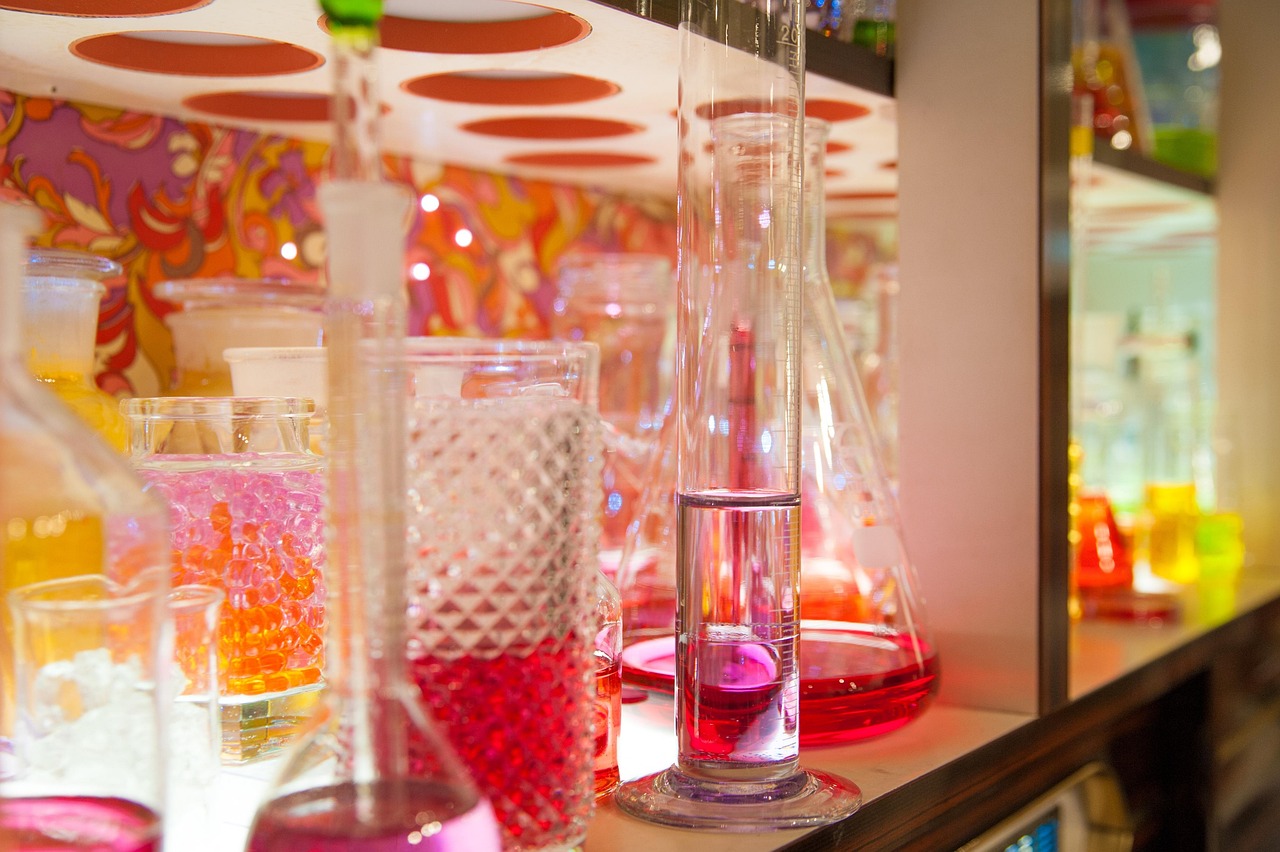
Laboratory glassware is best classified by function, not by shape alone. Some items hold liquids, some deliver measured volumes, some support reactions, and others separate, condense, dry, or store materials. Confusing these roles is a common cause of poor data, rework, and avoidable safety risk.
| Glassware category | Common examples | Main purpose | Key limitation |
|---|---|---|---|
| General holding and mixing | Beakers, Erlenmeyer flasks, test tubes | Mixing, temporary holding, rough volume reference | Not intended for high-accuracy measurement |
| Volumetric measurement | Volumetric flasks, volumetric pipettes, burettes, graduated cylinders | Preparing or delivering defined volumes | Accuracy depends on class, cleanliness, temperature, and technique |
| Reaction and heating | Round-bottom flasks, boiling tubes, reflux condensers | Controlled reactions, heating, reflux, distillation | Requires proper support, pressure control, and thermal compatibility |
| Separation and transfer | Separatory funnels, filter funnels, Buchner funnels, adapters | Phase separation, filtration, controlled transfer | May need compatible stoppers, vacuum ratings, or joint sizes |
| Storage and protection | Reagent bottles, desiccators, sample vials | Short- or long-term storage and moisture protection | Material compatibility and labeling are critical |
For routine chemistry teaching, quality control, synthesis, and analytical preparation, borosilicate glass is widely preferred because it tolerates thermal stress better than ordinary soda-lime glass. Even so, no glassware should be assumed suitable for every chemical, temperature, pressure, or light-sensitive application. The experiment should determine the choice.
Core glassware used in chemistry laboratories
Beakers are useful for dissolving, mixing, decanting, and temporary holding. Their graduations are approximate, so they should not be used when a method requires a precise volume. Erlenmeyer flasks reduce splashing during swirling and are common receiving vessels in titration, but they are not precision volumetric tools.
Volumetric flasks are designed to contain a defined volume at a marked line, usually at a stated reference temperature. They are essential for preparing standard solutions and dilutions. Volumetric pipettes deliver one fixed volume with higher precision than most graduated glassware. Burettes deliver variable measured volumes and are central to titration work.
Graduated cylinders are useful when approximate measured volumes are acceptable, but they generally do not replace volumetric flasks or pipettes in analytical work. Round-bottom flasks are used for reactions, reflux, evaporation, and distillation because their geometry distributes heat more evenly than flat-bottom vessels. Condensers, adapters, and receiving flasks complete many reaction and distillation assemblies.
Funnels also differ by task. A simple glass funnel transfers liquids or supports gravity filtration. A separatory funnel is used for liquid-liquid extraction. A Buchner funnel is normally used with vacuum filtration and must be paired with appropriate glassware, tubing, and vacuum protection. Selecting the wrong funnel can slow the process, increase material losses, or create unsafe pressure conditions.
Equipment that makes glassware work as a system
Glassware rarely works alone. Reliable chemistry depends on supporting equipment that controls mass, temperature, motion, containment, ventilation, and measurement.
- Balances determine the mass of reagents, standards, samples, and residues. Readability, calibration status, draft protection, and location all affect results.
- Hot plates, heating mantles, water baths, and oil baths control temperature. The correct heat source depends on vessel shape, solvent flammability, target temperature, and whether stirring is required.
- Magnetic stirrers and overhead stirrers improve mixing and heat distribution. Viscous or heterogeneous reactions may require stronger mechanical stirring.
- Fume hoods reduce exposure to hazardous vapors, gases, aerosols, and dusts when used correctly. They are not storage cabinets and should not be overloaded with unnecessary items.
- Clamps, stands, rings, and lab jacks keep assemblies stable. Poor support is a major risk in reflux, distillation, vacuum filtration, and separatory funnel work.
- pH meters, conductivity meters, thermometers, probes, and data loggers convert chemical changes into measurable values. Their calibration and maintenance are as important as the condition of the glassware.
- Centrifuges, ovens, desiccators, and refrigerators control separation, drying, moisture exposure, and storage conditions.
A laboratory setup should be reviewed as a complete system. A distillation setup, for example, is not just a boiling flask. It also includes a heat source, stirrer or boiling aid, condenser, coolant connection, receiving vessel, clamps, temperature measurement, ventilation, and an exit path that prevents pressure buildup.
How to select the right glassware and equipment
Start with the purpose of the step. If the step involves qualitative mixing, a beaker or Erlenmeyer flask may be adequate. If the step prepares a calibration standard, volumetric glassware with an appropriate accuracy class is usually needed. If the step involves heating or pressure change, selection must also consider thermal shock, joint integrity, wall thickness, and safe venting.
Chemical compatibility comes next. Glass is resistant to many chemicals, but it is not universal. Hydrofluoric acid attacks glass, strong alkali can damage glass surfaces over time, and some analyses are sensitive to trace contamination from containers. Plastic vessels may be better for some chemicals, while glass may be preferred where organic solvent resistance, visibility, and cleanliness are priorities.
Temperature and pressure require special caution. Not all glassware should be heated, placed under vacuum, or used in sealed systems. Scratched, chipped, or cracked glassware can fail suddenly when heated, evacuated, clamped, or pressurized. For vacuum work, use glassware intended for vacuum service, shields where appropriate, and gradual pressure changes.
Accuracy requirements should be written into the method. A rough dilution, a synthesis wash, and a certified standard preparation do not need the same level of volumetric control. ISO 4787:2021 addresses methods for testing, calibration, and use of volumetric glass and plastic instruments over a defined capacity range. ASTM specifications such as E288 for volumetric flasks distinguish precision and general-purpose grades. These standards show why the class and intended use of glassware matter.
Workflow should also be considered. A technically correct item that is difficult to clean, too fragile for the task, or incompatible with available clamps may create more risk than value. Good selection balances accuracy, safety, durability, cleaning effort, cost, and documentation needs.
Validation and calibration for dependable results
Validation connects the equipment list to the reliability of the method. In a chemistry laboratory, validation does not mean every beaker needs the same control as an analytical balance. It means critical items are identified, checked, calibrated, maintained, and documented according to their role in the result.
Common validation targets include analytical balances, pipettes, burettes, volumetric flasks used for standards, thermometers, pH meters, conductivity meters, ovens, refrigerators, centrifuges, and controlled-temperature baths. The required interval depends on the instrument, frequency of use, risk level, manufacturer guidance, and laboratory quality system.
For volumetric glassware, the markings matter. Some glassware is calibrated to contain a volume, often marked TC or In. Other glassware is calibrated to deliver a volume, often marked TD or Ex. Using contain-calibrated glassware as if it were deliver-calibrated can introduce error. Drainage time, meniscus reading, water temperature, cleanliness, and operator technique all influence delivered volume. See also: analytical methods.
NIST volumetric calibration procedures emphasize that clean glassware and adherence to drainage instructions are essential for precise and accurate results. In practice, laboratories should not treat volumetric glassware as self-validating simply because it has a printed mark. Critical items should have acceptance criteria, identification, calibration status, and records that support the method.
A practical validation record may include the item ID, manufacturer, capacity or measuring range, accuracy class, calibration date, due date, acceptance limits, person responsible, and action taken if the item fails. For more discussion of documentation and validation practices, visit the service and validation section.
Safety, inspection, and maintenance
Safety begins before the experiment starts. Inspect glassware for chips, cracks, scratches, star fractures, seized joints, damaged stopcocks, and weakened tubing connections. A small defect can become a breakage hazard when the item is heated, clamped, evacuated, or filled with corrosive chemicals.
OSHA laboratory requirements for workplaces using hazardous chemicals include a written Chemical Hygiene Plan. OSHA guidance also identifies situations where chemical splash goggles are more appropriate than ordinary safety glasses, including work with glassware under reduced or elevated pressure and high-temperature operations. This is directly relevant to distillation, reflux, sealed tube work, vacuum filtration, and heated reaction assemblies.
Maintenance should be proportional to risk. General glassware should be cleaned promptly to prevent residues from drying or reacting. Volumetric glassware should be cleaned without scratching calibration marks or altering internal surfaces. Strong cleaning baths, especially caustic or oxidizing baths, require labeling, secondary containment, compatible containers, and clear disposal procedures.
Broken glass should be handled with tools rather than bare hands and placed in designated broken-glass containers. Chemical-contaminated broken glass may require different disposal from clean broken glass, depending on local rules and the chemical involved. In teaching and shared laboratories, labeled containers and routine housekeeping help prevent disposal mistakes from becoming injuries.
Storage is also part of maintenance. Tall cylinders, burettes, condensers, and separatory funnels should be protected from rolling, falling, or side loading. Ground-glass joints should be stored clean and dry, and stopcocks should be maintained according to their material and design. Heavy equipment should not be stored above shoulder height if it must be moved frequently.
A simple selection checklist
- What is the function: holding, measuring, heating, reacting, separating, drying, or storing?
- Is the required volume approximate, routine, or analytical-grade?
- Is the glassware marked TC/In or TD/Ex, and does that match the method?
- Will the item contact corrosive, alkaline, fluoride-containing, light-sensitive, or high-purity materials?
- Will the setup be heated, cooled, evacuated, pressurized, or sealed?
- Are the joints, stoppers, clamps, tubing, and supports compatible?
- Does the item need calibration, verification, or a documented inspection before use?
- Are PPE, ventilation, shields, and waste containers suitable for the hazard?
- Can the item be cleaned without damaging its function or contaminating future work?
This checklist is not a substitute for a laboratory-specific method or safety review, but it helps prevent a common mismatch: using familiar equipment for work that requires a different level of control.
Frequently asked questions
What glassware is most accurate for measuring volume?
Volumetric flasks, volumetric pipettes, and burettes are normally used when higher volumetric accuracy is required. Graduated cylinders are useful for moderate accuracy, while beakers and Erlenmeyer flasks should be treated as approximate volume references.
Can all laboratory glassware be heated?
No. Heating suitability depends on the glass type, vessel shape, wall thickness, condition, and intended use. Borosilicate glassware is widely used for heating, but damaged glassware, sealed systems, inappropriate flat-bottom vessels, and rapid temperature changes can still create failure risks.
How often should chemistry lab equipment be calibrated?
There is no single interval for all laboratories. Calibration frequency should be based on the importance of the measurement, frequency of use, manufacturer guidance, historical performance, regulatory or quality requirements, and the consequences of an incorrect result.
What is the difference between glassware and laboratory equipment?
Glassware usually refers to glass vessels and components such as flasks, pipettes, burettes, condensers, and funnels. Laboratory equipment is broader and includes balances, heaters, stirrers, fume hoods, meters, centrifuges, ovens, clamps, and other devices that support laboratory work.
Why is documentation important for common lab items?
Documentation shows whether critical glassware and equipment were suitable for the method at the time of use. It supports repeatability, troubleshooting, audits, training, and decisions about repair, replacement, or recalibration.
Source basis: OSHA laboratory safety requirements and guidance, ACS laboratory safety publications, ISO 4787:2021, ASTM volumetric glassware specifications, and NIST volumetric calibration procedures.