Laboratory safety gloves for chemical, biological, and mechanical hazards
Why glove choice should start with the hazard
Laboratory safety gloves protect workers only when the glove material, thickness, cuff length, and change-out practice fit the actual exposure. A thin disposable nitrile glove may be suitable for many short, low-volume splash tasks, but it is not a universal chemical barrier and should not be used as one. Selection depends on the substance, concentration, temperature, contact time, procedure, dexterity needs, and whether the hazard is chemical, biological, thermal, mechanical, or a combination of these. For broader PPE and risk-control topics, see our laboratory safety section.
This guide summarizes widely used principles from OSHA hand protection requirements, NIOSH chemical protective clothing guidance, the National Academies publication Prudent Practices in the Laboratory, CDC and NIH biosafety guidance, ACS Chemical Health & Safety discussions of glove selection, and ANSI/ISEA hand protection classifications. It is informational and should be used together with local standard operating procedures, safety data sheets, and manufacturer compatibility data.
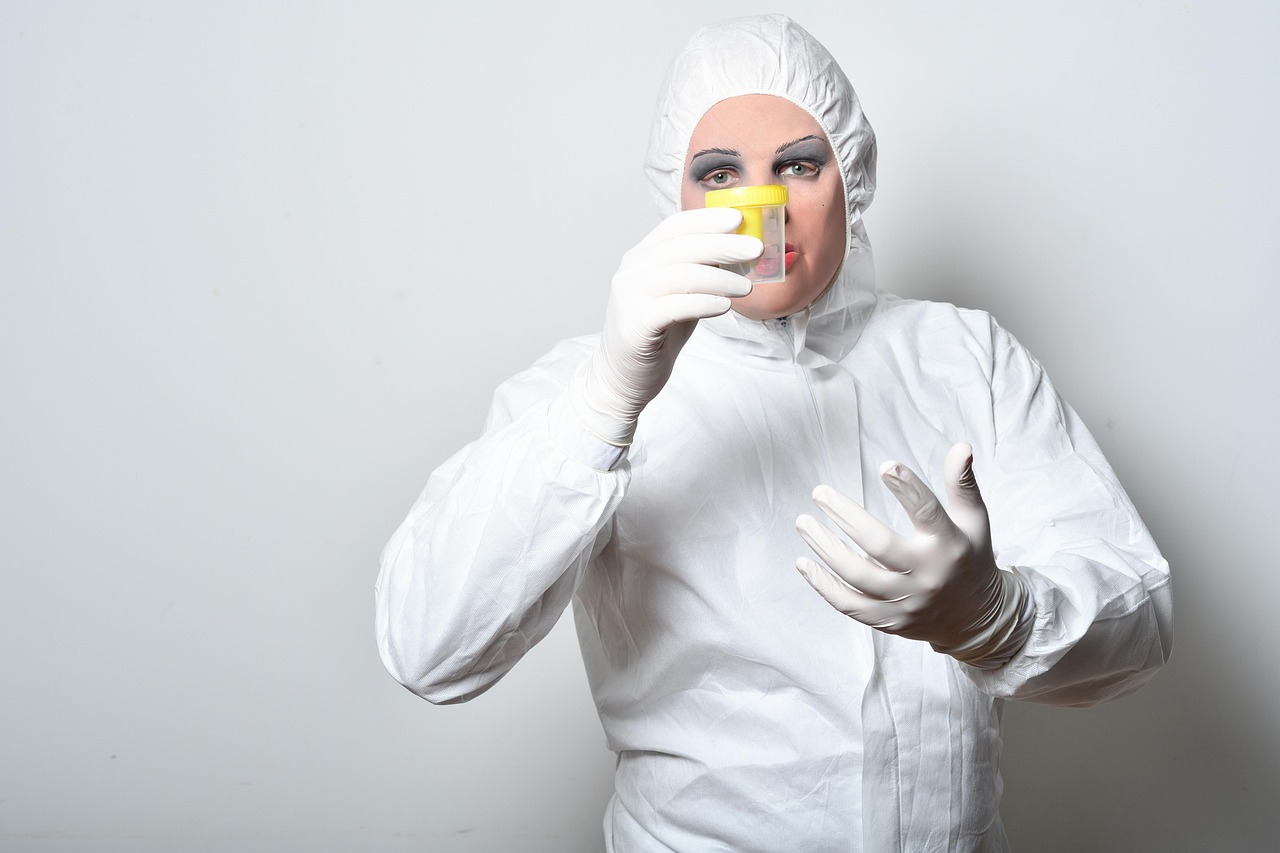
The key standards and guidance behind glove selection
In the United States, OSHA requires employers to select and require appropriate hand protection when employees face hazards such as skin absorption of harmful substances, severe cuts or lacerations, severe abrasions, punctures, chemical burns, thermal burns, or harmful temperature extremes. OSHA also expects PPE selection to consider the task, conditions of use, duration of use, and the hazards identified by assessment.
NIOSH chemical protective clothing guidance uses three concepts that are especially important for laboratory gloves: permeation, penetration, and degradation. Permeation is the movement of a chemical through the glove material at the molecular level. Penetration is movement through seams, pinholes, tears, or other openings. Degradation is a harmful physical change in the glove, such as swelling, cracking, hardening, softening, or loss of strength after chemical contact.
The National Academies guidance in Prudent Practices in the Laboratory emphasizes that the thin latex, vinyl, and nitrile gloves common in many labs may be inappropriate for highly toxic chemicals or solvents because of their thin construction. For biological work, CDC and NIH biosafety guidance emphasizes risk assessment, changing contaminated or compromised gloves, removing gloves before leaving the laboratory, and washing hands after glove removal. For mechanical hazards, ANSI/ISEA 105-2024 provides a classification system for hand and arm protection, including abrasion, cut, puncture, chemical, heat, and flame performance properties.
Match the glove to the task before choosing a material
A good glove decision starts with the procedure, not the product catalog. The same chemical may call for one glove during brief vial handling and a different glove during immersion, spill cleanup, or transfer of larger solvent volumes. Similarly, a glove that works for pipetting biological specimens may not protect against cryogenic burns, glass cuts, or concentrated corrosives.
| Lab situation | Main concern | Selection priority | Common mistake to avoid |
|---|---|---|---|
| Short chemical splash risk | Incidental contact with small volumes | Material compatibility, cuff coverage, prompt removal after contamination | Assuming splash resistance means extended-use protection |
| Extended solvent handling | Permeation and degradation over time | Manufacturer breakthrough data for the exact glove and chemical | Using thin exam gloves because they feel comfortable |
| Biological samples | Contamination control and skin protection | Intact disposable gloves, proper doffing, handwashing, no glove use outside the lab | Reusing or washing disposable gloves |
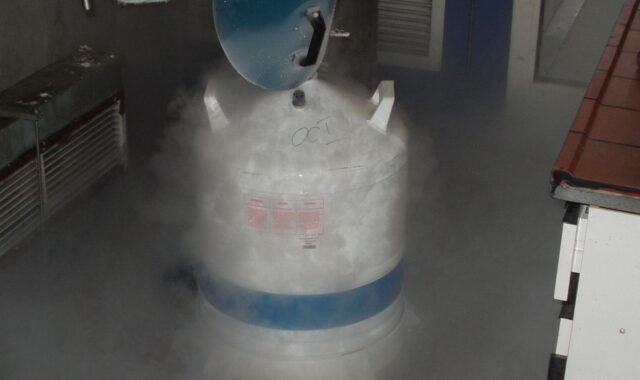
| Cryogenic work | Cold burns and splash exposure | Insulated cryogenic gloves appropriate to the container and splash risk | Using ordinary nitrile or latex gloves for liquid nitrogen handling |
| Hot glassware or ovens | Thermal burns | Heat-rated gloves or mitts matched to temperature and grip needs | Using chemically resistant gloves as heat protection |
| Broken glass or blades | Cuts and punctures | Cut-resistant gloves with suitable dexterity and contamination controls | Expecting disposable gloves to stop sharp edges |
Understand what common glove materials can and cannot do
Nitrile is widely used because it offers good puncture resistance compared with many thin disposable materials, is generally free of natural rubber latex proteins, and performs well in many routine laboratory tasks. However, nitrile performance varies by formulation, thickness, and chemical. A disposable nitrile exam glove should not automatically be selected for aggressive solvents, highly toxic chemicals, or long contact times.
Latex can provide flexibility and tactile sensitivity, but natural rubber latex may cause allergic reactions in some users. It also has chemical limitations and should not be chosen simply because it is comfortable. Vinyl gloves are generally less elastic and often less protective for demanding laboratory work; they may be appropriate for low-risk, nonhazardous tasks, but they are usually not the first choice for chemical protection.
Neoprene, also called chloroprene in some product literature, is used where a broader chemical resistance profile or a thicker reusable glove is needed. Butyl rubber is often considered for certain gases and polar chemicals, while fluoroelastomer gloves are used for some aggressive organic chemicals. Polyvinyl alcohol can resist many organic solvents but is sensitive to water, including moisture from the environment or perspiration, so it is not a general-purpose lab glove. PVC may be useful for some acids, bases, and oils but has limitations with many solvents.
The practical point is that glove material names are not enough. Thickness, formulation, manufacturing quality, glove length, test method, and the specific chemical all matter. Two gloves labeled nitrile can perform differently against the same solvent.
How to read chemical compatibility information
Compatibility charts are useful, but they are starting points rather than final answers. The most reliable data come from the glove manufacturer for a specific glove model tested against a specific chemical or mixture. If the procedure involves a mixture, elevated temperature, pressure, abrasion, or long contact time, the data may be less directly applicable.
Breakthrough time is often misunderstood. It is not a promise that the glove is completely safe until the stated minute. It is a laboratory test result under specified conditions, usually with continuous contact. Real laboratory use may involve stretching, flexing, contamination on the cuff, contact with multiple chemicals, or glove damage from glassware and tools. A conservative glove change schedule should account for these differences.
Permeation rate also matters. A glove may show a measurable breakthrough time, but once breakthrough occurs, the amount moving through the glove can vary greatly. Degradation observations are equally important. If a glove becomes sticky, brittle, swollen, discolored, stiff, or easier to tear, it should be removed using proper doffing technique and replaced. For high-hazard chemicals, the decision should involve the laboratory supervisor, institutional safety personnel, or an industrial hygienist.
Disposable gloves, reusable gloves, and double gloving
Disposable gloves are designed for single use. In biological laboratories, CDC and NIH biosafety guidance states that gloves should be changed when contaminated, when integrity is compromised, or when otherwise necessary, and disposable gloves should not be washed or reused. Washing can create a false sense of cleanliness while damaging the material or spreading contamination.
Reusable chemically resistant gloves can provide greater thickness, longer cuffs, and improved resistance for certain hazards. They also require a management system. Labs need to know who uses them, how they are inspected, how contamination is removed if reuse is allowed, where they are stored, when they are discarded, and which chemicals they are reserved for. A reusable glove that has absorbed or retained hazardous material may become a secondary exposure source. See also: analytical methods.
Double gloving can improve contamination control and make doffing safer in some biological or chemical procedures, especially when the outer glove can be removed after a dirty step before clean items are handled. It does not automatically solve chemical compatibility problems. If both layers are made from a material that is poorly resistant to the chemical, double gloving may add only limited time. In some cases, two different compatible glove materials may be considered, but that decision should be based on manufacturer data and the risk assessment.
Use practices that determine whether gloves actually protect
Even a well-selected glove can fail when it is used poorly. Before work begins, inspect gloves for tears, pinholes, discoloration, stiffness, swelling, or surface defects. Make sure the cuff overlaps the lab coat sleeve when splash is possible. If the glove is too short, too loose, or too tight, it may expose skin or tear during use.
During work, avoid touching door handles, phones, keyboards, notebooks, eyewear, water bottles, and shared instruments with contaminated gloves. This is not only a hygiene issue; it also prevents hazardous material from being transferred to surfaces that may later be touched with bare hands. Laboratories should define clean and dirty zones and provide a practical way to remove gloves before leaving the work area.
Gloves should be removed carefully to avoid skin contact with the contaminated outside surface. After removal, wash hands. For biological laboratories, handwashing after glove removal and before leaving the laboratory is a core biosafety practice. For chemical laboratories, handwashing also reduces the chance that unnoticed contamination remains on the skin.
Do not wear gloves where they create a new hazard. Loose gloves or highly grippy gloves can increase entanglement risk around rotating equipment. Glove use around drills, mixers, lathes, and similar equipment should be governed by a documented procedure that weighs chemical or biological protection against mechanical entanglement hazards.
A practical glove selection workflow for laboratories
- Identify the hazard. List the chemicals, biological materials, temperatures, sharps, glassware, and equipment involved.
- Define the exposure. Decide whether contact is unlikely, incidental splash, repeated splash, immersion, aerosol contamination, hot contact, cold contact, or mechanical contact.
- Check source documents. Review the safety data sheet, institutional SOP, biosafety protocol, and manufacturer glove compatibility data for the exact glove model where possible.
- Choose glove type and length. Select disposable or reusable gloves, cuff length, thickness, texture, and any cut, thermal, or cryogenic rating needed.
- Set a change-out rule. Decide when gloves must be changed by time, task step, contamination event, visible damage, or movement from dirty to clean work.
- Train users. Cover inspection, donning, doffing, disposal, handwashing, and the limits of the selected glove.
- Review after changes. Reassess gloves when a chemical, concentration, procedure, supplier, glove model, or exposure duration changes.
This workflow treats gloves as part of a risk-control system rather than as a generic supply item. It also helps procurement teams avoid substituting a similar-looking glove that has not been evaluated for the same hazards.
Frequently asked questions
Are nitrile gloves enough for most laboratory chemicals?
Nitrile gloves are common and useful for many routine laboratory tasks, but they are not enough for every chemical or contact time. Always check the safety data sheet, glove manufacturer compatibility data, and local procedure. Thin disposable nitrile gloves are especially limited for extended solvent contact and highly hazardous chemicals.
How often should laboratory gloves be changed?
Gloves should be changed when contaminated, torn, punctured, degraded, or after completing a dirty step before touching clean surfaces. For chemical work, the change interval should also consider breakthrough data, contact time, and task conditions. For biological work, disposable gloves should not be washed or reused.
Can one glove protect against chemicals, cuts, and heat at the same time?
Some specialized gloves provide combined protection, but no single glove is ideal for all hazards. A chemically resistant glove may have poor cut resistance, while a cut-resistant glove may absorb liquid contamination. When multiple hazards are present, the procedure may require layered controls, tool changes, shielding, or task separation.
What does ANSI/ISEA 105-2024 mean for lab gloves?
ANSI/ISEA 105-2024 is a hand and arm protection classification standard that helps communicate performance levels for hazards such as cut, abrasion, puncture, chemical, heat, and flame exposure. It is especially relevant when laboratories select gloves for glass handling, blades, animal work, maintenance tasks, or other mechanical hazards.
Should gloves be worn outside the laboratory?
In general, contaminated gloves should not be worn outside the laboratory or designated work area. Wearing gloves in hallways, offices, elevators, or common areas can spread contamination and create a false sense of safety. Labs should provide clear doffing, disposal, and handwashing points before exit.