Instrumentation in laboratory workflows for reliable measurement and data quality
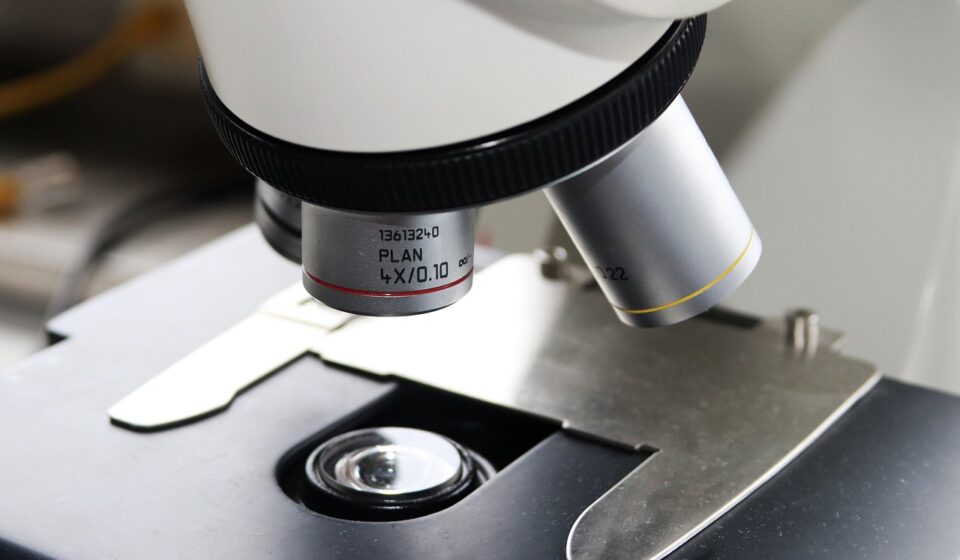
In a laboratory, instrumentation is the working measurement system: instruments, sensors, software, calibration routines, operating procedures, and trained users all contribute to the final result. The instrument itself is only one part of the chain. A balance, pH meter, centrifuge, spectrophotometer, incubator, chromatograph, or data logger produces useful results only when it is selected for the method, installed correctly, qualified where required, maintained, calibrated, and used under documented conditions. For laboratories in quality control, research, diagnostics, environmental testing, materials analysis, or teaching, the goal is consistent: reduce measurement uncertainty and produce results that can be interpreted, repeated, and defended.
What instrumentation means in a laboratory setting
Laboratory instrumentation refers to the tools and systems used to observe, prepare, measure, control, record, and analyze scientific variables. The term covers simple bench instruments, such as thermometers and balances, as well as integrated analytical platforms, including high-performance liquid chromatography systems, mass spectrometers, automated analyzers, and environmental monitoring systems.
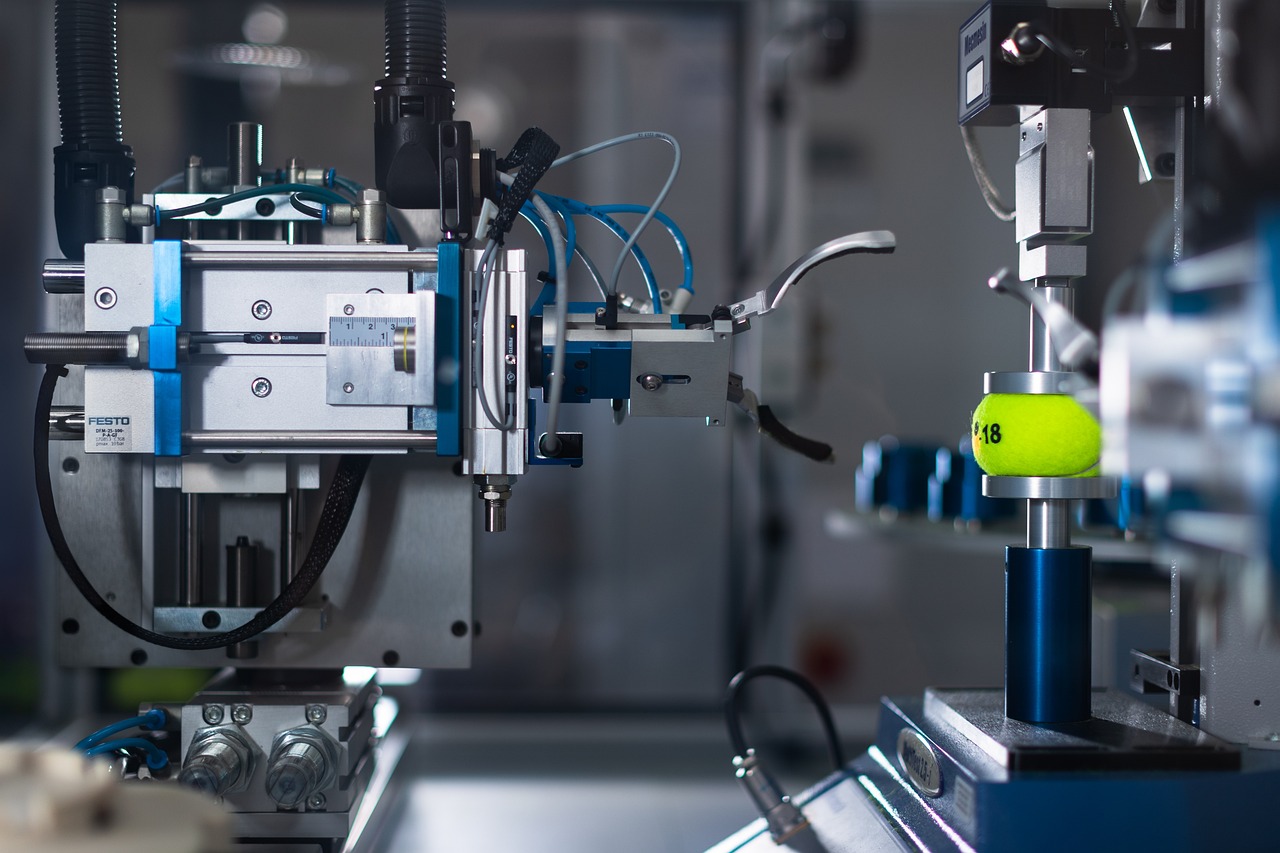
A practical way to view laboratory instrumentation is to divide it into four connected functions:
- Sample preparation: instruments such as centrifuges, vortex mixers, homogenizers, water purification systems, pipettes, and digestion blocks prepare the sample before measurement.
- Measurement and analysis: balances, pH meters, spectrophotometers, microscopes, chromatographs, particle counters, and thermal analyzers generate the primary result.
- Environmental and process control: incubators, ovens, refrigerators, freezers, biosafety cabinets, fume hoods, cleanroom monitors, and gas systems maintain controlled conditions.
- Data capture and management: instrument software, laboratory information management systems, audit trails, electronic records, and data review workflows help preserve the meaning and integrity of results.
This broader view matters because many laboratory errors do not start with a failed analytical instrument. They can come from poor sample handling, uncontrolled temperature, unverified software settings, weak documentation, unsuitable accessories, or unclear responsibility for maintenance and review.
Core categories of laboratory instruments
Every laboratory has its own instrument mix, but most laboratory instrumentation falls into several recurring categories. These categories help teams plan purchases, training, maintenance, and risk controls with fewer gaps.
Basic measuring instruments
Balances, thermometers, timers, pipettes, conductivity meters, dissolved oxygen meters, and pH meters are often treated as routine tools. In practice, they can affect almost every downstream result. A poorly calibrated pipette or balance can compromise an analytical sequence before the sample reaches a more expensive instrument. For that reason, basic instruments need defined acceptance limits, calibration intervals, labeling, and records of service or verification.
Optical and spectroscopic instruments
Spectrophotometers, fluorescence readers, infrared spectrometers, atomic absorption systems, and microscopy platforms use light interaction to identify, quantify, or visualize materials. These systems often require attention to wavelength accuracy, lamp condition, baseline performance, cuvette or optical path quality, and software processing settings. In teaching and research laboratories, optical systems are also valuable because they make chemical or biological changes that are not visible to the eye measurable.
Separation and analytical systems
Chromatography and electrophoresis instruments separate complex mixtures so that components can be identified or quantified. Gas chromatography, liquid chromatography, ion chromatography, and capillary electrophoresis all depend on controlled flow, temperature, detector response, column condition, solvent quality, and method parameters. These systems usually need more structured maintenance than simple bench tools because small leaks, blocked filters, degraded columns, or unsuitable mobile phases can distort results.
Controlled-environment instruments
Incubators, stability chambers, ovens, refrigerators, freezers, water baths, and cleanroom monitoring devices create or track defined environmental conditions. Their output may not look like a direct analytical result, yet they can strongly influence sample stability, biological growth, reagent quality, and test validity. Temperature mapping, alarm review, probe placement, and documented corrective actions are common controls for these instruments.
Safety and containment equipment
Fume hoods, biosafety cabinets, glove boxes, gas detection systems, emergency showers, and autoclaves support safe laboratory work. They should not be managed as ordinary furniture. Airflow, containment performance, sterilization cycles, filter condition, pressure relationships, and user technique all affect safety. Standards and guidance from recognized organizations such as ISO, NSF, OSHA, CDC, and national metrology institutes are commonly used when laboratories define performance checks and operating controls.
How to select instrumentation for laboratory use
Instrument selection should start with the measurement need, not the product brochure. A laboratory first needs to define what must be measured, the required sensitivity, the sample type, the expected workload, the regulatory or quality framework, the available space and utilities, and the skills of the users. Cost, brand, model, automation level, and software features can then be evaluated against the actual application.
Key selection criteria include:
- Fitness for method: the instrument must support the required range, resolution, detection limit, sample matrix, throughput, and accessories.
- Accuracy and uncertainty: expected performance should match the decision the laboratory will make from the result.
- Traceability: calibration materials, reference standards, and service documentation should support traceable measurement where required.
- Usability: complex systems may increase capability, but they also require stronger training, maintenance, and review procedures.
- Software and data controls: user access, audit trails, backup, version control, and export formats matter when results must be reviewed or retained.
- Lifecycle cost: consumables, service contracts, spare parts, qualification work, utilities, downtime, and staff time can exceed the purchase price over the instrument’s life.
- Safety and facility fit: power, ventilation, gases, drainage, vibration, electromagnetic interference, humidity, heat output, and bench loading should be checked before installation.
For regulated or accredited laboratories, selection also needs to fit the laboratory’s quality system. ISO/IEC 17025, for example, is widely used by testing and calibration laboratories and places strong emphasis on equipment suitability, calibration, metrological traceability, records, and technical competence. Pharmaceutical laboratories often refer to analytical instrument qualification concepts described in USP General Chapter <1058>. These frameworks do not replace scientific judgment, but they help laboratories document why an instrument is fit for its intended use.
Calibration, qualification, and verification are not the same
Calibration, qualification, and verification are often used interchangeably in casual conversation, but they answer different questions in laboratory instrumentation management.
| Activity | Main purpose | Typical output |
|---|---|---|
| Calibration | Compares an instrument or standard with a traceable reference under defined conditions | Calibration certificate, correction data, uncertainty information, pass or fail decision if criteria are applied |
| Verification | Confirms that the instrument meets specified requirements for a defined use | Check record, acceptance result, adjustment or corrective action if needed |
| Qualification | Documents that an instrument is installed, operates, and performs as intended | Installation, operational, and performance qualification records where applicable |
| Maintenance | Preserves the instrument’s condition and reduces failure risk | Service logs, replacement records, cleaning records, preventive maintenance reports |
A pH meter shows the difference clearly. Calibration may involve standard buffer solutions at defined pH values. Verification may involve checking a separate buffer or control sample to confirm acceptable response before use. Maintenance may involve cleaning or replacing the electrode. Qualification may be required if the meter is part of a controlled analytical process in a regulated environment. Each activity has a different purpose, and a strong laboratory program defines all of them clearly.
Data integrity and software controls in modern instruments
Laboratory instruments increasingly rely on embedded software, network connections, electronic signatures, user permissions, and automated calculations. These functions improve efficiency, but they also add risk. A result printed from an instrument may not be the complete record if raw data, processing methods, metadata, audit trails, and system settings are stored electronically.
Good data practices begin with practical questions. Who can change a method? Who can delete or overwrite data? Is the instrument clock controlled? Are audit trails enabled and reviewed? Are results backed up? Can a reviewer reconstruct how a final value was obtained? Are manual integrations, reprocessing steps, and rejected runs documented?
Regulated laboratories often consider principles associated with electronic records and electronic signatures, including access control, audit trails, record retention, and review. Even outside formal regulatory settings, these controls reduce ambiguity. A laboratory that cannot reconstruct an analytical result may struggle to defend the result, repeat the work, or identify the cause of a failure.
Common risks that reduce measurement reliability
Many instrumentation problems are predictable. Laboratories can reduce risk by identifying weak points before they affect samples, customers, research conclusions, or compliance decisions.
- Unclear intended use: an instrument may be technically capable but unsuitable for a specific matrix, detection limit, or workload.
- Poor installation conditions: vibration, unstable temperature, weak ventilation, incorrect gases, or inadequate power can affect performance.
- Expired or unsuitable standards: calibration and verification are only as reliable as the reference materials used.
- Inconsistent user technique: pipetting, weighing, sample loading, cleaning, and method setup can vary significantly among users.
- Deferred maintenance: blocked filters, worn seals, dirty optics, failing lamps, aged electrodes, and contaminated tubing often cause gradual performance drift.
- Weak change control: software updates, method edits, accessory changes, and repairs can alter performance if they are not evaluated.
- Incomplete records: missing calibration, service, training, or deviation records make it difficult to prove that results were generated under controlled conditions.
A practical risk-based approach does not treat every instrument the same. A timer used for general teaching demonstrations does not require the same controls as a balance used to prepare certified reference solutions. Criticality should reflect the instrument’s effect on data quality, safety, regulatory decisions, and sample value.
Building a practical instrumentation lifecycle program
Laboratory instrumentation should be managed across its lifecycle, from planning to retirement. This is more effective than reacting only when an instrument fails.
- Define the need: document the intended use, sample types, performance expectations, operating environment, and data requirements.
- Evaluate options: compare technical capability, support, consumables, software controls, service access, and total cost of ownership.
- Prepare the site: confirm utilities, environmental conditions, safety controls, network needs, bench space, and waste handling.
- Install and document: retain installation records, manuals, configuration details, asset numbers, and acceptance checks.
- Train users: cover routine operation, limitations, cleaning, troubleshooting, safety, and documentation expectations.
- Control routine use: use standard operating procedures, logbooks or electronic records, calibration schedules, verification checks, and maintenance plans.
- Review performance: monitor failures, deviations, control results, service history, downtime, and user feedback.
- Retire responsibly: remove instruments that can no longer meet requirements, preserve records, manage data, and handle hazardous components appropriately.
The most useful instrumentation programs are proportionate. They focus effort where failure would have meaningful consequences and avoid unnecessary paperwork for low-risk tools. This balance protects both scientific quality and laboratory productivity.
Frequently asked questions
What is the difference between laboratory equipment and laboratory instrumentation?
Laboratory equipment is a broad term for tools, furniture, devices, and systems used in a lab. Laboratory instrumentation usually refers more specifically to devices and systems that measure, control, record, or analyze scientific variables. In practice, the terms overlap, but instrumentation places more emphasis on measurement function, data quality, and control.
Which laboratory instruments need calibration?
Any instrument that influences a reported result, acceptance decision, safety control, or regulated process may need calibration or verification. Common examples include balances, pipettes, thermometers, pressure gauges, pH meters, conductivity meters, flow meters, and analytical detectors. The interval should be based on risk, manufacturer guidance, historical performance, required accuracy, and the laboratory’s quality system.
Why is instrument qualification important?
Instrument qualification provides documented evidence that an instrument is suitable for its intended use. It is especially important when results support regulated decisions, customer specifications, product release, environmental reporting, or accredited testing. Qualification helps connect the instrument’s design, installation, operation, and performance to the laboratory’s actual method requirements.
How can a laboratory improve instrumentation reliability without replacing equipment?
Many improvements do not require new instruments. Laboratories can update procedures, improve user training, define acceptance checks, review maintenance history, control environmental conditions, clean instruments consistently, verify reference materials, and strengthen data review. These actions often show whether the real issue is instrument capability, method design, sample handling, or routine practice.
What should be included in an instrument log?
An instrument log should record the asset identity, user, date, method or purpose, key checks, maintenance, calibration or verification status, problems observed, corrective actions, and service events. For computerized systems, electronic records and audit trails may provide part of this history, but laboratories still need a clear way to review the complete instrument record.
Conclusion
Instrumentation in laboratory environments is not just a collection of devices. It is a controlled measurement system that connects sample preparation, instrument performance, environmental conditions, software, people, records, and review. Reliable laboratories select instruments according to intended use, verify and maintain them through a defined lifecycle, and protect the data they generate. When these elements work together, instrumentation becomes the foundation for trustworthy laboratory decisions.